
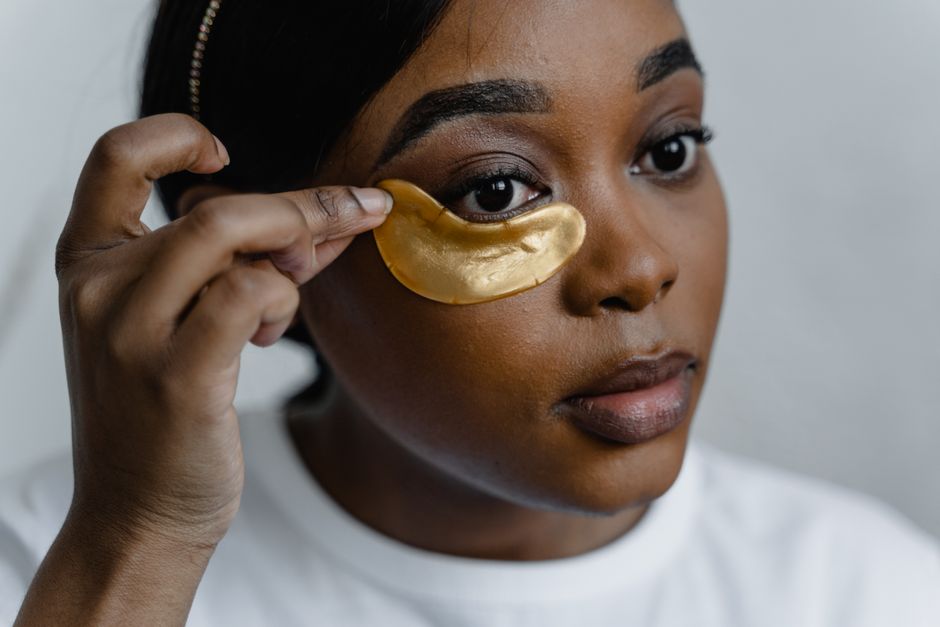
Dark patches on the skin usually come from one of a few well-understood processes: extra melanin being produced in one area, blood or pigment settling under the skin after injury, or a change in skin thickness and texture. The most common cause by far is melasma or another form of hyperpigmentation, where melanocytes — the cells that make skin color — become overactive in a specific spot. Less often, dark patches signal an underlying condition such as diabetes, adrenal problems, or a reaction to a medication.
Figuring out which one applies to you starts with three questions: where the patches are, how they appeared, and whether anything else changed at the same time. The answers narrow the list quickly.
What Actually Causes Skin To Darken In Patches?
Skin color comes from melanin, a pigment produced by melanocytes in the deepest layer of the epidermis. When those cells produce more melanin in one area than another, the result is a visible dark patch. That overproduction can be triggered by several distinct mechanisms.
Melanocyte stimulation. Ultraviolet light, hormones, and inflammation can all push melanocytes into higher output. This is the mechanism behind melasma, sun-induced pigmentation, and the darkening that follows acne or eczema.
Post-inflammatory pigment change. After any injury to the skin — a pimple, a burn, a scrape, a chemical peel — melanocytes in the healing area can deposit extra pigment. This is called post-inflammatory hyperpigmentation. It is more common and more persistent in people with darker skin tones.
Pigment from outside the melanocyte. Not all dark patches are melanin. Blood breakdown products after bruising can leave brown or rust-colored staining. Certain metals and medications can also deposit pigment in the skin.
Thickened skin. In some conditions, the skin itself thickens and the normal folds become more visible and darker. This is a structural change, not just a pigment change.
Each of these has different causes and different implications. The rest of this article walks through the specific conditions behind each one.
Why Do I Have Dark Patches On My Skin — Is It Melasma?
Melasma is one of the most common causes of dark patches on the face, and it has a distinctive pattern. It typically appears as symmetric, blotchy brown or gray-brown patches on the cheeks, upper lip, forehead, or jawline. The borders are usually irregular and the pigment sits in the upper layers of skin.
Melasma is strongly linked to two things: ultraviolet exposure and hormonal shifts. It is far more common in women than men, and it often appears or worsens during pregnancy, while taking hormonal contraceptives, or during hormone replacement therapy. Some research suggests that visible light — not just UV — can also trigger or worsen melasma, which is why broad-spectrum sun protection that includes visible light blockers is sometimes recommended.
Melasma is not dangerous and does not become skin cancer. It is, however, stubborn. It tends to fade slowly when triggers are removed and often returns with sun exposure. That pattern — better in winter, worse in summer — is a useful clue.
Could It Be Post-Inflammatory Hyperpigmentation?
If the dark patches appeared after acne, a cut, a burn, an insect bite, or any other injury to the skin, post-inflammatory hyperpigmentation is the likely cause. The pigment marks the spot where inflammation or healing occurred.
This type of pigmentation is extremely common and can affect any skin tone, though it is more pronounced and longer-lasting in people with medium to dark skin. The patches can be brown, red-brown, or even gray. They usually fade over months, but can take a year or longer, and sun exposure slows the fading considerably.
One point worth clarifying: post-inflammatory hyperpigmentation is not a scar in the usual sense. The skin texture is normal — only the color is changed. That distinguishes it from true scarring, which alters the surface.
When Do Dark Patches Point To An Underlying Condition?
Most dark patches are harmless pigment changes. A smaller number are the visible sign of something happening inside the body. These are the ones worth knowing about.
Acanthosis nigricans. This appears as velvety, thickened, darker skin in body folds — the back of the neck, armpits, groin, and sometimes under the breasts. It is strongly associated with insulin resistance, type 2 diabetes, and obesity. It can also occur with certain medications and, rarely, with some cancers. When it appears suddenly in a person without other risk factors, it warrants medical evaluation.
Addison’s disease. In adrenal insufficiency, the skin can darken in a diffuse pattern, especially in areas exposed to friction or pressure — knuckles, elbows, knees, gums, and inside the mouth. This is caused by elevated ACTH, a hormone that also stimulates melanocytes. It is uncommon but important because it is treatable.
Hemochromatosis. Iron overload can cause a generalized bronze or gray-brown darkening of the skin, often described as a “bronze” appearance. It usually comes with other symptoms such as fatigue and joint pain.
Medication-related pigmentation. Some drugs can cause pigment changes, including certain antibiotics, antimalarials, chemotherapy agents, and hormones. The pattern varies by drug.
These conditions are much less common than melasma or post-inflammatory hyperpigmentation. But if dark patches come with fatigue, weight change, thirst, frequent urination, or other unexplained symptoms, they deserve a medical workup rather than a cosmetic approach.
What About Dark Patches On The Body Instead Of The Face?
Location matters. Dark patches on the face most often point to melasma or sun-related pigmentation. Dark patches on the body tell a different story.
Patches in skin folds — neck, armpits, groin — raise the possibility of acanthosis nigricans and its link to insulin resistance. Patches on the shins or lower legs can follow vein problems or old injuries. Patches on the back or chest that follow a line are sometimes related to a nerve pathway and warrant a closer look.
Dark patches on the palms, soles, or mucous membranes are less common and should be evaluated by a clinician, because pigmentation in those areas can occasionally signal a systemic issue.
Age also changes the picture. Sun-related pigmentation tends to accumulate over decades, so adults in their 40s and 50s often notice new patches that reflect years of cumulative UV exposure rather than anything new happening in the body.
What Makes Dark Patches Worse?
Sun exposure is the single biggest factor that keeps pigmentation going. UV light directly stimulates melanocytes and can undo months of fading in a single day of unprotected exposure.
Other aggravating factors include:
- Heat and visible light, which some research links to melasma flares
- Hormonal shifts, including pregnancy and hormonal contraception
- Ongoing inflammation, such as active acne or eczema
- Picking or scratching at the skin, which can deepen post-inflammatory pigment
- Certain medications, which can cause or worsen pigmentation
- Friction in skin folds, which can worsen acanthosis nigricans
Removing a trigger does not always erase existing pigment. It usually stops new pigment from forming and allows the skin’s natural turnover to slowly lighten what is already there.
When Should You See A Doctor About Dark Patches?
Most dark patches are benign and can be managed with sun protection and time. Some warrant a professional evaluation.
See a clinician if a dark patch is new, changing in size, shape, or color, or has an irregular border. See one if the patch is accompanied by other symptoms — fatigue, weight loss or gain, increased thirst, frequent urination, or joint pain. See one if the pigmentation appears suddenly, spreads quickly, or involves the mouth, palms, or soles.
Also see a clinician if you have tried consistent sun protection and standard over-the-counter lightening approaches for several months without any change. A diagnosis matters because the treatment differs depending on the cause. Melasma, post-inflammatory hyperpigmentation, and acanthosis nigricans do not respond to the same approaches.
One caution: skin lightening products sold without regulation have, in some cases, contained mercury, high-potency steroids, or other harmful ingredients. These can cause real harm. This is one area where the source of a product matters as much as the product itself.
What Actually Helps Dark Patches Fade?
Sun protection is the foundation, and it is the one step with consistent evidence behind it. Without it, other measures tend to fail. For melasma specifically, some clinicians recommend tinted sunscreens that block visible light in addition to UV, based on evidence that visible light can worsen the condition.
Prescription treatments for pigment disorders include hydroquinone, tretinoin, and certain combination creams. These are effective for some types of pigmentation and not others, and they require medical supervision because of side effects and the risk of worsening pigmentation with improper use.
Procedures such as chemical peels and laser therapy are used for some pigment conditions. Results vary widely by skin type and by the specific diagnosis. In darker skin tones, some laser settings can paradoxically worsen pigmentation, which is why procedure choice matters and why a clinician experienced with your skin type should be involved.
For acanthosis nigricans, the most effective approach is usually treating the underlying insulin resistance through weight management and, when appropriate, medication. The skin changes often improve when the metabolic issue improves. This is a case where the skin is a signal, not the problem itself.
Frequently Asked Questions
Are dark patches on skin a sign of something serious?
Most dark patches are harmless pigment changes such as melasma or post-inflammatory hyperpigmentation. However, velvety patches in skin folds can signal insulin resistance, and sudden widespread darkening can indicate an adrenal or metabolic condition, so new or unusual patches should be evaluated.
What causes dark patches on the face?
Melasma is the most common cause of facial dark patches, and it is driven by sun exposure and hormonal shifts. Sun-related pigmentation and post-inflammatory marks from acne are the other frequent causes.
Do dark patches go away on their own?
Post-inflammatory hyperpigmentation often fades over months to a year, especially with consistent sun protection. Melasma tends to persist and return with sun exposure, and acanthosis nigricans usually improves only when the underlying metabolic issue is addressed.
Can dark patches be caused by a vitamin deficiency?
Vitamin deficiencies are not a common cause of localized dark patches. A notable exception is vitamin B12 deficiency, which can cause increased pigmentation in some people, but this is uncommon and usually accompanied by other symptoms.
