
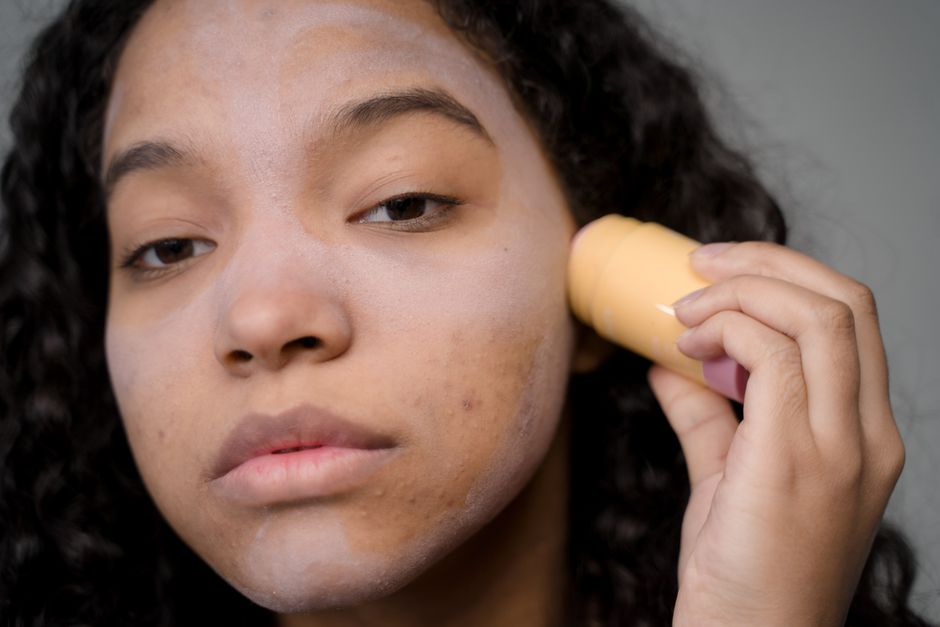
Cheek acne often comes from two main sources: what touches your skin and what happens inside your body. Cell phones, pillowcases, and makeup brushes transfer bacteria and oil directly to your cheeks. Hormonal shifts also play a big role, especially for adults — research shows that acne affects 50% of women in their 20s and 25% of women in their 40s. The fix depends on finding your specific trigger, which means looking at both your habits and your hormones.
What Causes Cheek Acne in Adults?
Adult cheek acne is different from teenage acne in one key way: it tends to be deeper and more inflamed. The American Academy of Dermatology notes that adult acne often appears along the jawline and lower cheeks, which is a classic sign of hormonal influence. But hormones are not the only factor.
Physical contact is a major cause. Your phone screen presses bacteria and oil into your cheek pores every time you take a call. Your pillowcase collects dead skin cells and product residue overnight — changing it every three days can noticeably reduce breakouts for some people. Makeup brushes that are not washed weekly can also reintroduce bacteria to clean skin.
There is also a less obvious cause: hair products. Gels, sprays, and dry shampoos often contain oils and silicones that migrate onto your cheeks while you sleep. This is called “pomade acne” and dermatologists see it frequently in adults who use styling products.
Does Your Diet Actually Cause Cheek Acne?
The diet-acne link is real but often overstated. Research published in the Journal of the American Academy of Dermatology found a clear connection between high glycemic foods and acne breakouts. White bread, sugary cereals, and soda spike blood sugar, which triggers insulin and inflammation that can worsen acne.
Dairy is more complicated. Some studies suggest skim milk is more likely to cause breakouts than whole milk, possibly because of hormonal additives. But the evidence is not strong enough to tell everyone to cut dairy. If you suspect dairy is a trigger, the only way to know is to remove it completely for three weeks and track your skin.
Chocolate gets blamed often, but controlled studies have not found a consistent link. One small study found that men who ate 100% cocoa chocolate had more breakouts, but the effect was minor. Eating a balanced diet with low sugar intake is a reasonable step. Expecting clear skin from diet alone is not realistic for most people.
How Hormones Affect Cheek Acne Differently
Hormonal acne follows a pattern. Breakouts appear a week before your period and cluster on the lower cheeks, jawline, and chin. This happens because estrogen drops and testosterone becomes relatively higher, which increases oil production. The oil then clogs pores and feeds acne bacteria.
Polycystic ovary syndrome (PCOS) is a common underlying cause for persistent cheek acne in women. The CDC estimates that 6 to 12 percent of women of reproductive age have PCOS. Other signs include irregular periods, excess facial hair, and thinning scalp hair. If you have these symptoms alongside cheek acne, it is worth discussing with a doctor.
Stress also raises cortisol levels, which can increase oil production. This is a real effect, not just something people say. A 2017 study in Clinical, Cosmetic and Investigational Dermatology found that medical students had more acne during exam periods when stress was highest. Managing stress through sleep and exercise may help, but it is not a cure for hormonal acne.
What Actually Works for Cheek Acne Based on Evidence
Over-the-counter treatments work well for mild to moderate cheek acne. The most effective ingredient is benzoyl peroxide, which kills acne bacteria and clears pores. Research shows that 2.5% benzoyl peroxide is just as effective as 10% but causes less irritation. Start with the lower strength.
Salicylic acid helps by exfoliating inside the pore. It works best for blackheads and whiteheads, not for deep cystic bumps. Adapalene gel (brand name Differin) is now available without a prescription and has strong evidence from clinical trials. It works like a retinoid to normalize skin cell turnover and prevent clogged pores. It takes 8 to 12 weeks to see full results.
For hormonal acne, these topical treatments often are not enough. Many women need a prescription treatment that addresses the root cause. Options include:
- Spironolactone — a pill that blocks androgen hormones. Studies show it reduces acne by 50 to 85 percent in women after three months.
- Combined oral contraceptives — birth control pills that regulate hormones. The FDA has approved several brands specifically for acne treatment.
- Clindamycin or dapsone gel — prescription topical antibiotics that reduce inflammation and bacteria.
A dermatologist can help decide which option fits your situation. Self-treating hormonal acne with harsh topicals often makes it worse by damaging the skin barrier.
Why Do I Have Cheek Acne Causes And Fixes: The Role of Your Environment
Your environment affects your cheeks more than you might think. Face masks worn during illness or work have created a specific pattern of acne called “maskne.” The friction and trapped moisture break down the skin barrier and allow bacteria to thrive. The fix is to wear a clean mask daily and use a gentle cleanser after removing it.
Air pollution also contributes. A 2019 study in the Journal of Investigative Dermatology found that people in highly polluted areas had more acne than those in cleaner environments. Pollution particles stick to the skin and cause inflammation. Washing your face at the end of the day removes these particles before they can cause trouble.
Humidity and sweat are another factor. If you exercise and do not wash your face within an hour, the sweat mixes with oil and clogs pores. This is especially true for cheek acne because sweat drips down from the forehead and collects on the cheeks. A quick rinse with water after a workout can make a difference.
Comparing Common Acne Treatments for Cheek Acne
Different treatments work for different types of cheek acne. The table below shows what the evidence supports for each category.
| Treatment Type | Best For | Time to Results | Evidence Strength |
|---|---|---|---|
| Benzoyl peroxide | Inflamed pimples, pustules | 4-6 weeks | Strong — multiple clinical trials |
| Salicylic acid | Blackheads, whiteheads | 6-8 weeks | Moderate — effective for comedonal acne |
| Adapalene (Differin) | Clogged pores, mild acne | 8-12 weeks | Strong — FDA-approved, many studies |
| Spironolactone | Hormonal acne in women | 3 months | Strong — high success rate in women |
| Oral contraceptives | Hormonal acne | 3-6 months | Strong — FDA-approved for acne |
| Chemical peels | Mild to moderate acne | Multiple sessions | Moderate — helpful as add-on therapy |
Notice that none of these treatments work overnight. Acne treatment requires consistency for at least two months before you can judge whether something works. Switching products every two weeks because you see no change is a common mistake that prevents results.
What to Avoid When You Have Cheek Acne
Some common habits make cheek acne worse. Touching your face during the day transfers bacteria from your hands to your cheeks. A study found that people touch their face an average of 23 times per hour. Most of these touches are unconscious. Being aware of the habit can help reduce it.
Over-washing your face is another mistake. Washing more than twice a day strips the skin of protective oils, which causes your skin to produce even more oil to compensate. Use a gentle cleanser morning and night. Harsh scrubs and alcohol-based toners damage the skin barrier and increase inflammation.
Popping pimples on your cheeks is particularly risky. The cheek area has a rich blood supply, and popping can push bacteria deeper into the skin. This often turns a small pimple into a larger cyst that takes weeks to heal and may leave a scar. Let acne heal on its own or use a spot treatment with benzoyl peroxide.
Frequently Asked Questions
Can cheek acne be caused by stress?
Yes, stress raises cortisol levels which increases oil production and can trigger or worsen cheek acne, especially in adults.
How long does it take for acne treatments to work?
Most treatments take 8 to 12 weeks of consistent use before you see noticeable improvement in cheek acne.
Is cheek acne always hormonal?
No, cheek acne can also come from physical contact like phones and pillowcases, or from hair and makeup products.
Should I see a dermatologist for cheek acne?
If over-the-counter treatments do not improve your acne after three months, or if you have deep painful cysts, a dermatologist can help.
