
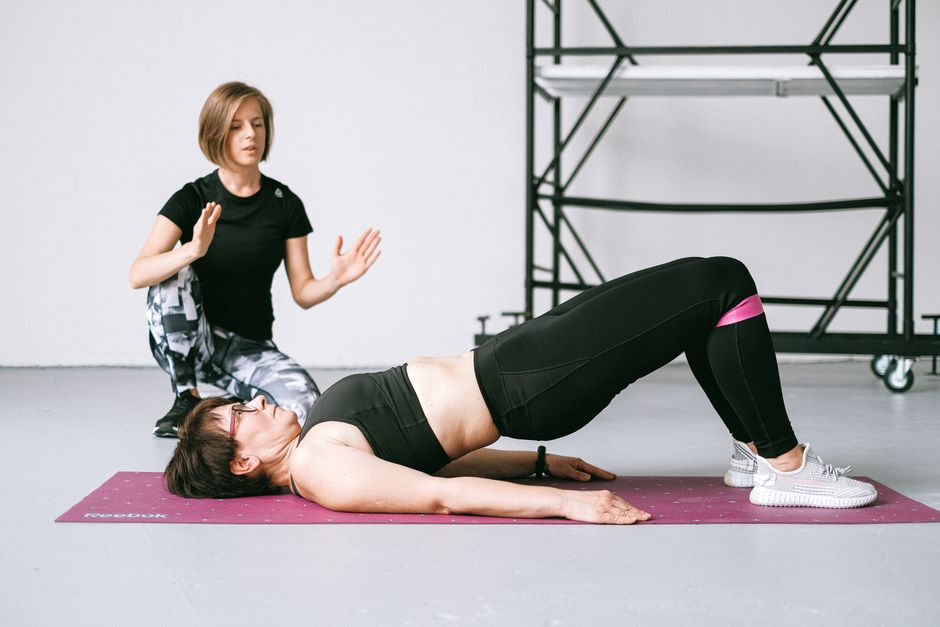
A weak pelvic floor usually comes down to one of a few things: pregnancy and childbirth, long-term pressure inside the abdomen, aging and hormone changes, surgery in the pelvic area, or genetics and connective tissue. Often it is more than one of these working together. The pelvic floor is a hammock-like group of muscles and connective tissue that supports the bladder, uterus, and rectum. When those muscles and tissues lose strength, stretch, or get damaged, the support system weakens.
Why Do I Have A Weak Pelvic Floor Key Causes?
The pelvic floor has to do two opposite jobs at once. It must stay firm enough to hold organs up and keep urine and stool in. It also has to relax on command to let those same functions happen. Damage or strain in either direction can cause weakness.
Childbirth is the most studied cause. Vaginal delivery stretches and sometimes tears the muscles and connective tissue of the pelvic floor. Research using imaging has shown that these injuries are common, though many people recover well. Forceps-assisted delivery and longer pushing stages are linked to higher rates of pelvic floor muscle injury. Cesarean delivery lowers but does not remove the risk, because pregnancy itself puts months of downward pressure on the pelvic floor.
Pressure that builds up over years is the second major cause. Chronic constipation, heavy lifting, and a long-standing cough all push downward on the pelvic floor repeatedly. This is not about one event. It is about load over time.
Age and hormonal shifts matter too. Estrogen helps keep the tissues of the pelvic floor and vagina thick and elastic. After menopause, estrogen drops, and these tissues can thin and lose some of their support. This is a normal part of aging, not a personal failing.
Less common causes include pelvic surgery (such as hysterectomy), some neurological conditions that affect nerve signals to the muscles, and inherited differences in connective tissue. Connective tissue disorders can make the pelvic floor more prone to weakness at a younger age.
How Does Childbirth Affect the Pelvic Floor?
Vaginal birth is the single strongest risk factor for pelvic floor weakness. That does not mean every vaginal birth causes lasting problems. Many people recover fully.
During delivery, the muscles that wrap around the vagina and rectum can stretch beyond their normal range. Sometimes they tear. The levator ani muscle, a key support muscle, can be injured in a portion of vaginal deliveries. When this muscle is damaged, the support for the bladder and uterus can drop.
What raises the odds:
- Forceps or vacuum assistance
- A long second stage of labor (the pushing phase)
- A larger baby
- First vaginal delivery
Pelvic floor muscle training before and after birth can help. Some clinicians recommend it during pregnancy, and evidence supports it for reducing urinary leakage after delivery. The exact timing and program should come from a clinician or pelvic floor physical therapist, not a general fitness plan.
One non-obvious point: the pelvic floor does not simply get “loose” after birth. Sometimes the problem is the opposite — muscles that stay tight and cannot relax. That can also cause leaking and pain. This is why assessment matters before assuming you need to “strengthen” anything.
Can Everyday Habits Weaken Your Pelvic Floor?
Yes. Repeated downward pressure is a real contributor, and it builds quietly over years.
Chronic constipation is a common one. Straining to pass hard stool pushes the pelvic organs downward and stretches the support tissues. Over time this can contribute to weakness and to pelvic organ prolapse, where an organ drops toward or into the vagina.
Heavy lifting is another. Jobs that involve regular lifting, or lifting weights with poor technique and breath-holding, increase pressure on the pelvic floor. This does not mean you should avoid all lifting. It means how you lift and breathe matters.
A persistent cough also plays a role. Smoking-related cough, asthma, or chronic bronchitis creates repeated pressure spikes. This is one reason smoking is linked to pelvic floor problems beyond its other health effects.
Body weight is a factor too. Higher body weight increases the constant load on the pelvic floor. Weight loss has been shown in some studies to reduce urinary leakage in women with obesity, though results vary.
Does Menopause Cause Pelvic Floor Weakness?
Menopause does not cause weakness by itself, but it changes the tissue that supports the pelvic floor.
Estrogen keeps the vaginal and pelvic tissues thicker, more elastic, and better lubricated. When estrogen falls after menopause, these tissues can become thinner and drier. That can make the pelvic floor feel weaker and can worsen symptoms like leakage, dryness, and discomfort.
This is why some treatments for pelvic floor symptoms after menopause focus on estrogen. Vaginal estrogen, available by prescription, is used to treat genitourinary symptoms of menopause. It works locally on the tissue. It is not the same as systemic hormone therapy, and it is not right for everyone. A clinician should decide whether it fits your situation.
Pelvic floor muscle training still helps after menopause. Strength can be built at any age. The tissue changes of menopause make the work harder, but they do not make it pointless.
What Are the Signs of a Weak Pelvic Floor?
Symptoms vary. Some people notice leaking. Others notice pressure or heaviness. Some notice nothing until a specific event brings it to attention.
Common signs include:
- Leaking urine when you cough, sneeze, laugh, or jump
- A sudden, strong urge to urinate that is hard to control
- Passing gas or stool without intending to
- A feeling of heaviness, dragging, or bulging in the vagina
- Needing to urinate often, or waking at night to go
- Pain during sex or reduced sensation
These symptoms are common, but they are not inevitable. They also are not always caused by weakness. A tight, overactive pelvic floor can produce similar symptoms. This is why a proper exam matters. Pelvic floor physical therapists are trained to tell the difference.
When Should You See a Doctor?
See a clinician if symptoms affect your daily life, if you feel a bulge or heaviness, or if you are leaking urine or stool. These are treatable, and earlier assessment usually means more options.
Seek care promptly if you cannot urinate, if you lose control of your bowels suddenly, or if you have new numbness around the genitals or inner thighs. Those can signal a nerve problem that needs urgent attention.
For most people, the first steps are a physical exam and, often, a referral to a pelvic floor physical therapist. Treatment options range from muscle training to pessaries to surgery, depending on the cause and severity. No single approach works for everyone, and the evidence for which works best in each situation is not always clear. A clinician who examines you can match the approach to your specific problem.
Frequently Asked Questions
What is the most common cause of a weak pelvic floor?
Vaginal childbirth is the most studied and most common cause. Pregnancy itself, even without vaginal delivery, also puts pressure on the pelvic floor for months.
Can a weak pelvic floor get better on its own?
Some mild symptoms improve without treatment, especially in the months after childbirth. Lasting or bothersome symptoms usually need pelvic floor muscle training or another treatment, and they rarely resolve fully on their own.
Does everyone who gives birth have a weak pelvic floor?
No. Many people recover well after childbirth, and not everyone develops lasting weakness. The risk is higher with forceps or vacuum delivery, a long pushing phase, and a larger baby.
Can you strengthen a weak pelvic floor at any age?
Yes. Muscles respond to training at any age, including after menopause. Hormone changes can make the tissue less elastic, but strength can still be built with the right program.
