
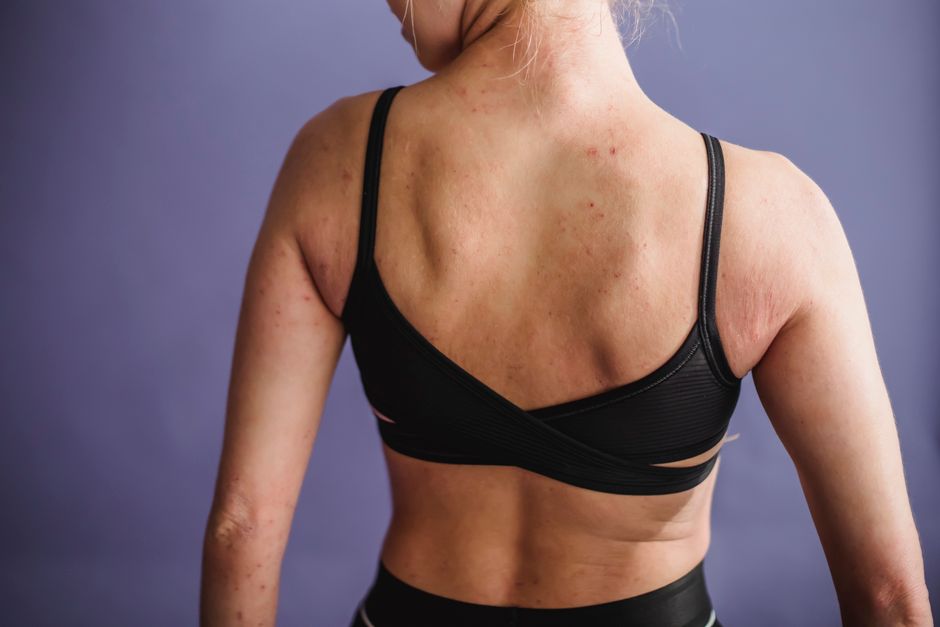
A mark on your neck that looks like a hickey but you know wasn’t caused by kissing is alarming. The most common explanation is a harmless skin reaction, such as a bruise, an allergic response, or a minor fungal infection. However, because several conditions can mimic the appearance of a suction mark, it is important to look at the specific texture, color, and location of the rash to determine the actual cause.
What Causes a Rash That Looks Like a Hickey?
A hickey is essentially a bruise caused by broken capillaries under the skin. When you see a mark that resembles one, it means blood has leaked from small vessels in that area. The causes range from everyday physical pressure to allergic reactions and skin infections.
The color is your first clue. A true bruise changes color over time, shifting from red or purple to green or yellow as it heals. If the mark is flat and changes color over a week, it is likely a bruise from trauma you do not remember, like bumping into a door frame or carrying a heavy bag strap.
If the mark is slightly raised, itchy, or has a defined border, it is more likely a skin condition. Contact dermatitis, ringworm, and pityriasis rosea can all produce circular or oval patches that look startlingly similar to a hickey at first glance.
Could It Be a Bruise From Pressure or Injury?
You do not need a hard impact to cause a bruise. Sustained pressure on a small area can break capillaries just as easily. A backpack strap, a tight collar, a seatbelt, or even resting your head on a hard surface for a long time can leave a mark that looks exactly like a suction bruise.
This is particularly common in people who carry heavy bags or wear sports equipment. The skin on the neck is thin and has a rich blood supply, making it prone to visible bruising from minor pressure. If you recently carried something heavy or wore a tight necklace, that is the most likely explanation.
Some people bruise more easily than others. Aging skin, certain medications like blood thinners or aspirin, and low vitamin C or vitamin K levels can increase your tendency to bruise from minimal pressure. If you notice frequent unexplained bruises, it is worth mentioning to your doctor.
What Skin Conditions Mimic a Hickey?
Several common skin conditions can produce a rash that looks like a hickey, especially in the early stages. Knowing their distinct features helps you tell them apart from a bruise.
Ringworm (tinea corporis) is a fungal infection that creates a red, ring-shaped patch with clearer skin in the center. It can look like a circular bruise or hickey, but it is usually slightly scaly and may itch. Ringworm is highly treatable with over-the-counter antifungal creams.
Contact dermatitis happens when your skin touches something it reacts to, such as nickel in jewelry, certain fabrics, or fragrance in laundry detergent. The reaction appears as a red, sometimes raised patch that may blister or itch. If you recently wore a new necklace or used a new skincare product, this is a strong possibility.
Pityriasis rosea often begins with a single oval patch on the torso or neck. This “herald patch” can be mistaken for a hickey because it is pink or red and oval-shaped. Within a week or two, smaller patches typically appear on the chest, back, or arms. The cause is not fully understood, but it is not dangerous and resolves on its own.

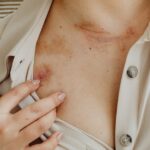
Why Do I Have a Rash That Looks Like a Hickey on My Neck?
The neck is a common location for these confusing marks because the skin there is delicate and frequently exposed to friction, jewelry, and products. The area also has many lymph nodes, which can swell and cause redness that mimics a bruise.
If the mark is on the side of your neck where a lymph node sits, it could be a sign of mild inflammation from a recent infection. A cold, sore throat, or even a minor skin infection can cause a lymph node to swell and the overlying skin to look red or bruised.
Another possibility specific to the neck is a reaction to shaving or hair removal. Razor burn, ingrown hairs, or irritation from chemical depilatories can create red or dark patches that look like a hickey, especially in the days following hair removal.
When Should You See a Doctor About This Rash?
Most hickey-like rashes are harmless and resolve on their own. However, certain signs warrant a medical evaluation. You should see a doctor if the mark does not fade after two weeks, if it grows in size, or if it is accompanied by pain, warmth, or discharge.
Seek prompt medical attention if the rash appears suddenly along with other symptoms like fever, fatigue, joint pain, or unexplained weight loss. A rash that looks like a bruise but spreads rapidly or appears in multiple places could signal a more serious condition, such as a blood clotting disorder or an autoimmune reaction.
If you are taking blood-thinning medication and develop a bruise-like rash without any injury, contact your doctor. While minor bruising is expected on these medications, a sudden large bruise or a rash that looks like broken capillaries in an unusual pattern should be checked.
How Do You Treat a Hickey-Like Rash at Home?
For a suspected bruise, standard first aid applies. Apply a cold compress for the first 24 to 48 hours to reduce blood flow to the area. After that, a warm compress can help disperse the pooled blood and speed up healing. The bruise will fade on its own over one to two weeks.
For a suspected allergic reaction or contact dermatitis, stop using any new products on the area. Wash the skin gently with mild soap and water, then apply a fragrance-free moisturizer. An over-the-counter hydrocortisone cream can reduce redness and itching, but do not use it on broken skin.
If you suspect ringworm, use an antifungal cream containing clotrimazole or terbinafine. Apply it according to the package directions for the full recommended duration, even if the rash starts to clear. Stopping early can allow the fungus to return.
No clinical guidelines exist for treating a rash that looks like a hickey specifically, because it is a symptom, not a disease. Treat the underlying cause. If you are unsure what the cause is, it is safer to avoid applying multiple creams and instead monitor the area for changes.
How to Prevent a Hickey-Like Rash From Happening Again
Prevention depends entirely on the cause. If pressure bruising is the issue, adjust how you carry bags or wear collars. Alternate which shoulder carries a heavy bag and avoid tight jewelry or clothing that digs into the neck.
If you suspect contact dermatitis, identify and avoid the trigger. Nickel allergy is common, so look for jewelry labeled nickel-free or hypoallergenic. Switch to fragrance-free detergents and skincare products for a few weeks to see if the rash stops recurring.
For fungal infections, keep the skin clean and dry. Ringworm thrives in warm, moist environments. Shower after sweating heavily and do not share towels or clothing with others, as fungal infections are contagious.
Frequently Asked Questions
Can stress cause a rash that looks like a hickey?
Stress itself does not directly cause a bruise-like rash. However, stress can trigger or worsen skin conditions like eczema, psoriasis, or hives, which may appear as red patches that resemble a hickey.
How long does a hickey-like bruise take to heal?
A typical bruise takes one to two weeks to fully fade. If the mark does not change color or shrink after two weeks, have it evaluated by a doctor.
Is a rash that looks like a hickey a sign of a blood disorder?
Rarely, but it can be. Frequent unexplained bruising, pinpoint red dots called petechiae, or bruises that appear without any injury can indicate a platelet or clotting problem, and should be checked by a doctor.
