
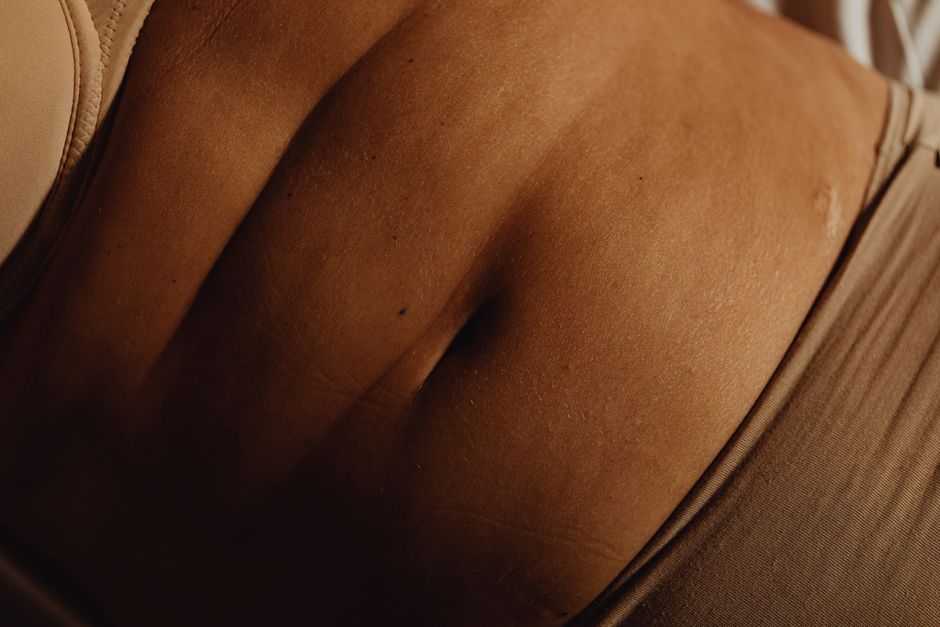
A rash inside your belly button is usually caused by moisture and debris getting trapped in the folds of skin, creating a warm, dark environment where irritation or infection can develop. The most common causes are contact dermatitis, a fungal infection, or a bacterial infection. Less often, it can be a sign of a skin condition like eczema or psoriasis, or irritation from a piercing or clothing.
The belly button, or navel, is a small cavity. Its shape makes it easy for sweat, soap, lint, and dead skin cells to collect there. When that buildup sits against the skin, it can trigger irritation or allow microbes to multiply. That is why a rash in this spot is common and often has a straightforward explanation.
Why Do I Have A Rash In My Belly Button?
The short answer is that the navel is a trap for moisture and debris, and that environment invites both irritation and infection. A rash here is the skin’s response to one of several triggers.
One key factor is anatomy. An innie belly button forms a pocket that is hard to clean and slow to dry. Sweat and moisture stay put. Friction from a waistband or belt adds to the problem. This combination sets the stage for a rash.
The cause usually falls into one of a few categories:
- Irritant or contact dermatitis. Soap, laundry detergent, body lotion, or the metal in a piercing or belt buckle can irritate the skin.
- Fungal infection. Yeast and other fungi thrive in warm, moist skin folds. This often looks red and may itch or produce a white discharge.
- Bacterial infection. Bacteria can enter through a small break in the skin. This tends to be sore, red, and sometimes produces pus or a bad smell.
- Skin conditions. Eczema and psoriasis can affect the navel, though this is less common.
Because these causes can look similar, the exact trigger is not always obvious from appearance alone. A doctor can often tell the difference by examining the skin and asking about symptoms.
What Does the Rash Look Like and What Causes It?
The look of the rash gives useful clues, but appearance alone does not always confirm the cause. Different triggers can produce similar redness.
Irritant dermatitis tends to be red, dry, and sometimes scaly. It often improves when the irritating product is removed. Fungal infections commonly appear as a red, sometimes itchy patch with a defined edge. They may come with a white, cottage-cheese-like discharge. Bacterial infections are more likely to be painful, swollen, and warm to the touch, and they may ooze pus.
Eczema in the navel usually comes with itching and dry, cracked skin. Psoriasis tends to produce well-defined red patches with silvery scale, though the navel is an uncommon site.
One detail worth knowing: a red, itchy rash in the navel is more often linked to moisture and irritation than to a serious internal problem. The skin in this area is thin and folds over itself, so it reacts quickly to anything that stays against it.
Is a Belly Button Rash a Sign of an Infection?
Sometimes it is, and sometimes it is not. Infection is one common cause, but irritation without infection is just as frequent.
Signs that point toward infection include:
- Increasing pain or tenderness
- Swelling or warmth around the navel
- Pus, cloudy fluid, or a bad smell
- Redness that spreads outward
- Fever or feeling unwell
When discharge or a strong odor is present, infection becomes more likely. A fungal infection often brings itching and a white discharge. A bacterial infection more often brings pain and pus.
If the rash is itchy and scaly but not painful or oozing, infection is less likely. In that case, irritation or a skin condition is the better explanation. A doctor can confirm which one is at work.





How Is a Rash in the Belly Button Treated?
Treatment depends on the cause, so matching the treatment to the trigger matters. Using the wrong product can make things worse.
For irritant or contact dermatitis, the main step is removing the trigger. Stop using any new soap, lotion, or detergent that touches the area. Keep the navel clean and dry. Some clinicians recommend a mild, fragrance-free moisturizer once the skin calms down.
For fungal infections, antifungal creams are commonly used. Some are available over the counter, and others require a prescription. These usually need to be applied for a set number of days, and it is important to finish the course even if the rash looks better.
For bacterial infections, a doctor may prescribe an antibiotic cream or, in more serious cases, oral antibiotics. Antibiotics do not work on fungal or viral rashes, which is why an accurate diagnosis matters.
For eczema or psoriasis, treatment usually involves prescription creams or other therapies managed by a doctor. Over-the-counter products are often not enough for these conditions.
One caution: no single home remedy works for every cause. A treatment that helps a fungal rash will not help a bacterial one, and it may delay the right care.
When Should You See a Doctor?
See a doctor if the rash is painful, spreading, or not improving after a few days of basic care. These signs suggest the cause may need medical treatment.
Other reasons to seek care include:
- Pus, foul-smelling discharge, or heavy oozing
- Fever or chills
- A growing area of redness or swelling
- A rash that keeps coming back
- A piercing that is red, hot, and painful
A navel piercing deserves special attention. The site is prone to infection during healing, and jewelry can trap moisture and bacteria. If a piercing is involved, a doctor or piercer can help assess it.
Most navel rashes are not emergencies. But a spreading infection with fever needs prompt care, because skin infections can worsen if untreated.
How Can You Prevent a Belly Button Rash?
Keeping the navel clean and dry is the single most effective step. Most rashes here come back to trapped moisture, so removing that factor reduces the risk.
Practical habits that help:
- Clean the navel gently with mild soap and water, then dry it fully.
- Use a cotton swab to soak up moisture after showering or sweating.
- Avoid harsh soaps, scented lotions, and powders that can clump.
- Wear loose, breathable clothing, especially if you sweat a lot.
- If you have a piercing, follow aftercare instructions and keep it dry.
For people who sweat heavily or have deep navels, drying the area carefully after exercise can make a real difference. A few seconds of attention each day is often enough.
If rashes keep returning despite good hygiene, that points to an underlying cause worth investigating with a doctor. Recurring fungal infections, eczema, or a structural issue with the navel may need specific treatment.
Does a Belly Button Rash Mean Something More Serious?
In most cases, no. A navel rash is usually a local skin issue, not a sign of a deeper disease.
There are rare exceptions. In some cases, a navel discharge or persistent rash can be linked to a problem inside the abdomen, such as an infection or, rarely, a connection between the navel and internal structures. These are uncommon and usually come with other symptoms, like pain, fever, or ongoing discharge.
This is why a rash that does not heal, keeps oozing, or comes with pain or fever deserves a medical look. The odds strongly favor a simple cause, but persistent symptoms are worth checking rather than ignoring.
The bottom line: a rash in the belly button is common and usually traceable to moisture, irritation, or a minor infection. Good hygiene and the right treatment for the specific cause resolve most cases. When symptoms are severe or stubborn, a doctor can sort out the reason and the right path forward.
Frequently Asked Questions
Why do I have a rash in my belly button?
The most common reasons are trapped moisture and debris leading to irritation, a fungal infection, or a bacterial infection. Less often, it is a skin condition like eczema or psoriasis.
How do I get rid of a rash in my belly button?
Treatment depends on the cause: removing an irritant for contact dermatitis, antifungal cream for a fungal infection, or antibiotics for a bacterial one. Keeping the area clean and dry helps in every case.
Is a belly button rash serious?
Most navel rashes are minor and resolve with basic care. See a doctor if it is painful, spreading, oozing pus, or comes with a fever.
Can a belly button piercing cause a rash?
Yes. Piercings are prone to irritation and infection because jewelry traps moisture and bacteria. If the site is red, hot, and painful, have it checked.
