
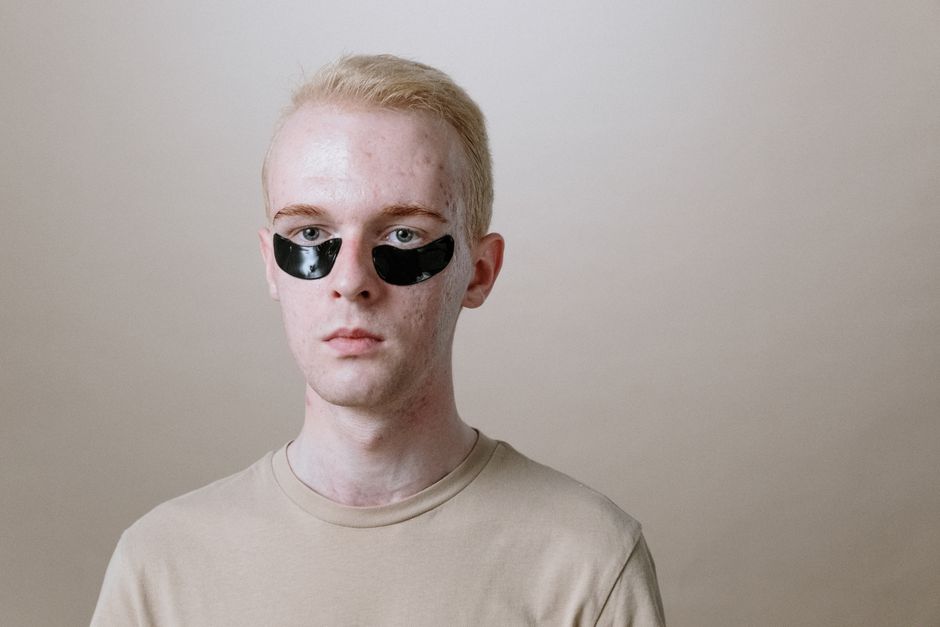
A pimple between your eyebrows is usually caused by the same things that cause pimples anywhere else on your face: clogged pores, bacteria, and oil. But this specific spot has a few unique triggers, including touching your face, heavy eyebrow products, and even your hair. The good news is that most of these breakouts are manageable with simple changes to your routine.
Why Do I Have A Pimple Between My Eyebrows?
The skin between your eyebrows is part of the “T-zone,” which includes your forehead, nose, and chin. This area has a high concentration of sebaceous glands that produce oil, called sebum. When sebum mixes with dead skin cells, it can plug a hair follicle. This creates the perfect environment for Cutibacterium acnes, the bacteria involved in acne, to multiply and cause inflammation.
Because the skin here is thinner than on other parts of your face, any inflammation can look red and swollen quickly. The area is also constantly moving when you frown, squint, or raise your eyebrows, which can make a developing pimple more irritated and noticeable.
What Everyday Habits Are Causing Your Breakout?
You may be causing this pimple without realizing it. The glabella, the medical name for the space between your eyebrows, is a common spot for “acne mechanica.” This type of acne happens when friction, pressure, or heat traps oil and sweat against the skin.
- Touching your face: Your hands carry dirt, oil, and bacteria. Resting your chin or forehead on your hands while working or reading transfers all of that directly into your pores.
- Eyebrow grooming: Waxing, threading, or tweezing can irritate hair follicles. This irritation can lead to small, red bumps that look like pimples but are actually inflamed follicles.
- Hair products: Gels, pomades, and dry shampoos can drip down your forehead. Many of these products contain oils and silicones that are comedogenic, meaning they clog pores.
- Sunglasses and glasses: The nose pads and frames rub against the skin repeatedly. This friction, combined with sweat and sunscreen, can block pores in the exact spot where the frame sits.
- Your phone: Pressing your phone against your face transfers bacteria and oil from the screen directly to your skin.
Could Your Skincare Products Be the Problem?
Sometimes the products you use to prevent acne are the ones causing it. This is known as “purging” versus a “breakout,” and it is important to know the difference.
If you recently started using a product with active ingredients like salicylic acid, benzoyl peroxide, or retinol, you might see more pimples at first. This is called purging. It happens because these ingredients speed up cell turnover, pushing existing clogs to the surface faster. Purging usually clears up within four to six weeks.
A true breakout happens when a product is not right for your skin type. Heavy creams, facial oils, and certain sunscreens can be comedogenic. If you notice new pimples in the same spot after adding a new product, check the label. Look for the term “non-comedogenic,” which means the product is less likely to block pores. However, this label is not a guarantee. Some people react to ingredients that are generally considered safe.



Is It a Pimple or Something Else?
Not every bump between your eyebrows is acne. Several other conditions can look similar, and treating them like a pimple can make them worse.
Cold sores can appear on the face, though they most commonly form on or around the lips. A cold sore usually starts with a tingling or burning sensation before a cluster of small, fluid-filled blisters appears. A pimple is typically a single bump with a whitehead or blackhead.
Sebaceous hyperplasia is another possibility. These are enlarged oil glands that appear as small, soft, yellow or flesh-colored bumps. They often have a tiny depression in the center. They are harmless and more common in older adults.
Milia are tiny, hard, white cysts that form when dead skin gets trapped in a small pocket on the skin’s surface. They look like small whiteheads but are much firmer and cannot be squeezed out like a normal pimple.
Folliculitis is an inflammation of the hair follicle, often caused by bacteria or yeast. It can look like a red, pus-filled bump and is common after waxing or threading the eyebrows.
If a bump does not come to a head, does not respond to acne treatment, or keeps returning in the exact same spot, it is worth having a dermatologist look at it. Basal cell carcinoma, a type of skin cancer, can sometimes look like a pimple that never heals. This is rare, but it is a reason to get persistent bumps checked.
How to Treat a Pimple Between Your Eyebrows Safely
Treatment depends on the type of bump you have. For a standard inflammatory pimple, the goal is to reduce swelling and kill bacteria without over-drying the skin.
Benzoyl peroxide is a well-studied treatment that kills acne bacteria and helps clear blocked pores. It is available over the counter in strengths from 2.5% to 10%. Higher strengths do not work better; they just cause more irritation. Start with the lowest strength.
Salicylic acid is a beta hydroxy acid that helps unclog pores by dissolving the glue that holds dead skin cells together. It is most effective for blackheads and whiteheads rather than deep, red pimples.
If the pimple is red and swollen, a warm compress applied for 10 to 15 minutes a few times a day can help bring it to a head. This is not a clinical treatment for curing acne, but it can help soothe the area.
Do not pop it. The skin between your eyebrows is close to the ophthalmic veins, which drain into the cavernous sinus, a large vein at the base of the brain. While the risk of a serious infection from popping a pimple here is extremely low, it is not zero. Squeezing also pushes bacteria deeper into the skin, which creates more inflammation and increases the risk of scarring.
How to Prevent Future Breakouts in This Area
Prevention is more effective than treatment. Focus on reducing the habits that cause the blockage in the first place.
- Wash your face twice a day with a gentle cleanser. Over-washing strips the skin of natural oils, which can cause your glands to produce even more oil.
- Clean your phone screen daily with an alcohol wipe to remove bacteria and oil.
- Wipe your brow area after workouts or any activity that makes you sweat.
- Wash your hair regularly if you use styling products, and keep hair off your forehead when sleeping.
- Clean makeup brushes weekly. Brushes collect oil, dead skin, and bacteria that you spread directly onto your face.
- Remove makeup before bed every night. Sleeping in makeup is a direct cause of clogged pores.
- Choose lighter moisturizers if you have oily skin. Gel-based moisturizers are often better than heavy creams.
When Should You See a Dermatologist?
Occasional pimples are normal and do not require medical care. But you should see a dermatologist if you experience any of the following:
- Frequent breakouts that do not respond to over-the-counter treatments after six to eight weeks.
- Deep, painful nodules or cysts that leave scars.
- A bump that bleeds, crusts, or never fully heals.
- Signs of infection, such as spreading redness, warmth, or fever.
A dermatologist can prescribe stronger topical treatments, oral antibiotics, or other therapies like spironolactone for hormonal acne. They can also rule out other skin conditions that look like acne but require different treatment.
Frequently Asked Questions
Why do I keep getting pimples between my eyebrows?
Repeated breakouts in this spot are usually caused by ongoing friction or product use, such as touching your face, wearing glasses, or using heavy hair products.
If the pimples are deep and painful, hormonal fluctuations may also be a factor, though this is less specific to the eyebrow area.
Can plucking my eyebrows cause pimples?
Yes, waxing, threading, and tweezing can irritate the hair follicle and cause inflamed bumps that look like pimples.
This is a form of folliculitis, not true acne, and usually resolves on its own within a few days.
Is it dangerous to pop a pimple between my eyebrows?
Popping any pimple increases the risk of infection, scarring, and spreading bacteria to nearby pores.
The area between the eyebrows has venous drainage connected to deeper facial structures, so it is best to avoid squeezing and let the pimple resolve on its own.
What is the fastest way to get rid of a pimple between my eyebrows?
A spot treatment with benzoyl peroxide or salicylic acid applied directly to the pimple can help reduce size and redness within a day or two.
A warm compress can also help bring the pimple to a head, but it will not cure the acne.
