
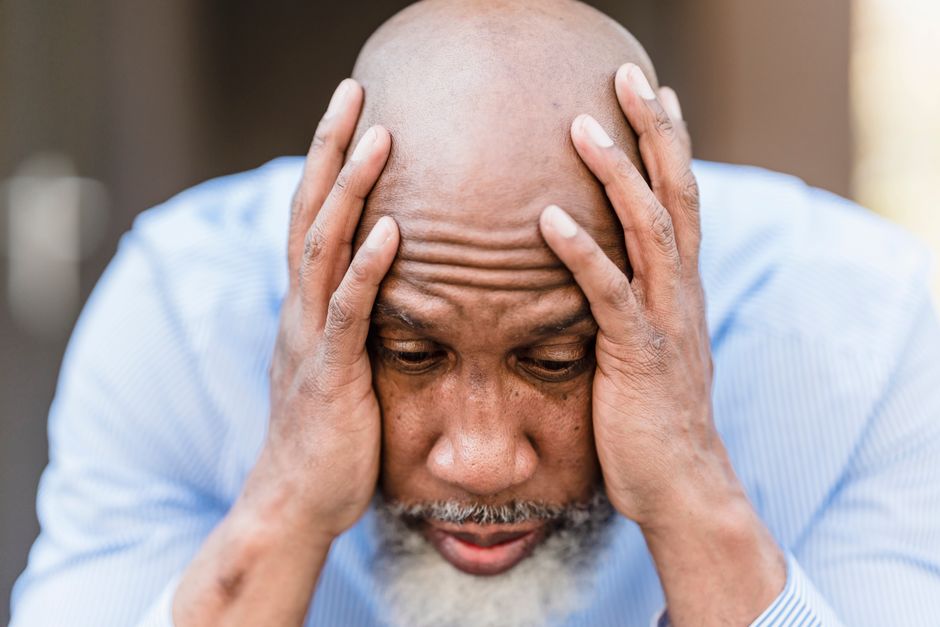
You lie down tired, but your brain won’t switch off. The most common reason is that your body and brain are not ready for sleep yet, even if you feel exhausted. Sleep onset depends on two things working together: sleep pressure (a chemical called adenosine that builds while you are awake) and your circadian clock (the internal timing system that decides when you feel sleepy). When those two are out of step, or when your brain has learned to treat the bed as a place for thinking and worrying, falling asleep gets hard. That is a normal response to real conditions, not a personal failing.
Difficulty falling asleep has a name in medicine: sleep-onset insomnia. It is different from waking up in the middle of the night or waking too early, though the causes can overlap. Understanding which pattern you have matters, because the fixes are not always the same.
Why Do I Have A Hard Time Falling Asleep?
Falling asleep is an active biological process, not a switch you flip. Your brain has to shift into a sleep-permissive state, and several systems have to line up at once.
The first is sleep pressure. As you stay awake, adenosine builds up in the brain and makes you feel sleepy. Caffeine works by blocking adenosine receptors, which is why a late coffee can keep you awake even when you feel tired. The second is your circadian rhythm, a roughly 24-hour cycle that tells your body when to release melatonin and when to raise body temperature. Sleep comes most easily when high sleep pressure meets the part of your circadian cycle that favors sleep.
The third is your arousal system. The brain has wake-promoting networks that stay active under stress, excitement, or mental stimulation. If those networks are still humming when you get into bed, sleep pressure alone may not be enough to override them. This is why you can feel exhausted and still lie awake.
There is a detail worth knowing. Many people with sleep-onset trouble have a normal sleep drive but a bedtime that is out of sync with their internal clock. In that case, the problem is timing, not the ability to sleep. A person who genuinely cannot fall asleep until 2 a.m. and then sleeps fine may have a delayed circadian phase rather than insomnia. The two look similar at bedtime but call for different approaches.
What Habits Make It Harder to Fall Asleep?
Some everyday behaviors quietly work against sleep onset. None of these is unusual, and most are easy to overlook.
- Caffeine late in the day. Caffeine has a half-life of roughly five hours in most adults, meaning a good portion is still in your system hours after you drink it. Sensitivity varies widely between people.
- Alcohol as a sleep aid. Alcohol can make you feel drowsy, but it disrupts sleep architecture and tends to cause lighter, more fragmented sleep later in the night. Using it to fall asleep often backfires.
- Irregular sleep and wake times. Going to bed and getting up at very different times day to day weakens the circadian signal that helps you feel sleepy at the right moment.
- Bright light at night. Light is the strongest signal to your circadian clock. Bright screens and overhead lighting close to bedtime can push your internal clock later.
- Long or late naps. Napping reduces sleep pressure. A long nap in the late afternoon can make bedtime harder.
- Lying in bed awake for long stretches. Staying in bed while frustrated teaches the brain to link the bed with wakefulness and worry.
These factors stack. Someone who has an afternoon coffee, works on a bright laptop until midnight, and keeps an irregular schedule is fighting three separate systems at once.
Can Stress and Worry Keep You Awake?
Yes, and this is one of the most common drivers of sleep-onset trouble. When you are stressed, your body releases arousal hormones and your mind tends to problem-solve. Bedtime removes distractions, so worries that were background noise during the day can become loud.
Over time, a pattern can form. You get into bed, your mind starts racing, you check the clock, you worry about not sleeping, and the worry itself keeps you awake. Clinicians call this conditioned arousal, and it is a core feature of chronic insomnia. The bed becomes a cue for alertness instead of rest.
The frustration is understandable and the cycle is real. Trying harder to sleep usually makes it worse, because effort is a wake signal. This is why behavioral approaches to insomnia focus on changing the conditions around sleep rather than on willpower.
What Is Cognitive Behavioral Therapy for Insomnia?
Cognitive behavioral therapy for insomnia, usually called CBT-I, is the first-line treatment for chronic insomnia in adults. Major clinical guidelines recommend it ahead of sleep medication for ongoing insomnia, and the evidence behind it is strong.
CBT-I is a structured program, typically delivered over several weeks with a trained clinician or through a validated digital program. It combines several components:
- Sleep restriction. This temporarily limits time in bed to the amount you are actually sleeping, which builds sleep pressure and makes sleep come faster. It sounds counterintuitive and is best done with guidance.
- Stimulus control. This rebuilds the link between bed and sleep by having you get out of bed when you are awake and struggling, and return only when sleepy.
- Cognitive work. This addresses the thoughts and worries that fuel bedtime arousal.
- Relaxation and education. These help calm the arousal system and correct habits that work against sleep.
CBT-I is not a quick fix, and it takes effort. But it targets the mechanisms that keep sleep-onset insomnia going, which is why its benefits tend to last after the program ends. Some clinicians also recommend it for short-term insomnia, though the strongest evidence base is for chronic insomnia.
When Should You Talk to a Doctor?
Occasional trouble falling asleep is common and usually not a sign of anything serious. Talk to a clinician when sleep-onset problems happen most nights, last for weeks or longer, and start to affect your daytime function, mood, or safety.
Certain symptoms deserve prompt medical attention rather than self-management:
- Loud snoring, gasping, or pauses in breathing during sleep, which can suggest sleep apnea
- Falling asleep unintentionally during the day, such as while driving
- Severe daytime sleepiness despite what seems like enough time in bed
- Restless legs or an urge to move your legs at night that disrupts sleep
- Low mood, anxiety, or persistent worry that is affecting daily life
A clinician can help rule out medical causes, review medications that may interfere with sleep, and point you toward evidence-based treatment. Some prescription and over-the-counter medicines can affect sleep onset, so it is worth reviewing what you take.
What Can You Do Tonight to Fall Asleep More Easily?
Small, consistent changes support the biology of sleep onset. None of these is a guarantee, but together they remove common obstacles.
Keep your wake time consistent, even after a rough night. A steady wake time is one of the strongest anchors for your circadian clock. Get bright light in the morning, ideally outdoors, to reinforce that timing.
Create a wind-down period before bed. Dim the lights, step away from work and heated conversations, and give your arousal system a chance to settle. Keep the bedroom cool, dark, and quiet.
If you are awake and frustrated in bed for what feels like a long stretch, get up and do something calm in low light until you feel sleepy, then return. This is the stimulus-control principle in practice.
Be cautious with sleep aids and supplements. Some over-the-counter products and supplements marketed for sleep have limited evidence for improving sleep onset, and the evidence varies by product. No clinical guidelines support using them as a substitute for behavioral treatment of chronic insomnia. If you are considering one, ask a pharmacist or clinician about interactions and whether it fits your situation.
The bottom line: trouble falling asleep usually reflects a mismatch between your sleep pressure, your internal clock, and your arousal level, or a learned pattern around the bed. Those are conditions you can change, often without medication, and a clinician can help you find the right path.
Frequently Asked Questions
Why do I feel tired but can’t fall asleep?
Feeling tired reflects sleep pressure, but falling asleep also requires your circadian clock and arousal system to be in a sleep-friendly state. If you are stressed, overstimulated, or off schedule, you can feel exhausted and still lie awake.
How long should it take to fall asleep?
Most healthy adults fall asleep within roughly 10 to 20 minutes of getting into bed. Consistently taking much longer, especially most nights, can be a sign of sleep-onset insomnia worth discussing with a clinician.
Does melatonin help you fall asleep faster?
Melatonin can help shift the timing of your internal clock and may help with some sleep-timing problems, but the evidence that it speeds sleep onset in general insomnia is limited and mixed. It is not a first-line treatment for chronic insomnia.
Is it bad to stay in bed when I can’t sleep?
Staying in bed while awake and frustrated can strengthen the link between bed and wakefulness. Behavioral sleep medicine generally recommends getting out of bed when you are struggling and returning when you feel sleepy.
