
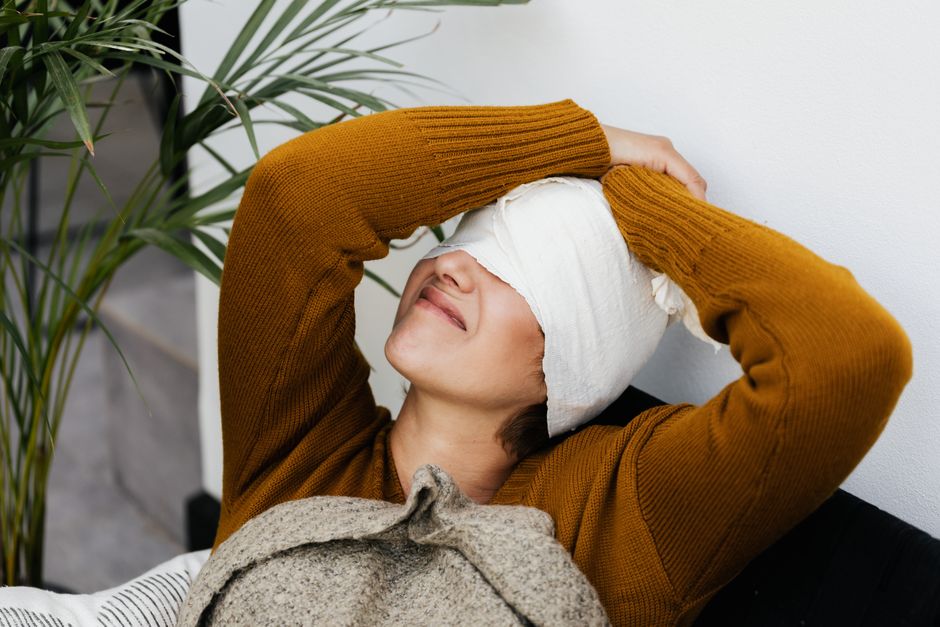
A hangover headache without drinking can happen because the brain and body react to many of the same triggers alcohol sets off — dehydration, poor sleep, skipped meals, low blood sugar, caffeine withdrawal, and viral illness. The headache is real. The cause is just different from what most people assume.
What ties these together is that a hangover is not one thing. It is a cluster of symptoms — headache, fatigue, thirst, nausea, irritability — that can be produced by several distinct problems. Alcohol is one cause. It is not the only one.
What Does a “Hangover” Actually Mean in the Body?
A hangover is a collection of symptoms, not a diagnosis. It typically includes headache, tiredness, thirst, dizziness, nausea, and trouble concentrating. Any process that produces that same combination will feel like a hangover, even with zero alcohol involved.
With alcohol, several things happen at once. Alcohol suppresses a hormone called vasopressin, which tells the kidneys to hold onto water. The result is increased urination and fluid loss. Alcohol also disrupts sleep architecture — people fall asleep faster but spend less time in deep and REM sleep. It can irritate the stomach lining and affect blood sugar regulation. None of these effects require alcohol to occur. Dehydration, fragmented sleep, and low blood sugar can each produce them independently.
That overlap is why the label “hangover” fits so many situations. Your body does not know why it is short on fluid or why sleep was poor. It just responds.
Why Do I Have A Hangover Headache Without Drinking?
The most common explanation is dehydration, often combined with poor sleep or a missed meal. The headache itself is usually a tension-type or dehydration-related headache, though the exact mechanism of headache pain in general is still not fully understood.
Here is the non-obvious part. The brain itself has no pain receptors. Headache pain comes from structures around and inside the head — the blood vessels, the membranes covering the brain (the meninges), and the muscles of the scalp and neck. When the body is low on fluid, blood volume drops slightly, and these pain-sensitive structures can become more irritable. Muscle tension in the neck and shoulders adds another layer.
The causes that most often produce a hangover-like headache include:
- Dehydration — from not drinking enough, sweating, fever, vomiting, or diuretic medications
- Poor or shortened sleep — especially a night of broken sleep
- Skipped meals and low blood sugar — the brain depends heavily on a steady glucose supply
- Caffeine withdrawal — a well-documented cause of headache in regular coffee drinkers
- Viral illness — early flu or a cold often starts with headache and fatigue
- Stress and jaw clenching — tension headaches frequently mimic the “groggy head” feeling
- Screen time and eye strain — a common contributor to late-day headaches
Any one of these can do it. Often it is two or three stacked together — a late night, less water than usual, and a rushed morning with no breakfast.
Can Dehydration Alone Cause a Headache Like This?
Yes. Dehydration is one of the most consistently reported triggers for headache, and it is the single most likely explanation for a hangover-style headache in someone who did not drink.
When you are short on fluid, your body conserves water and your blood volume falls slightly. Some people are far more sensitive to this than others. Mild dehydration that would barely register for one person can bring on a throbbing headache in another. The relationship is well described in clinical settings, though individual sensitivity varies widely.
Several everyday things quietly dehydrate you without you noticing:
- Hot weather or a heated room overnight
- Exercise, especially in the evening
- Fever or a mild infection
- Diuretic medications, including some blood pressure drugs
- Caffeine, which has a mild diuretic effect
- Salty meals, which shift fluid balance
If you wake with a dry mouth, dark urine, and a headache, dehydration should be near the top of your list. Drinking water usually helps within an hour or two if fluid loss is the main cause. If it does not, look at the other factors.
What Else Causes Hangover Symptoms With No Alcohol?
Sleep disruption is the second big one. A night of fragmented sleep — whether from stress, a noisy room, a new baby, or a partner’s snoring — produces fatigue, irritability, and headache that feel identical to a mild hangover.
Caffeine withdrawal deserves its own mention. If you drink coffee most days and skip it, a headache can develop within roughly 12 to 24 hours. Many people do not connect the two because the headache arrives the next morning, not right after the missed cup. The pattern is consistent and well documented.
Low blood sugar is another. Skipping dinner or breakfast leaves the brain short on its preferred fuel. The result is shakiness, irritability, and headache. People who fast or eat irregularly often recognize this pattern.
Less common causes worth knowing about:
- Early viral illness — a headache and tiredness can precede other symptoms by a day
- Sinus congestion — pressure around the eyes and forehead
- Medication side effects — some blood pressure drugs and others list headache as a common effect
- Alcohol consumed the night before in small amounts — even one drink can trigger symptoms in sensitive people
One clarification that catches people out: a single glass of wine the night before can produce a mild hangover in someone who is sensitive, even if they do not feel drunk. “Without drinking” sometimes means “without drinking much.”
How Can You Tell What Is Causing It?
Look at the pattern across a few days, not just the morning it happens. The trigger is usually visible once you check the basics.
Ask yourself a short set of questions:
- Did I drink noticeably less water than usual yesterday?
- Was my sleep shorter or more broken than normal?
- Did I skip a meal or eat much less than usual?
- Did I miss my usual coffee?
- Have I felt feverish, congested, or generally unwell?
- Did I start any new medication recently?
If one answer stands out, that is likely your cause. If several do, they are probably stacking. If none do, and the headaches keep returning, that is a reason to see a clinician rather than guess.
When Should a Hangover-Style Headache Worry You?
Most headaches of this kind are harmless and pass within a day. A few patterns need medical attention, and it is worth knowing them clearly.
Seek prompt medical care if a headache:
- Comes on suddenly and is severe — often described as the worst headache of your life
- Comes with fever and a stiff neck
- Follows a head injury
- Comes with confusion, weakness, vision changes, or trouble speaking
- Is new after age 50, or steadily worsening over days
- Comes with vomiting that will not settle
These signs do not mean something serious is present. They mean a clinician should make that call, not a search engine. The threshold for checking is low because the serious causes are uncommon but time-sensitive.
For recurring headaches without warning signs, tracking triggers for a couple of weeks is genuinely useful. It gives a clinician real information to work with.
What Helps a Hangover Headache Without Alcohol?
If dehydration is the cause, replacing fluids is the first step. Water is usually enough. If you have been sweating heavily or vomiting, an oral rehydration solution can replace electrolytes more effectively than water alone. There is no single “correct” amount — drinking to thirst and watching urine color is a reasonable guide.
If sleep was the problem, the fix is sleep, not a pill. Catching up on rest, even a short nap, often clears the headache. If caffeine withdrawal is the trigger, a normal cup of coffee usually resolves it within an hour.
If low blood sugar is involved, eating something with carbohydrate helps. A missed meal is a missed meal.
Over-the-counter pain relievers are commonly used for tension-type and dehydration headaches, and they are effective for many people. They are not risk-free. Taking them frequently — more than a couple of days a week over time — can itself cause medication-overuse headache, a well-recognized problem. Anyone reaching for painkillers regularly should talk to a clinician rather than self-manage indefinitely.
What does not have strong evidence: detox teas, “adrenal support” supplements, and IV drip bars marketed for hangovers. No large human trials confirm these work for hangover symptoms. The evidence is limited or absent, and the marketing runs well ahead of the science.
Frequently Asked Questions
Can you get a hangover without drinking alcohol?
Yes. Dehydration, poor sleep, skipped meals, caffeine withdrawal, and early viral illness can all produce the same cluster of symptoms — headache, fatigue, thirst, and nausea. The body responds to these triggers much as it does to alcohol.
Why do I wake up with a headache every morning?
Morning headaches most often point to dehydration overnight, disrupted sleep, caffeine withdrawal, or jaw clenching during sleep. If they happen most days, or come with other symptoms, a clinician should evaluate them.
Does drinking water get rid of a hangover headache?
Water helps if dehydration is the cause, usually within an hour or two. If the headache is driven by poor sleep, low blood sugar, or caffeine withdrawal, water alone will not fix it.
Can stress cause hangover-like symptoms?
Yes. Stress disrupts sleep, increases muscle tension in the neck and jaw, and can reduce appetite and fluid intake. Together these can produce headache, fatigue, and irritability that feel like a hangover.
