
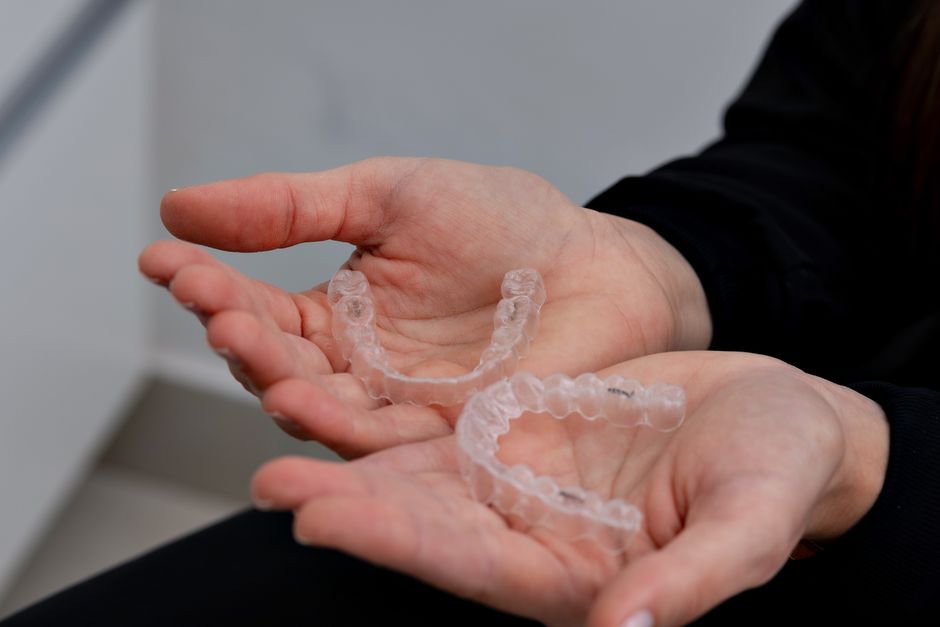
A gap in your teeth while wearing braces usually means the braces are doing their job. Orthodontic treatment moves teeth through bone, and creating space is often a planned step. The gap is typically temporary and closes as treatment continues. If it appears suddenly, grows, or comes with pain or a loose bracket, call your orthodontist.
Most people picture braces as a slow, even push toward a perfect smile. In reality, teeth move in stages, and space has to come from somewhere. Understanding why gaps open up can take a lot of the worry out of looking in the mirror mid-treatment.
Why Do I Have A Gap In My Teeth With Braces?
Teeth move because pressure on a tooth triggers bone remodeling. On the side the tooth is moving toward, bone is broken down by cells called osteoclasts. On the side it is leaving, new bone is built by osteoblasts. This is a well-established biological process, and it is the foundation of all orthodontic movement.
When teeth shift, the space between them changes. A gap can appear for several reasons:
- Crowding correction. If your teeth were crowded, the orthodontist may need to create room before aligning them. Pulling teeth apart slightly is one way to do that.
- Extraction sites. If a tooth was removed to make space, the gap where it sat will close gradually as nearby teeth move into position.
- Arch expansion or reshaping. The wire and brackets guide teeth along a planned path, and small spaces can open as teeth rotate or tilt.
- Tooth size differences. Some people have teeth that are naturally smaller than the space available, which can leave a visible gap even after alignment.
- Normal movement mechanics. As one tooth moves, its neighbor may briefly shift, opening a small space that later closes.
None of these are signs that something has gone wrong on their own. They are part of how orthodontics works.
Is A Gap Normal During Braces Treatment?
Yes, in many cases. A gap during braces is often expected and planned. Orthodontists frequently create space intentionally before closing it later in treatment.
The timing matters. A gap that opens early and closes over weeks or months is usually part of the plan. A gap that appears suddenly, keeps getting wider, or shows no sign of closing may need a check-in with your orthodontist.
It helps to remember that braces are not a straight line from crooked to straight. Teeth often look worse at some stages before they look better. This is sometimes called the “ugly phase” of treatment, and it is common enough that many orthodontists warn patients about it in advance.
What Causes A Gap To Appear Suddenly?
A sudden gap is less common but can happen. The most frequent causes are a broken wire, a loose bracket, or a tooth that has shifted faster than expected.
If a wire slips out of a bracket, the tension on your teeth changes. That can let a tooth drift and open a space. A loose bracket works the same way. In both cases, the braces are no longer guiding the tooth as intended.
Other possibilities include:
- A lost elastic or chain that was holding teeth together
- A habit like tongue thrusting that pushes teeth forward
- Natural variation in how fast individual teeth move
If a gap appears overnight or within a few days, it is worth a call to your orthodontist. They can check whether a component has failed and whether you need an adjustment.
Will The Gap Close On Its Own?
In most planned cases, yes. The orthodontist controls the sequence of movement, and closing spaces is often a later stage of treatment. The gap you see now may be a step toward a closed result.
That said, not every gap closes without help. Some spaces need specific mechanics, such as power chains, springs, or elastics, to bring teeth together. Your orthodontist plans these steps based on your bite, your tooth size, and your treatment goals.
It is also worth knowing that some gaps are not meant to close completely. If your treatment plan involves leaving a small space for a future implant or bridge, the orthodontist may intentionally preserve it. This is less common but does happen in certain cases.
When Should You Call Your Orthodontist?
Call your orthodontist if a gap comes with pain, swelling, a loose bracket, a poking wire, or a tooth that feels mobile. These can signal a problem that needs attention.
Also call if:
- The gap is growing quickly over a few days
- You notice a bracket has come off
- A wire is broken or sticking out
- You have trouble eating or speaking because of the gap
- You are worried and want reassurance
There is no harm in asking. Orthodontists would rather check a small issue early than fix a bigger one later. Most offices handle these questions routinely.
What Can You Do While Waiting For The Gap To Close?
Keep your appointments and follow instructions. The most useful thing you can do is wear any elastics or appliances exactly as directed. Skipping them can slow progress and change how teeth move.
Keep your braces clean. Food can get trapped near a gap, and that raises the risk of plaque buildup and gum irritation. Brush carefully around the gap and use interdental brushes if your orthodontist recommends them.
Avoid habits that push teeth, such as chewing on pens or fingernails. If you have a tongue thrust habit, ask your orthodontist whether it is affecting your treatment.
It also helps to take photos every couple of weeks. Seeing the gap shrink over time can be reassuring when progress feels slow day to day.
Does A Gap Mean Treatment Is Going Wrong?
Usually not. A gap is often a sign that teeth are moving as planned. Orthodontic treatment is a sequence of small changes, and space is part of that sequence.
That said, not every gap is harmless. A gap caused by a broken appliance or a tooth moving too fast does need attention. The difference is usually clear: planned gaps develop gradually, while problem gaps tend to appear suddenly or come with other symptoms.
If you are unsure which kind you have, ask. Your orthodontist knows your treatment plan and can tell you whether the gap is expected.
How Long Does It Take For A Gap To Close?
There is no single timeline. It depends on the size of the gap, the reason it opened, and how your teeth respond to treatment. Some gaps close in a few weeks. Others take months.
Teeth generally move slowly, and orthodontists plan treatment around that pace. Trying to rush movement can damage the tooth root or the bone. Your orthodontist sets the pace for a reason.
If you are concerned about how long a gap is taking to close, ask at your next visit. They can explain where you are in the plan and what comes next.
Frequently Asked Questions
Why do I have a gap in my teeth with braces?
A gap often appears because braces are creating space or moving teeth into position. It is usually a planned part of treatment and closes as treatment continues.
Is it normal to have a gap while wearing braces?
Yes, gaps are common during braces treatment and are often expected. They usually close as the orthodontist moves teeth into their final positions.
Can a gap appear suddenly with braces?
Yes, a sudden gap can happen if a wire breaks, a bracket loosens, or a tooth shifts faster than expected. Call your orthodontist if a gap appears overnight or comes with pain.
Will the gap close on its own?
In most planned cases, yes, the orthodontist closes the gap as part of treatment. Some gaps need specific appliances like power chains or elastics to bring teeth together.
