
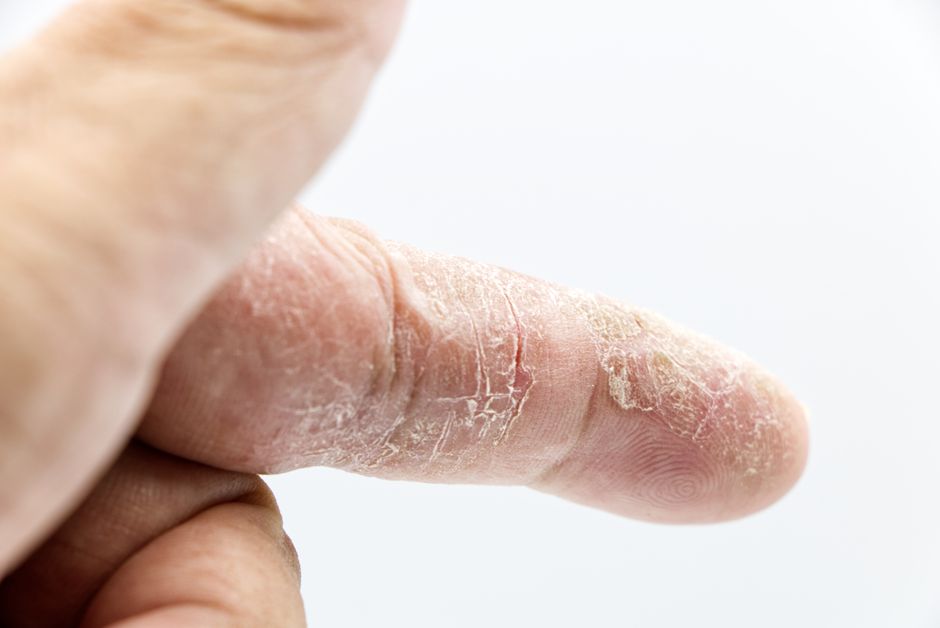
You notice a small bump on your finger and wonder what it is. Most bumps on fingers are harmless and temporary. They are usually caused by cysts, warts, or minor injuries. The most common type is a mucous cyst, which forms from joint fluid. Another frequent cause is a ganglion cyst, which comes from a tendon sheath. Understanding the specific characteristics of your bump helps you know what to do next.
What Is the Most Common Bump on Fingers?
The mucous cyst is the most common bump found on fingers. It appears near the nail or the last joint of the finger. These bumps are smooth, round, and often feel firm or slightly rubbery. They form when fluid from a nearby joint leaks out and creates a sac under the skin.
Mucous cysts are not dangerous. They are not cancerous and do not spread. Research published in the Journal of Hand Surgery found that these cysts are linked to arthritis in the finger joint. About 70% of people with mucous cysts have osteoarthritis in that joint. The cyst itself is just a symptom of the joint condition, not a separate disease.
You might notice the bump changes size. It can get bigger after using your hand a lot and smaller after resting. This is normal because the fluid moves in and out of the cyst. If the bump is painful or makes it hard to bend your finger, it is worth checking with a doctor.
Are Bumps on Fingers Ever Cancerous?
Cancerous bumps on fingers are extremely rare. The vast majority of finger bumps are benign. According to the American Academy of Dermatology, less than 1% of all skin cancers occur on the fingers. When they do, they usually look different from a typical cyst or wart.
Signs that could indicate something more serious include a bump that grows quickly, changes color, bleeds easily, or does not heal. A cancerous bump might also feel hard and be fixed to the tissue underneath rather than moving freely. But even with these signs, the chance of cancer remains very low.
The most common type of cancer on fingers is squamous cell carcinoma. It often looks like a scaly patch or a sore that will not heal. Another type, called melanoma, can appear as a dark spot or streak under the nail. If you have any bump that concerns you, especially if it changes over time, see a dermatologist for evaluation.
What Causes a Ganglion Cyst on a Finger?
A ganglion cyst forms when fluid from a tendon sheath or joint capsule leaks out and creates a sac. This sac is filled with a thick, jelly-like fluid. Ganglion cysts are common on the back of the wrist but also appear on fingers, especially near the base.
The exact cause is not fully understood. Some studies suggest they form after repetitive stress or minor injury to the tendon. The American Society for Surgery of the Hand reports that ganglion cysts are not caused by arthritis or cancer. They are simply a mechanical issue where fluid escapes from its normal space.
Ganglion cysts on fingers often feel firm and may be tender when pressed. They can change size, sometimes getting smaller or even disappearing for a while. Many people have them for years without any problems. Treatment is usually not needed unless the cyst causes pain or interferes with hand function.





Why Do Warts Appear on Fingers?
Warts on fingers are caused by the human papillomavirus, or HPV. This virus enters the skin through small cuts or breaks. It causes the top layer of skin to grow rapidly, forming a rough bump. Finger warts are very common, especially in children and young adults.
Not all bumps caused by HPV look the same. Common warts are raised with a rough surface and may have tiny black dots inside. These dots are small blood vessels that have clotted. Flat warts are smoother and smaller, often appearing in groups. Both types are contagious but usually harmless.
The CDC notes that most warts go away on their own within two years. Your immune system eventually clears the virus. But many people choose to treat them because they are unsightly or uncomfortable. Over-the-counter treatments with salicylic acid can help. Freezing treatments at a doctor’s office are also effective. Do not try to cut or pick at a wart, as this can spread the virus to other parts of your finger or hand.
Can an Injury Cause a Bump on My Finger?
Yes, injuries are a common cause of bumps on fingers. A hard hit or crush injury can cause swelling that looks like a bump. This is usually a hematoma, which is a collection of blood under the skin. The bump may be painful and discolored, turning black and blue at first then fading over days or weeks.
Another injury-related bump is a bone spur. After a fracture or repeated stress, the body may grow extra bone at the injury site. This feels hard and does not move when you press on it. Bone spurs are not dangerous but can cause pain if they press on nearby nerves or tendons.
Sometimes a bump forms from a foreign object like a splinter that was not fully removed. The body creates a small pocket of fluid around the object called a granuloma. This bump may be red and tender. If you recently had a splinter or puncture wound in that area, this could be the cause. A doctor can remove the object and the bump will heal.
What Should I Do About a Bump on My Finger?
Most bumps on fingers do not need treatment. If the bump is not painful and does not bother you, leaving it alone is a reasonable choice. Many cysts and warts go away on their own over time. You do not need to rush to a doctor for every small bump.
If the bump causes pain, limits movement, or changes in size or appearance, see a healthcare provider. A primary care doctor can often diagnose the bump by looking at it and feeling it. Sometimes an ultrasound or X-ray is used to see if the bump connects to a joint or tendon. These tests are simple and painless.
Treatment depends on the cause. For a mucous cyst, a doctor may drain the fluid with a needle. This is not a permanent fix because the cyst often comes back. The only way to fully remove a mucous cyst is surgery to address the underlying joint problem. For ganglion cysts, observation is common. If treatment is needed, aspiration or surgery are options. Warts can be treated with topical medications, freezing, or laser therapy.
Do not try to pop or cut open a bump on your finger. This can cause infection, scarring, or make the bump worse. Home remedies like applying heat or soaking in vinegar are not supported by evidence. They may provide temporary relief but will not cure the underlying issue.
Common Misconceptions About Finger Bumps
One widespread myth is that finger bumps are always caused by arthritis. While mucous cysts are linked to arthritis, ganglion cysts and warts are not. Another myth is that you can get rid of a cyst by hitting it with a heavy book. This old practice does not work and can damage your finger. The fluid may move elsewhere but the cyst usually returns.
Some people believe that warts mean you have a weak immune system. This is not true. HPV is extremely common and most people get warts at some point. Your immune system usually clears the virus, but it can take months or years. Having a wart does not mean something is wrong with your health.
Another misconception is that all bumps need to be removed. Many people live with cysts and warts for decades without problems. Removing a bump that is not causing issues is unnecessary and carries its own risks, including infection and scarring. Only treat a bump if it genuinely bothers you.
Comparison of Common Finger Bumps
| Type | Cause | Appearance | Common Location |
|---|---|---|---|
| Mucous cyst | Joint fluid leak | Smooth, round, firm | Near nail or last joint |
| Ganglion cyst | Tendon fluid leak | Firm, may be tender | Base of finger |
| Common wart | HPV virus | Rough, raised, black dots | Anywhere on finger |
| Hematoma | Injury | Discolored, swollen | Site of impact |
| Bone spur | Fracture or stress | Hard, immovable | Near joint |
When to See a Doctor for a Finger Bump
You should see a doctor if the bump is painful, grows quickly, or changes color. Also seek medical advice if the bump bleeds, oozes fluid, or does not heal after a few weeks. If you have multiple bumps appearing on different fingers, that is worth mentioning to your doctor.
Other warning signs include numbness or tingling in the finger, difficulty bending or straightening it, or a bump that feels hard like bone. If you have a history of skin cancer or a family history of it, be more cautious about any new growth. A dermatologist can perform a quick exam and often tell you what the bump is just by looking at it.
For most people, a single bump on a finger is nothing to worry about. It will likely go away on its own or stay the same size for years. The key is to watch it and not panic. Your body is good at handling these small issues, and modern medicine has simple solutions for the ones that need help.
Frequently Asked Questions
Can a bump on my finger be a sign of something serious?
It is very unlikely. The vast majority of finger bumps are harmless cysts, warts, or injury-related swelling. Only see a doctor if it grows quickly, changes color, bleeds, or does not heal.
Will a mucous cyst go away on its own?
Mucous cysts rarely go away without treatment because they are connected to an arthritic joint. They may shrink temporarily but often return. Surgery is the only way to remove them permanently.
Is it safe to pop a ganglion cyst at home?
No. Popping or draining a cyst at home can cause infection and increase the chance of it coming back. A doctor can drain it safely if needed.
How do I know if a bump on my finger is a wart?
Warts have a rough surface and may contain tiny black dots. They are caused by a virus and can spread to other fingers. A doctor can confirm by looking at it.
