
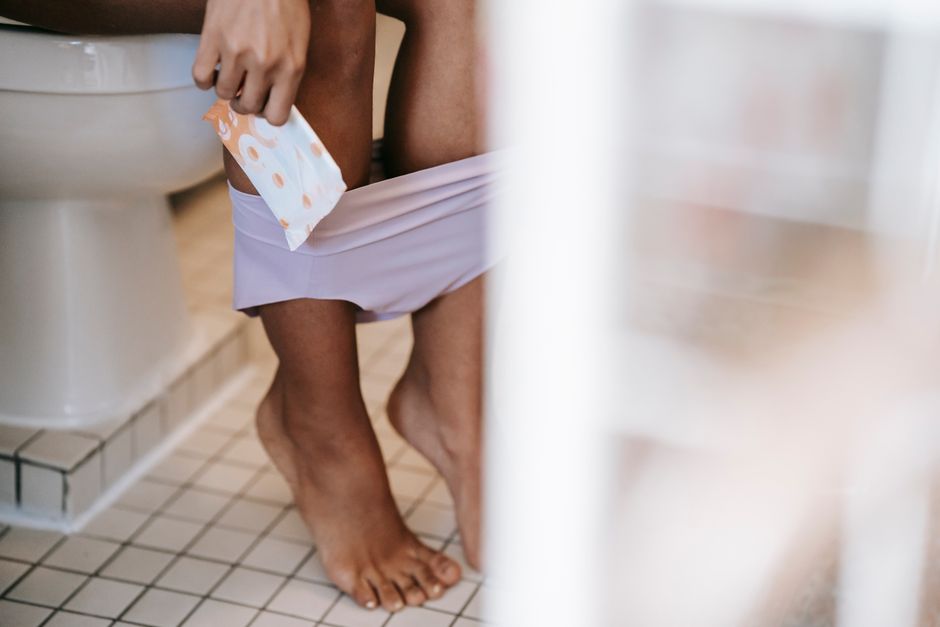
If you shiver and reach for a blanket right before or during your period, you are not imagining it. The chills you feel around menstruation usually come from shifting hormone levels, prostaglandins that trigger muscle contractions, or a mild rise in body temperature that happens in the days before bleeding starts. For most people this is a normal hormonal effect. In some cases, though, chills can point to something that needs a doctor’s attention, so it helps to know the difference.
Why Do I Get The Chills On My Period?
Your body temperature does not stay flat all month. It rises slightly after ovulation and stays a bit higher through the second half of your cycle, then drops when your period begins. That shift alone can make you feel cold or clammy as your body adjusts.
The bigger driver is often prostaglandins. These are hormone-like compounds your uterus releases to help it contract and shed its lining. They are the same chemicals behind menstrual cramps. Prostaglandins can affect blood vessels and smooth muscle beyond the uterus, and some women notice a chilled, shaky, or flu-like feeling as levels rise.
Estrogen and progesterone are also falling fast in the days before your period. That rapid change can affect the part of your brain that helps regulate temperature, which is why some people feel cold, then hot, then cold again. The effect is real and fairly common. It is not a sign that something is wrong on its own.
What Do Period Chills Feel Like?
Most people describe a wave of cold that comes on with cramps or just before bleeding starts. You might shiver, get goosebumps, or feel like you cannot get warm even under a blanket. Some women notice cold hands and feet along with it.
The feeling is usually brief and lines up with the first day or two of your period, when prostaglandin levels are highest. It tends to ease as the flow settles. If your chills are mild and follow that pattern, they are most likely part of your normal cycle.
What matters is the pattern. Chills that are mild, brief, and tied to your period are one thing. Chills that come with a high fever, severe pain, or feeling generally unwell are another, and those deserve a closer look.
When Are Period Chills a Sign of Something Else?
Chills paired with fever are not a normal period symptom. Fever means your body is fighting an infection, and that changes the picture. A few conditions can cause chills around menstruation, and they are worth knowing about.
- Pelvic inflammatory disease (PID). An infection of the reproductive organs that can cause fever, chills, lower belly pain, and unusual discharge. It needs medical treatment.
- Urinary tract infection. More common in women, and can cause chills and fever along with burning or urgency.
- Endometriosis or severe cramps. Very intense pain can sometimes bring on sweating and chills, though this is less about infection and more about the body’s stress response.
- Anemia. Heavy periods can lower iron levels over time. Low iron can leave you feeling cold, tired, and short of breath.
- Thyroid changes. An underactive thyroid can make you feel cold more easily, and it can affect your cycle too.
This is where a simple rule helps. If chills come with a temperature of 100.4°F (38°C) or higher, severe pain, fainting, or foul-smelling discharge, see a doctor. Those are not typical period symptoms.
Could It Be Toxic Shock Syndrome?
Toxic shock syndrome (TSS) is rare but serious, and it is linked to tampon use. It is caused by bacterial toxins, and it can come on fast. A sudden high fever, chills, rash, vomiting, and feeling very unwell are warning signs.
TSS is uncommon, and using tampons correctly lowers the risk. Change them as directed on the package, use the lowest absorbency that works for your flow, and do not leave one in longer than recommended. If you have a sudden high fever and feel very sick while using a tampon, remove it and get medical help right away. This is not a wait-and-see situation.
Most period chills are nothing like this. But knowing the warning signs matters, because TSS moves quickly and early treatment works best.
How Can I Manage Period Chills at Home?
For ordinary cycle-related chills, simple comfort measures usually help. Warmth, rest, and steady fluids go a long way. None of these treat a medical problem, but they ease the everyday version.
- Use a heating pad or warm blanket on your lower belly or back.
- Drink warm fluids and stay hydrated.
- Wear layers you can add or remove as your temperature shifts.
- Try gentle movement, which can ease cramps and improve circulation.
- Over-the-counter pain relievers can lower prostaglandin activity and ease both cramps and the chilled feeling, when used as directed.
If chills keep showing up every cycle and disrupt your day, it is reasonable to bring it up with your doctor. Tracking your symptoms for a couple of months gives them useful information. There is no single treatment aimed at period chills specifically, so care usually focuses on the underlying cause if one is found.
How Do I Know If My Chills Are Normal?
Normal period chills are mild, brief, and follow a predictable pattern. They show up around the start of your period and fade within a day or two. You feel basically well otherwise, just cold and a little uncomfortable.
Chills that break the pattern are the ones to question. Watch for chills with fever, chills that last for days, chills with severe pain, or a general feeling of being unwell. Those are reasons to check in with a clinician rather than wait it out.
One thing worth knowing: feeling cold is not the same as having a low body temperature. Your core temperature is usually normal or slightly elevated around your period. The cold feeling comes from how your body senses and regulates temperature, not from actually being too cold. That distinction helps explain why a blanket feels good even when your thermometer reads normal.
Does Birth Control Affect Period Chills?
Hormonal birth control can change both your cycle and the symptoms around it. Because it alters hormone levels and can thin the uterine lining, some women notice lighter periods and fewer cramps. Fewer cramps often means less of the prostaglandin-driven chilled feeling.
The effect varies a lot from person to person. Some women find their period symptoms ease on hormonal birth control. Others notice new or different symptoms. There is no single expected response, and the evidence does not support one method as best for period-related chills. If you are considering a change, talk it through with your doctor.
When Should I See a Doctor?
See a doctor if chills come with a fever of 100.4°F (38°C) or higher, severe or worsening pain, fainting, unusual discharge, or a feeling that something is wrong. Those signs point away from a normal cycle and toward something that needs checking.
Also check in if period chills are getting worse over time, if they interfere with work or sleep, or if you have heavy bleeding that leaves you tired and cold between periods. Heavy periods can lead to iron deficiency over time, and that is treatable once it is identified.
You know your body best. If a symptom feels off compared with your usual cycles, that is reason enough to ask. Most of the time period chills are a normal hormonal effect. When they are not, the causes are ones a doctor can help you sort out.
Frequently Asked Questions
Why do I get chills the day before my period?
Falling estrogen and progesterone in the days before your period can affect the part of your brain that regulates temperature, which may cause a chilled feeling. Rising prostaglandins as your period approaches can add to it.
Are chills a normal PMS symptom?
Mild, brief chills can be a normal part of PMS for some women, usually tied to hormone shifts and prostaglandins. Chills with fever, severe pain, or feeling generally unwell are not typical and should be checked by a doctor.
Can period chills be a sign of infection?
Yes, chills paired with fever can signal an infection such as pelvic inflammatory disease or a urinary tract infection. A temperature of 100.4°F (38°C) or higher with chills is a reason to seek medical care.
Should I worry about chills during my period?
Most period chills are harmless and ease within a day or two. Worry is reasonable when chills come with high fever, severe pain, fainting, or unusual discharge, since those point to a cause that needs treatment.
