
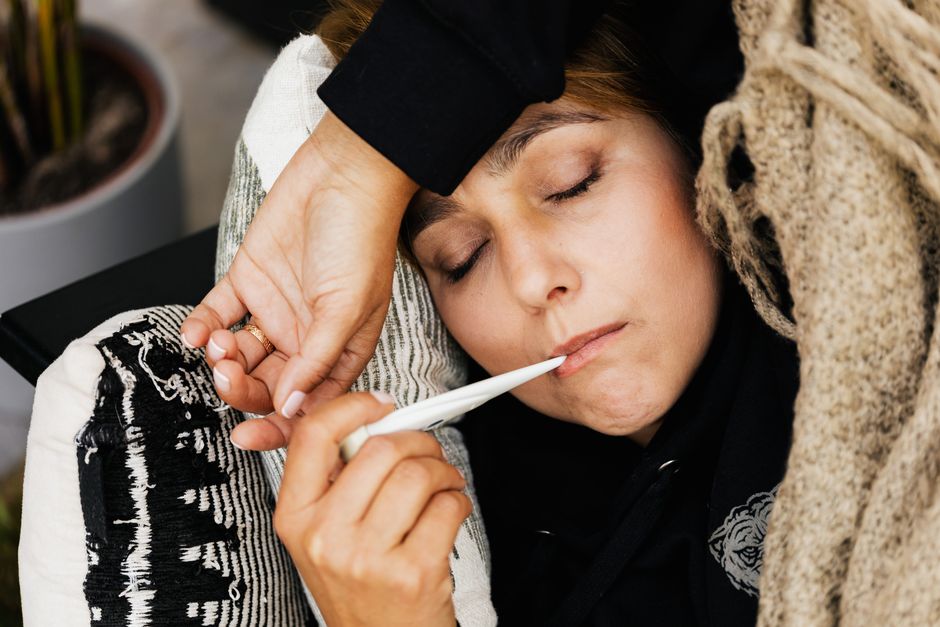
Feeling cold when everyone around you is comfortable is frustrating. It can also be a real clue about what is happening inside your body. If you constantly reach for a sweater while others wear short sleeves, your internal thermostat may be off. The most common medical reasons for this persistent chill include an underactive thyroid, anemia, and poor blood circulation. These conditions affect how your body generates heat or delivers it to your skin, and understanding the difference is the first step toward feeling warm again.
What Does Your Body Do to Stay Warm?
Your body works hard to keep its core temperature near 98.6°F (37°C). This is not a random number. It is the temperature at which your enzymes and organs function best.
When your core temperature drops even slightly, your brain sends signals to warm you up. Your blood vessels narrow, a process called vasoconstriction. This pulls blood away from your skin and extremities to protect your vital organs. That is why your hands and feet get cold first. Your muscles also contract rapidly, which is what we call shivering. Shivering generates heat through muscle activity.
This system relies on a steady supply of fuel and proper signaling. When thyroid hormone levels are low, or when your blood cannot carry enough oxygen, this heating system slows down. The result is the same: you feel cold even in a warm room.
Why Do I Get So Cold Thyroid Anemia And More?
Thyroid disease and anemia are the two most common culprits behind chronic coldness. But they are not the only ones. Circulatory issues, low body weight, and certain medications also play a role.
Your thyroid gland acts like a thermostat for your metabolism. It produces hormones that tell your cells how fast to burn energy. When it produces too little hormone, a condition called hypothyroidism, your metabolic rate slows. A slower metabolism means less heat production. You feel cold, tired, and sluggish. Your skin may also become dry and your hair may thin.
Anemia is a different problem. In anemia, your blood does not carry enough oxygen to your tissues. Oxygen is essential for cellular energy production, and that process generates heat as a byproduct. Without enough oxygen, your cells produce less heat. Cold hands and feet are a classic symptom, along with fatigue, pale skin, and shortness of breath.
These two conditions often overlap. Many people with hypothyroidism also develop anemia. Treating one without addressing the other may leave you still feeling cold.
How Does Hypothyroidism Cause Cold Intolerance?
Hypothyroidism is one of the most well-established causes of cold intolerance. The thyroid gland, located in your neck, produces thyroxine (T4) and triiodothyronine (T3). These hormones regulate the speed of your metabolism.
When thyroid hormone levels are low, every cell in your body slows down. Your heart rate drops. Your digestion slows. Your body produces less heat. This is why feeling cold is often one of the first symptoms people notice before they are diagnosed.
A blood test called TSH (thyroid-stimulating hormone) is the standard screening tool. A high TSH level usually means your thyroid is underactive. Your brain is producing more TSH to try to stimulate a sluggish thyroid gland. Normal TSH levels generally fall between 0.4 and 4.0 mIU/L, though the exact range varies by laboratory.
Treatment involves synthetic thyroid hormone, usually levothyroxine. This medication replaces the hormone your body is missing. Most people notice improvement in cold intolerance within a few weeks of starting treatment. It is not a quick fix, but it is a highly effective one for most patients.




What Type of Anemia Makes You Cold?
Iron deficiency anemia is the most common type, but it is not the only one. Vitamin B12 deficiency and folate deficiency can also cause anemia and cold sensitivity.
In iron deficiency anemia, your body lacks the iron needed to make hemoglobin. Hemoglobin is the protein in red blood cells that carries oxygen. Without enough iron, your red blood cells become smaller and paler. They cannot transport oxygen efficiently.
Vitamin B12 deficiency causes a different problem. B12 is essential for producing healthy red blood cells. Without it, your body produces larger, immature red blood cells that do not work properly. This condition is called pernicious anemia when it is caused by an inability to absorb B12 from food.
Cold intolerance in anemia is directly linked to reduced oxygen delivery. Your tissues need oxygen to produce energy, and energy production creates heat. Less oxygen means less heat. This is a straightforward biological chain of events.
Could Poor Circulation Be the Real Issue?
Sometimes the thyroid and blood counts are perfectly normal, yet you still feel cold. In these cases, circulation may be the problem.
Your blood carries heat from your core to your skin. If your blood vessels are narrow or your heart is not pumping efficiently, that heat never reaches your extremities. You feel cold, even though your core temperature is normal.
Several conditions cause this. Raynaud’s phenomenon causes blood vessels in the fingers and toes to overreact to cold or stress. They spasm and narrow dramatically, cutting off blood flow. The affected areas turn white, then blue, then red as blood flow returns.
Peripheral artery disease (PAD) is another cause. In PAD, fatty deposits narrow the arteries in your legs and feet. This reduces blood flow and can make your feet feel cold even in warm weather. PAD is more common in smokers and people with diabetes.
Low blood pressure can also contribute. When your blood pressure is low, blood moves more slowly through your body. Your extremities may not receive enough warm blood to stay comfortable.
When Should Coldness Be a Concern?
Occasional coldness is normal. If you are cold all the time, or if coldness comes with other symptoms, it is worth discussing with a doctor.
See a healthcare provider if you experience cold intolerance along with any of these signs:
- Fatigue that does not improve with rest
- Unexplained weight gain or difficulty losing weight
- Dry skin, brittle nails, or thinning hair
- Numbness, tingling, or color changes in your fingers or toes
- Shortness of breath during normal activities
- Dizziness or fainting
These symptoms point toward a specific underlying condition. A simple blood test can check your thyroid function, iron levels, vitamin B12, and blood sugar. Most causes of chronic coldness are treatable once they are identified.
Are There Other Reasons You Feel Cold?
Not every cause of cold intolerance shows up in a standard blood panel. Some people simply have less body fat or muscle mass. Fat acts as insulation, and muscle generates heat. People with very low body weight often feel cold because they lack both.
Certain medications can also cause cold sensitivity. Beta-blockers, used for high blood pressure and heart conditions, can reduce blood flow to the hands and feet. Some antidepressants and migraine medications have similar effects.
Diabetes can cause coldness through nerve damage. Diabetic neuropathy affects the nerves that control blood vessel diameter. When these nerves are damaged, blood flow to the extremities becomes erratic, and coldness is common.
Low blood sugar, or hypoglycemia, can also make you feel cold. When your blood sugar drops, your body releases stress hormones that cause blood vessels to narrow. This is a temporary effect that resolves once blood sugar returns to normal.
What Tests Should You Ask For?
If you are persistently cold, a doctor will likely start with basic blood work. The most informative tests include a complete blood count (CBC) and a thyroid panel.
The CBC checks your hemoglobin and hematocrit levels. Low hemoglobin confirms anemia. The thyroid panel measures TSH and often free T4. These two tests rule out the most common causes of cold intolerance.
Depending on your symptoms, your doctor may also order a ferritin test. Ferritin measures your body’s stored iron, which can be low even when your hemoglobin is normal. This is called iron deficiency without anemia, and it can cause coldness and fatigue on its own.
Vitamin B12 and folate levels are worth checking if you are vegetarian, vegan, or over 50. Absorption of B12 decreases with age, and deficiency is common in older adults.
If your blood tests are normal but you still feel cold, your doctor may consider circulation issues. A physical exam can check your pulse in your feet and hands. An ankle-brachial index test compares blood pressure in your ankle to blood pressure in your arm to screen for peripheral artery disease.
Frequently Asked Questions
Can low iron make you feel cold even without anemia?
Yes. Low iron stores, called iron deficiency without anemia, can cause cold intolerance and fatigue. A ferritin blood test measures your iron stores and can detect this condition before full anemia develops.
How quickly does thyroid medication stop cold intolerance?
Most people notice improvement within two to four weeks of starting levothyroxine. Full symptom relief may take six to eight weeks as hormone levels stabilize and your metabolism adjusts.
Is feeling cold a sign of diabetes?
It can be. Diabetes can cause nerve damage that affects blood flow to your hands and feet, making them feel cold. Low blood sugar episodes can also cause sudden coldness and shivering.
What is the fastest way to warm up when you have poor circulation?
Move your body. Gentle exercise like walking or marching in place gets blood flowing to your extremities. Avoid tight shoes or gloves that restrict circulation, and warm your core first with a warm drink or a heating pad on your abdomen.
Feeling cold all the time is not just a nuisance. It is a signal from your body that something may need attention. The most common causes — thyroid disease and anemia — are easily diagnosed with simple blood tests and highly treatable. If you have been cold for weeks or months, do not dismiss it. A conversation with your doctor and a few lab tests can give you the answer and, often, a path back to feeling warm.
