
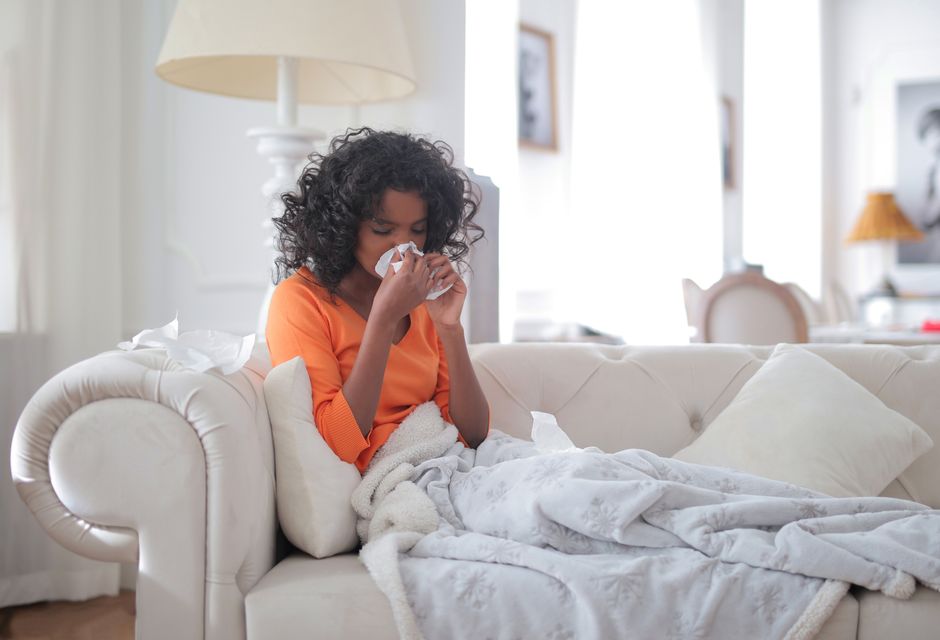
Seasonal illness patterns are real. Many people notice they get sick at the same time each year, and the reasons are often more predictable than they think. Your environment changes, your behaviors change, and your exposure to specific viruses follows a seasonal rhythm. Understanding why this happens can help you prepare, even if you cannot always prevent it.
Why Do I Get Sick Every Year At The Same Time?
The short answer is that different viruses peak during different seasons. Respiratory viruses like influenza and RSV surge in the fall and winter. Enteroviruses, which cause many summer colds, peak in late summer and early fall. Allergies can also mimic illness and follow a strict calendar based on pollen seasons.
Your immune system does not operate on a yearly clock. Instead, you are exposed to the same seasonal viruses year after year because they thrive under specific weather conditions and because people gather indoors during certain months. When your annual sickness arrives like clockwork, it is usually a seasonal virus following its normal pattern, not a quirk of your body.
What Viruses Are Active During Each Season?
In the United States, the respiratory virus season typically runs from October through April. Influenza cases usually peak between December and February. RSV, or respiratory syncytial virus, also peaks in the winter months but can start earlier in the fall, especially in children.
Rhinoviruses, which cause the common cold, are active year-round but have two distinct peaks. The first occurs in the early fall when school reopens. The second occurs in the spring. These peaks line up with children returning to classrooms and spreading viruses among their families.
Summer brings a different set of viruses. Enteroviruses, including coxsackievirus, peak between June and October. These viruses can cause fever, sore throat, and rash. They spread easily in warm weather, especially among children in camps or daycare.
Norovirus, the leading cause of vomiting and diarrhea, peaks in the winter months. It spreads rapidly in closed settings like cruise ships, nursing homes, and schools. Outbreaks commonly occur between November and April.
How Weather Affects Virus Survival
Cold air holds less moisture than warm air. When you breathe in dry winter air, the mucus lining in your nose and airways becomes drier and less effective at trapping viruses. This is one reason respiratory infections are more common in winter, not just because people stay indoors.
Influenza viruses survive longer in cold, dry conditions. Studies have shown that the flu virus remains infectious longer at lower temperatures and lower humidity. This gives the virus more time to spread from one person to another.
Some viruses have an outer lipid envelope that is more fragile in warm, humid conditions. Others, like rhinoviruses, are more stable and can survive in a wider range of temperatures. This explains why some viruses are strictly seasonal while others circulate all year.





Indoor Crowding and Airflow
When temperatures drop, people move indoors. Windows stay closed. Ventilation decreases. Airborne particles, including virus-laden droplets, accumulate in shared spaces. This increases the chance that one sick person infects several others.
Schools are a major driver of seasonal illness. When children return to school in the fall, they bring viruses home. Parents and siblings then get sick. This creates a predictable wave of illness that follows the school calendar more closely than the weather.
Workplaces follow a similar pattern. Flu season peaks during the winter when employees spend more time in shared indoor spaces. Holiday gatherings in November and December also bring people together across multiple households, giving respiratory viruses a chance to spread.
Allergies Can Mimic Repeated Illness
If you feel sick at the same time every year, allergies may be the cause. Seasonal allergies follow a strict pollen calendar. Tree pollen peaks in early spring. Grass pollen peaks in late spring and early summer. Ragweed pollen peaks in late summer and fall.
Allergy symptoms include sneezing, runny nose, congestion, and itchy eyes. These symptoms overlap with the common cold, making it easy to mistake allergies for a recurring illness. The key difference is that allergies do not cause fever and usually last for weeks rather than days.
If your “annual sickness” lasts longer than a typical cold and arrives at the exact same time each year, allergies are worth considering. An allergist can confirm this with skin testing or blood tests.
Your Immune System and Yearly Patterns
Your immune system does remember past infections. After you recover from a specific virus strain, you carry antibodies against it. This protection can last for months or years, depending on the virus. However, respiratory viruses mutate constantly, so last year’s immunity may not fully protect you against this year’s strain.
Influenza is the clearest example. The flu virus changes its surface proteins every year through a process called antigenic drift. Your immune system recognizes the virus from last season, but the changes are significant enough that your existing antibodies do not neutralize the new strain completely. This is why the flu vaccine is updated annually.
Other viruses, like rhinoviruses, have many different strains. You can catch a cold every year because you are encountering a slightly different version of the virus. Your body’s immune memory helps you recover faster, but it does not prevent infection entirely.
Stress and Sleep Patterns
Seasonal changes affect sleep and stress in ways that can influence your susceptibility to illness. Shorter winter days reduce sunlight exposure, which can affect mood and sleep quality. Chronic stress and poor sleep are both linked to reduced immune function.
Research consistently shows that people who sleep fewer than seven hours per night are more likely to catch a cold when exposed to a virus compared to those who sleep eight hours or more. The mechanism is not fully understood, but sleep appears to support the immune system’s ability to respond to infection.
This does not mean stress or sleep causes your annual illness. It means that if you are exposed to a seasonal virus, your body’s ability to fight it off may be weaker during periods of high stress or poor sleep. The virus still needs to be present in your environment.
Can You Prevent Seasonal Illness?
The annual flu vaccine is the most effective way to reduce your risk of influenza. It is recommended for everyone six months and older. The vaccine does not guarantee you will not get the flu, but it significantly reduces the chance of severe illness, hospitalization, and death.
Handwashing remains one of the simplest and most effective measures. Wash your hands with soap and water for at least 20 seconds, especially before eating and after being in public places. Alcohol-based hand sanitizer with at least 60% alcohol is a reasonable alternative when soap and water are not available.
Improving indoor ventilation can reduce the spread of airborne viruses. Opening windows when weather permits, using HEPA air purifiers, and running exhaust fans in bathrooms and kitchens all help. If you are sick, staying home and wearing a mask around others reduces the chance of spreading the virus.
For allergies, the most effective approach is to start medication before your symptoms typically begin. Antihistamines and nasal corticosteroids work best when taken consistently during the pollen season. An allergist can help you identify your specific triggers and develop a treatment plan.
When to See a Doctor
Most seasonal illnesses resolve on their own within one to two weeks. You should see a doctor if you have difficulty breathing, chest pain, confusion, or a fever that lasts more than three days. These symptoms may indicate a more serious infection that requires medical treatment.
If your “annual sickness” does not follow a typical cold or flu pattern, or if it lasts longer than two weeks, a doctor can help determine whether allergies, asthma, or another condition is responsible. Recurring symptoms at the same time each year are worth investigating, especially if they interfere with your daily life.
Frequently Asked Questions
Why do I always get sick in the same month?
Seasonal viruses peak at predictable times each year, so you are more likely to be exposed to the same virus at the same time annually. Your environment, school schedules, and indoor crowding all follow the same yearly pattern.
Can allergies make me feel sick every year?
Yes, seasonal allergies cause symptoms like congestion, sneezing, and fatigue that mimic a cold. If your symptoms last weeks and arrive at the exact same time each year, allergies may be the cause.
Does a weak immune system cause yearly sickness?
Not necessarily. Most people get sick at the same time each year because they are exposed to the same seasonal viruses, not because their immune system is weak. Repeated infections with different virus strains are normal.
Should I get the flu shot every year?
Yes, the flu vaccine is updated annually to match circulating strains and is recommended for everyone six months and older. It reduces your risk of flu and lowers the chance of severe illness.
