
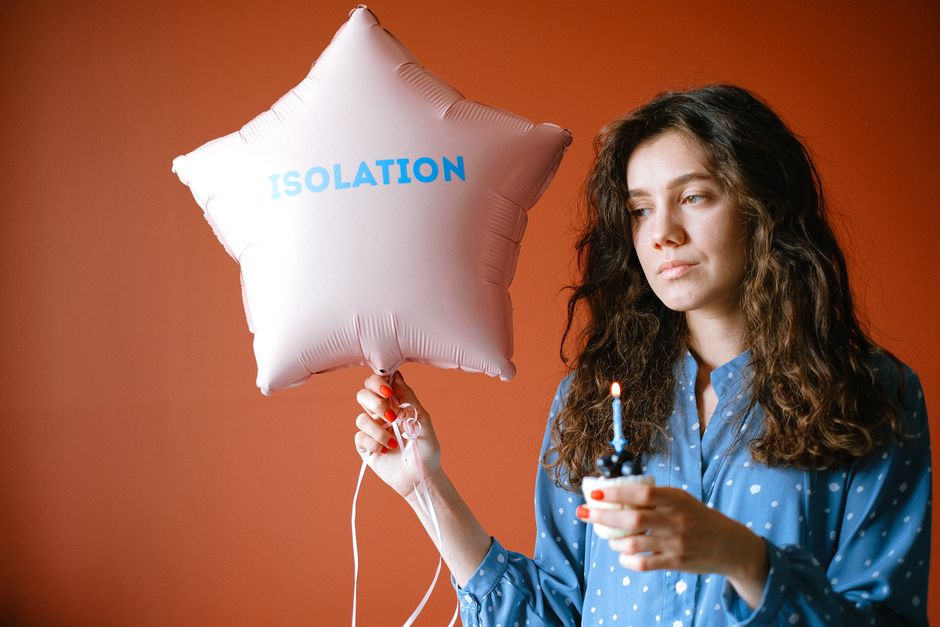
You expected to feel happy. Instead, the day arrives and you feel flat, tearful, or oddly heavy. Birthday sadness is real, and it is common. It usually comes from a mix of brain chemistry, personal history, and the way birthdays force us to measure our lives against expectations.
The short answer: birthdays act as a natural checkpoint. They push you to compare where you are with where you thought you would be. That comparison can trigger low mood even when nothing is actually wrong. Psychologists sometimes call this the “birthday blues,” and it is different from clinical depression. It tends to pass within a day or two. But it can also be a signal worth paying attention to.
Why Do I Get Sad On My Birthday The Blues Explained?
Your birthday is one of the few days each year that carries built-in meaning. It is not just another Tuesday. It is a marker.
Markers force evaluation. When you hit a milestone, your brain automatically pulls up a comparison: what did I expect by now versus what is actually true? This is a normal cognitive process, not a character flaw. Research on what psychologists call “social comparison” shows that people routinely measure themselves against imagined timelines for careers, relationships, and life achievements.
There is also a chemical layer. Anticipation and reward are tied to dopamine, a neurotransmitter involved in motivation and pleasure. When a day is loaded with expectation, the gap between what you hoped to feel and what you actually feel can be sharp. That gap itself can produce disappointment, even if the day was fine on paper.
Add nostalgia. Birthdays pull up memories, including ones tied to people who are no longer around or years that were harder than they looked from the outside. That mix of reflection and comparison is enough to lower mood for most people, at least briefly.
Is It Normal To Feel Sad On Your Birthday?
Yes. Feeling low on your birthday is common enough that it has a name in popular psychology. It is not a disorder, and it does not mean something is wrong with you.
The key distinction is duration and intensity. A rough birthday that lifts within a day or two is a normal emotional response to a meaningful event. Sadness that lingers for weeks, disrupts sleep, appetite, or daily function, or shows up around many events — not just birthdays — is worth discussing with a doctor or mental health professional.
One thing that surprises people: the sadness often has less to do with the birthday itself and more to do with what the birthday represents. It is a deadline your mind invented. You may not even realize you were holding that deadline until the day arrives and you feel the weight of it.
What Causes Birthday Depression?
There is no single cause. Most cases come from several factors stacking on the same day.
- Expectation gap: The difference between how you thought the day would feel and how it actually feels.
- Life review: Birthdays trigger a mental audit of goals, relationships, and progress.
- Loss and change: Reminders of people, places, or versions of yourself that are gone.
- Social pressure: The assumption that you should be surrounded by people and celebrating, which can make loneliness louder.
- Seasonal timing: For some people, a birthday that falls in darker months overlaps with seasonal mood changes.
- Alcohol: Drinking can lower mood in the hours after, even when it feels good in the moment.
None of these causes are permanent. They are situational triggers, and situational triggers tend to fade when the situation changes.
How Is Birthday Sadness Different From Depression?
This is the question that matters most, because the two can feel similar but are not the same thing.
Birthday sadness is tied to an event. It has a start and an end. It usually lifts within a day or two, and it does not change how you function for weeks at a time.
Clinical depression is different. It is defined by persistent symptoms lasting at least two weeks, most of the day, nearly every day. Those symptoms include low mood, loss of interest in things you used to enjoy, changes in sleep and appetite, fatigue, difficulty concentrating, and sometimes thoughts of death or self-harm.
If your low mood only shows up around your birthday and clears quickly, it is unlikely to meet the criteria for a depressive disorder. If it shows up in many contexts and does not lift, that is a different picture, and it deserves a professional evaluation.
| Feature | Birthday Blues | Clinical Depression |
|---|---|---|
| Trigger | Tied to a specific event | Often no clear trigger |
| Duration | A day or two | At least two weeks |
| Function | Mostly intact | Disrupted at work, home, or socially |
| Pattern | Recurs around the same event | Persistent across situations |
Does Everyone Get The Birthday Blues?
No, but more people do than admit it. There is no reliable national statistic on how many people feel sad on their birthdays, and you should be skeptical of any number you see online. What is well established is that milestone birthdays and life-review events can trigger low mood in a large share of people.
The people most likely to feel it are those going through a transition — a breakup, a job loss, a move, a health scare, or the loss of someone close. People who place high value on achievement and comparison also tend to feel it more sharply.
Age plays a role too, but not in the way most people assume. It is not that turning a specific number makes you sad. It is that certain numbers carry cultural weight — the ones that end in zero, the ones that mark a decade, the ones that society has decided mean something. If you did not grow up caring about those markers, you are less likely to feel the sting.
What Actually Helps When The Day Feels Heavy?
Nothing here is a prescription. These are patterns that many people find useful, and they are grounded in how mood and expectation work.
- Lower the stakes. If you expect the day to be transformative, it will almost always fall short. Expecting an ordinary day with a few good moments is more realistic and often feels better.
- Plan something small and specific. A walk, a meal you like, a call with one person who matters. Specific beats grand.
- Name what you are actually feeling. Sadness about a person, a year, or a goal is different from sadness about aging. Naming it usually shrinks it.
- Limit alcohol. It can deepen low mood in the hours after drinking, even when it feels good at the time.
- Move your body. Regular physical activity is associated with better mood in a large body of research, though the effect varies by person.
- Reach out, even briefly. Isolation tends to make the day heavier, not lighter.
If the sadness keeps returning every year and feels unmanageable, that is a signal worth taking to a doctor or therapist. It does not mean you are broken. It means the pattern deserves attention.
When Should You Talk To Someone?
Talk to a doctor or mental health professional if your low mood lasts more than two weeks, interferes with sleep, appetite, work, or relationships, or includes thoughts of harming yourself. Those are not birthday blues. They are symptoms that deserve proper evaluation.
You should also talk to someone if the birthday blues get worse each year, if you find yourself dreading the date weeks in advance, or if you are using alcohol or other substances to get through it. None of those are emergencies on their own, but they are worth addressing before they build.
If you are in crisis or having thoughts of suicide, contact the 988 Suicide and Crisis Lifeline in the US by calling or texting 988. That service is available 24 hours a day.
Frequently Asked Questions
Why do I cry on my birthday every year?
Recurring birthday crying usually comes from the same triggers each year: unmet expectations, life review, or reminders of loss. If it happens every year and feels intense, it is worth discussing with a therapist.
Is birthday depression a real diagnosis?
No. Birthday depression is not a recognized clinical diagnosis. It is a common experience of low mood tied to a specific event, and it is different from major depressive disorder.
How long do the birthday blues usually last?
For most people, the low mood lifts within a day or two after the birthday passes. Sadness that lasts longer than two weeks may point to something more than a situational reaction.
Can turning a certain age cause sadness?
The number itself does not cause sadness. What causes it is the meaning you attach to that number — the expectations, comparisons, and cultural weight around milestone ages.
