
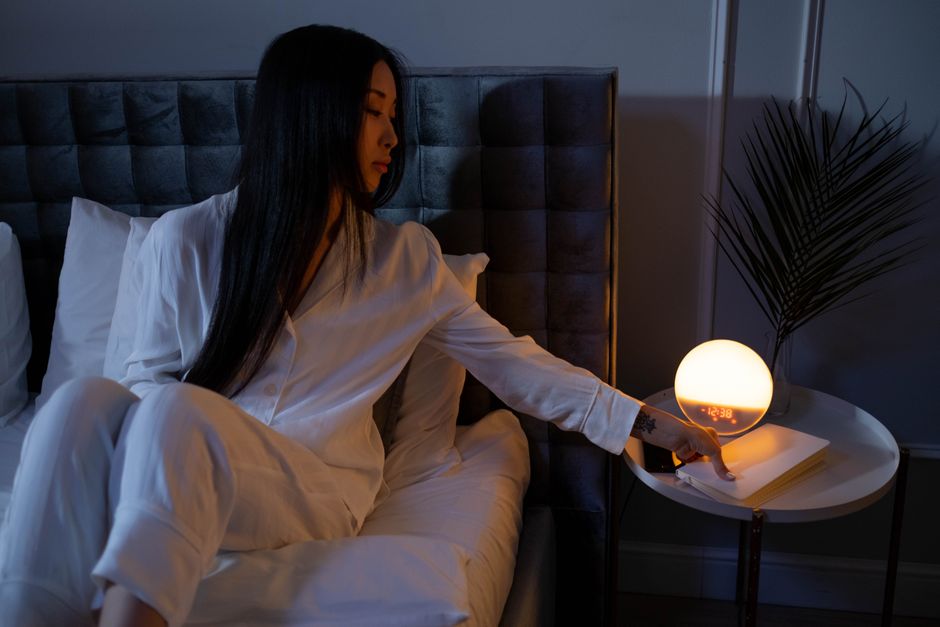
You are not alone if sadness creeps in as the sun goes down. This is a real biological and psychological pattern. Feeling sad at night happens because your brain chemistry changes, your defenses are lower, and you are alone with your thoughts in a way you are not during the day. The science behind it involves your natural body clock, the hormone cortisol, and how your brain processes emotions differently after dark. Understanding this is the first step to feeling better.
What Causes Sadness at Night Biologically?
Your body runs on a 24-hour internal clock called the circadian rhythm. As night approaches, this clock tells your brain to produce melatonin, the sleep hormone. At the same time, your stress hormone cortisol drops to help you wind down. Research published in the journal Sleep Medicine Reviews confirms that cortisol levels naturally fall by about 50 percent in the evening compared to morning peaks.
This drop in cortisol is good for sleep but bad for mood regulation. Cortisol helps you manage stress and stay emotionally steady. When it falls, your brain has less chemical support to push back against sad or anxious thoughts. Your prefrontal cortex — the part of your brain that helps you reason and stay calm — also becomes less active at night. This combination makes small worries feel bigger than they really are.
Melatonin itself may also play a role. Some studies suggest that melatonin can affect mood pathways in the brain. For some people, the natural rise in melatonin in the evening may contribute to feelings of low mood or sadness. This is not true for everyone, but it is a recognized effect in the scientific literature.
Why Your Mind Wanders More at Night
During the day, you are busy. You have work, family, errands, and conversations. Your brain is occupied with external tasks. At night, the distractions stop. You lie in bed with no input except your own thoughts. This is when the brain naturally turns inward.
Psychologists call this the “cognitive spotlight.” Without daytime noise, your mind focuses on unresolved issues, regrets, or worries. A 2019 study in Nature Human Behaviour found that people are more likely to engage in negative self-reflection late at night compared to morning. The study used smartphone surveys across 24 hours and found that negative mood and rumination peaked between 10 PM and 2 AM.
This is not a personal failing. It is a predictable pattern. Your brain is doing what it evolved to do — reviewing the day and scanning for problems. But without daytime distractions, the review turns into a loop. One sad thought leads to another, and before you know it, you are stuck.
How Light Exposure Changes Your Mood at Night
Light is a powerful mood regulator. Your eyes have special cells that detect light and send signals to your brain’s mood centers. These cells are most sensitive to blue light, which is abundant in sunlight and also in phone, tablet, and computer screens.
At night, your brain expects darkness. When you stare at a bright screen, it confuses your internal clock. Your brain thinks it is still daytime. Melatonin production gets delayed. Cortisol stays higher than it should. This pushes your emotional state into a daytime stress mode — but your body is also trying to rest. The conflict can leave you feeling wired, sad, and unable to sleep.
The American Academy of Sleep Medicine recommends avoiding screens for at least 30 minutes before bed. Research from the National Sleep Foundation shows that people who use screens in bed report significantly higher rates of depressed mood. The effect is not huge for everyone, but for people already prone to nighttime sadness, screen use can make it worse.





What Does Research on Nighttime Sadness and Mental Health Show?
Clinical depression often follows a daily pattern called diurnal variation. For many people with depression, mood is worst in the morning and improves as the day goes on. But for others, mood gets worse at night. A large 2020 study in JAMA Psychiatry found that about 30 percent of people with major depressive disorder experience their worst symptoms in the evening.
Even people without clinical depression can experience nighttime sadness. The research is clear that negative affect — the technical term for feeling bad — follows a circadian rhythm. A 2021 meta-analysis in Psychological Bulletin reviewed 48 studies and found that negative mood peaks in the late evening for most people, regardless of whether they have a diagnosed mental health condition.
This does not mean nighttime sadness is a disorder. It means it is a normal part of how human emotions work over 24 hours. The problem comes when nighttime sadness becomes severe, lasts all night, or starts to affect your daytime function. That is when it may signal something more serious.
Practical Steps That Actually Help
Knowing the science is useful only if it leads to action. Here are evidence-based strategies that target the specific causes of nighttime sadness.
- Dim lights two hours before bed. This signals your brain to produce melatonin naturally. Use warm, dim lights instead of bright overheads. Your brain needs the visual cue that the day is ending.
- Write down worries before bed. A 2018 study in Journal of Experimental Psychology found that writing a to-do list or worry list before bed helped people fall asleep faster. It offloads the mental burden from your brain to paper.
- Stop screens 30 minutes before sleep. If you cannot avoid screens entirely, use night mode settings that reduce blue light. But physical distance from screens works better than software filters.
- Get morning sunlight. Bright light in the morning strengthens your circadian rhythm. This makes your body more ready for darkness at night. A 2017 study in JAMA Psychiatry found that morning light therapy improved mood and sleep in people with depression.
These steps do not fix everything. But they address the root causes — falling cortisol, lack of distraction, and disrupted light signals. They are low risk and cost nothing. Try them for two weeks and see if your nighttime sadness changes.
When Nighttime Sadness Needs Professional Attention
Occasional sadness at night is normal. But there are clear signs that it may be something more. If you experience any of the following, talk to a doctor or mental health professional.
| Symptom | What It May Indicate |
|---|---|
| Sadness every night for two weeks or more | Possible depressive episode |
| Waking up early and unable to fall back asleep | Common in depression and anxiety |
| Thoughts of self-harm or suicide | Emergency — call 988 or go to ER |
| Nighttime sadness that makes daytime function hard | May need therapy or medication |
| Feeling physically restless or slowed down at night | Possible bipolar spectrum pattern |
If nighttime sadness is interfering with your life, do not dismiss it. The same biological mechanisms that cause normal nighttime sadness can become exaggerated in mood disorders. Treatment works. Cognitive behavioral therapy and light therapy both have strong evidence for improving circadian-related mood problems.
Common Misconceptions About Nighttime Sadness
A popular idea online is that nighttime sadness is caused by “repressed emotions” surfacing. There is no clinical evidence for this. The brain does not store emotions in a hidden vault that opens at night. What happens is simpler: your brain has fewer distractions and less biological support to regulate mood. The emotions you feel at night are the same ones you feel during the day — they just feel stronger because your filters are down.
Another myth is that eating sugar before bed causes nighttime sadness. Sugar can affect sleep quality, and poor sleep can worsen mood. But there is no direct mechanism by which sugar itself causes sadness hours later. The connection is indirect and small. Blaming a single food for a complex emotional pattern is not supported by research.
Some people also believe that melatonin supplements cause depression. This is widely claimed but strong evidence is limited. The American Academy of Sleep Medicine states that melatonin is generally safe for short-term use. For some people, melatonin may slightly lower mood, but this is not a consistent effect. If you take melatonin and feel worse, stop and talk to your doctor. But do not assume melatonin is the cause of your nighttime sadness without testing it.
Frequently Asked Questions
Is it normal to feel sad every night?
Occasional nighttime sadness is normal due to natural drops in cortisol and fewer distractions. If it happens every night for two weeks or more, it may indicate a mood disorder that needs professional evaluation.
Can blue light from phones cause nighttime sadness?
Blue light can disrupt melatonin and confuse your internal clock, which may worsen mood. Avoiding screens before bed helps reduce this effect.
Does melatonin make you sad?
Some people report feeling low mood after taking melatonin, but strong evidence is limited. If you notice sadness after taking it, stop and talk to your doctor.
What is the best way to stop feeling sad at night?
Dim lights early, write down worries, avoid screens before bed, and get morning sunlight. These address the biological and psychological causes directly.
