
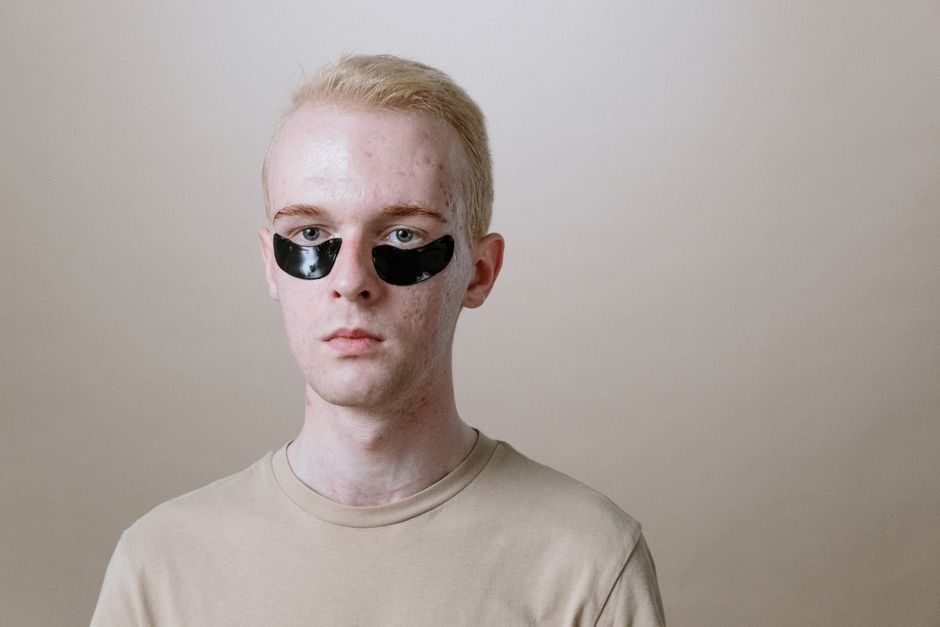
You’re not imagining it — pimples can appear on your back, chest, shoulders, or arms even when your face stays clear. The reason comes down to anatomy: your body has far more sebaceous (oil) glands than your face does, and those glands sit inside hair follicles that can clog, inflame, and turn into a pimple. A random pimple on your body is usually the result of oil, dead skin cells, and bacteria interacting inside a single follicle — not a sign that something is fundamentally wrong with your health.
That said, “random” breakouts often have a pattern once you look closely. Where the pimple shows up, what you were wearing, how much you sweat, and what touched your skin that day all shape whether a follicle becomes inflamed.
Why Do I Get Random Pimples On My Body?
A pimple forms when a hair follicle gets blocked. Each follicle contains a sebaceous gland that produces oil to lubricate your skin and hair. When dead skin cells shed normally, they exit the follicle. When they stick together with excess oil, they plug the opening.
Once a follicle is plugged, the bacterium Cutibacterium acnes — which lives on everyone’s skin as part of the normal microbiome — can multiply inside the blocked space. Your immune system responds with inflammation. That inflammation is what you see as redness, swelling, and pus.
This process is the same whether the pimple is on your face or your back. What differs is the environment. The skin on your back and chest has larger, more active oil glands than most of your face. It also sits under clothing all day, which traps heat, sweat, and friction against the skin.
So a “random” body pimple is rarely random. It is a follicle that reached its tipping point — often because several small factors lined up at once.
What Causes Pimples On Your Back And Chest Specifically?
The back and chest are the two most common sites for body acne in adults. Both areas have dense concentrations of sebaceous glands, and both spend most of the day covered.
Heat and sweat are major contributors. When you sweat and that moisture stays against your skin, the outer layer of skin softens and swells. Swollen skin can narrow or close a follicle opening, trapping oil and cells inside. This is why breakouts often show up after a workout, a hot day, or time spent in a humid climate.
Friction makes it worse. A backpack strap, a tight sports bra, a waistband, or a collared shirt rubs against follicles repeatedly. That mechanical irritation can inflame a follicle that was already partly blocked.
There’s a name for this pattern when it’s triggered by heat and friction: acne mechanica. It is not caused by poor hygiene. It is caused by physical conditions acting on the skin.
Is It Acne Or Something Else?
Most body bumps are ordinary acne. But not all of them, and the difference matters because the treatments are different.
Two conditions are commonly mistaken for body acne:
- Folliculitis — inflammation or infection of the follicle itself, often from bacteria, fungus, or irritation. It tends to look like small red bumps or pus-filled heads clustered in one area, sometimes itchy.
- Keratosis pilaris — rough, small bumps on the upper arms, thighs, or buttocks caused by keratin plugging follicles. It usually feels like sandpaper and is not typically red or painful.
Fungal folliculitis (sometimes called “fungal acne,” though it is not acne) often appears on the chest and back in itchy, uniform bumps. It can look nearly identical to bacterial acne. A clinician can usually tell them apart by appearance and history, and sometimes by a skin scraping.
If bumps are itchy, clustered, unresponsive to standard acne care, or accompanied by fever or spreading redness, that’s a reason to have them looked at rather than guessing.





What Everyday Habits Trigger Body Breakouts?
Several common habits reliably worsen body acne, and they’re worth knowing because they’re easy to change.
- Staying in sweaty clothes. Showering and changing soon after sweating reduces the time oil and bacteria sit against your skin.
- Harsh scrubbing. Vigorous washing with rough cloths or exfoliating scrubs damages the skin barrier and can inflame follicles further.
- Comedogenic products. Heavy body lotions, oils, and some sunscreens can clog follicles. Look for products labeled non-comedogenic.
- Friction from gear. Straps, tight clothing, and helmets create repeated pressure on specific spots.
- Certain hair products. Leave-in conditioners and oils that run down the back or neck can contribute to breakouts along the hairline and upper back.
None of these causes acne on their own in most people. They act as triggers on skin that is already prone to clogging.
Do Hormones Cause Body Pimples In Adults?
Yes, and this is one of the most common reasons adults in their 30s, 40s, and 50s suddenly develop body breakouts.
Sebaceous glands are directly controlled by androgens — hormones like testosterone that both men and women produce. When androgen levels shift, oil production increases. That shift can happen during puberty, around menstrual cycles, during perimenopause and menopause, and with certain medical conditions such as polycystic ovary syndrome (PCOS).
This is why body acne often appears or worsens at predictable life stages rather than randomly. In women, breakouts on the jawline, back, and chest are commonly linked to hormonal fluctuation.
Stress is often mentioned as a cause. The evidence here is more modest than people assume. Stress can influence hormones and inflammation, and some studies suggest a link to acne severity, but the relationship is not as direct or as strong as it’s often presented. It’s a contributing factor, not usually the primary driver.
When Should You See A Doctor About Body Acne?
Most body acne can be managed at home. Some situations warrant a medical visit.
See a clinician if:
- Bumps are deep, painful, or form nodules or cysts
- You’re developing scars or dark marks that persist
- Over-the-counter treatments haven’t helped after a reasonable trial
- Breakouts are sudden and severe, especially with other symptoms
- The bumps are itchy and don’t respond to acne treatments — this may point to folliculitis rather than acne
Deep nodules and cysts carry a higher risk of scarring, and scarring is permanent. That’s the main reason not to wait too long on severe cases.
What Actually Helps Body Acne?
Standard acne treatments work on the same principles whether the pimple is on your face or your back.
Over-the-counter options include benzoyl peroxide, which reduces C. acnes bacteria and helps unclog follicles, and salicylic acid, which helps shed dead skin cells inside the follicle. Both are well established for mild acne.
For moderate to severe body acne, clinicians commonly prescribe topical retinoids, which normalize how follicles shed cells, or oral antibiotics for a limited course. In some cases, particularly for hormonal acne in women, other prescription options are used.
One honest caveat: body skin is thicker and often more resistant than facial skin, so results can take longer. Improvement typically takes several weeks, not days, and consistency matters more than intensity.
What doesn’t have strong evidence: extreme diets, detoxes, and most “acne supplement” marketing. Some limited research has looked at dairy and high-glycemic diets and acne, but findings are mixed and no diet has been shown to reliably clear body acne on its own.
Frequently Asked Questions
Why do I suddenly get pimples on my body as an adult?
Adult body breakouts most often trace to hormonal shifts that increase oil production, combined with heat, sweat, and friction from clothing. If breakouts are sudden and severe, it’s worth having them evaluated.
Are body pimples a sign of poor hygiene?
No. Body acne is caused by blocked follicles, oil, and inflammation — not by being dirty. In fact, over-washing and scrubbing can make it worse by irritating the skin.
How can I tell if it’s acne or folliculitis?
Acne and folliculitis can look nearly identical, so appearance alone isn’t always enough to tell them apart. Itchy, clustered bumps that don’t improve with standard acne treatment are more likely folliculitis and should be checked by a clinician.
Do I need to see a doctor for body acne?
See a clinician if bumps are deep, painful, forming cysts, or leaving scars, or if over-the-counter treatments haven’t helped. Deep acne carries a higher risk of permanent scarring, which is the main reason not to delay.
