
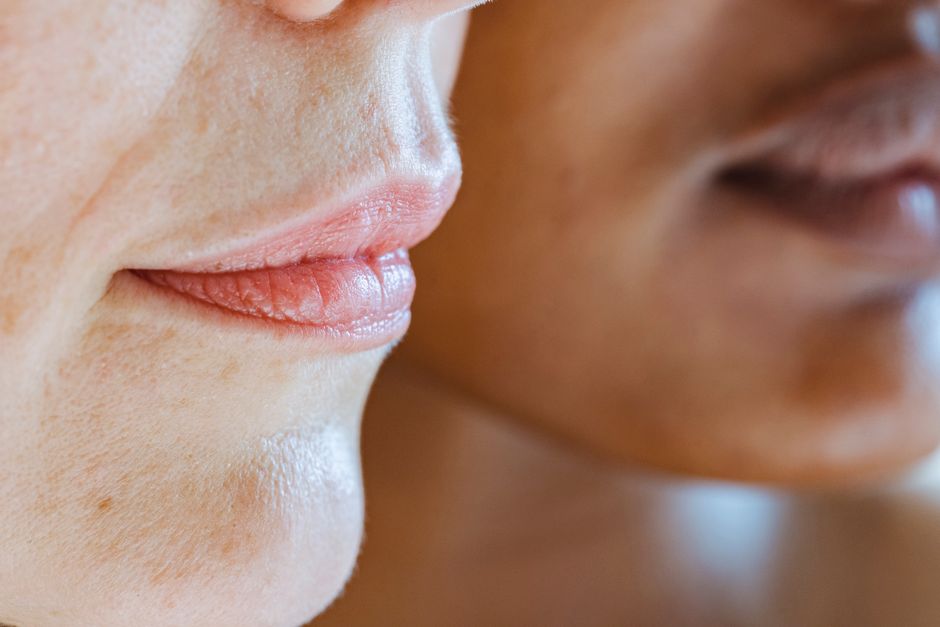
A pimple on the edge of your lip is almost always a blocked hair follicle or oil gland. The skin around the mouth has many oil glands, and when dead skin cells, oil, or bacteria get trapped, it forms a red, tender bump. Unlike a cold sore, which is a viral infection, a pimple is a bacterial and inflammatory issue that is not contagious.
What Causes Pimples on the Edge of the Lips?
The lip border is a transition zone. It sits between the thin skin of the lips and the thicker skin of the face. This area has a high concentration of sebaceous glands, which produce oil. When that oil mixes with dead skin cells, it can clog the pore.
Bacteria called Cutibacterium acnes naturally live on the skin. When a pore gets blocked, these bacteria multiply. The immune system responds, causing redness, swelling, and pus. This is the classic pimple.
Several everyday habits make this area more prone to breakouts. Resting your chin or cheek on your hand transfers oils and dirt to the lip edge. Lip balms and glosses can also trap debris if they are not removed properly at night.
Is It a Pimple or a Cold Sore?
People often confuse pimples with cold sores because they appear in the same spot. They are completely different conditions. A pimple is a bacterial blockage. A cold sore is caused by the herpes simplex virus (HSV-1).
Look at the timeline and the appearance. A cold sore usually starts with a tingling or burning sensation a day before anything is visible. It then forms a cluster of tiny, fluid-filled blisters that eventually crust over. A pimple typically appears suddenly as a single, raised bump without that initial tingling.
Cold sores are contagious and can spread to other people through direct contact. Pimples are not contagious. If you are unsure, wait 24 hours. Cold sores progress quickly through the blister stage. Pimples stay as a single bump and come to a white head.
Why Do They Keep Coming Back in the Same Spot?
Recurring pimples at the exact same location on the lip edge are common. The pore in that spot may be damaged or stretched out from previous breakouts. Once a pore is enlarged, it is easier for oil and debris to collect there again.
Another reason is repeated physical irritation. If you frequently bite your lip, touch that area, or wipe your mouth with a napkin, you are stimulating the oil glands. This friction can trigger a new blockage in that same follicle.
Some research suggests that the skin microbiome in a previously inflamed pore may be altered. The bacterial balance does not fully return to normal, making that follicle more vulnerable to future blockages.
How to Treat a Pimple on the Lip Edge Safely
Do not pop it. The skin at the lip border is thin and delicate. Popping a pimple here can push bacteria deeper into the skin, causing a larger, more painful infection. It also increases the risk of scarring in a highly visible area.
Use a spot treatment containing benzoyl peroxide or salicylic acid. Benzoyl peroxide kills bacteria and reduces inflammation. Salicylic acid helps exfoliate the dead skin cells blocking the pore. Apply a thin layer directly to the bump once or twice daily.
Keep the area clean. Wash your face with a gentle cleanser twice a day. Avoid scrubbing the lip edge, as that can spread bacteria and worsen irritation. Pat the area dry with a clean towel.
If the pimple is painful and swollen, a warm compress can help. Soak a clean cloth in warm water, wring it out, and hold it against the bump for 10 minutes. This can help draw the pus closer to the surface, allowing it to drain naturally on its own.
Can Lip Balm Cause Pimples on the Lip Edge?
Yes, some lip products can contribute to breakouts. This is called acne cosmetica. It happens when ingredients in cosmetics or lip care products clog the pores. Thick, waxy balms and high-shine glosses are the most common culprits.
Look for products labeled “non-comedogenic.” This means the product is formulated to not block pores. However, this claim is not strictly regulated, so it is not a guarantee. Pay attention to how your skin reacts to a new product.
Check the ingredient list for heavy oils and waxes. Ingredients like cocoa butter, coconut oil, and petroleum jelly are very occlusive. They create a barrier that can trap oil and dead skin against the pore opening. If you notice breakouts after using a new balm, stop using it for a week and see if the pimples clear.
Also consider your toothpaste. Toothpaste can drip onto the lip edge while brushing. Some toothpaste ingredients, like sodium lauryl sulfate, can irritate the skin and clog pores. Rinse your mouth thoroughly after brushing and wipe any excess toothpaste off your lips.
When to See a Doctor
Most pimples on the lip edge resolve on their own within a few days to a week. See a doctor or dermatologist if the bump does not improve after two weeks of home treatment. Also seek medical advice if the area becomes increasingly painful, swollen, or warm to the touch.
These signs could indicate a bacterial skin infection called impetigo or a boil that requires prescription treatment. If you get frequent, painful breakouts in this area, a dermatologist can prescribe a topical antibiotic or a retinoid to manage the condition.
If the bump is hard, painless, and does not go away for several weeks, it may not be a pimple. It could be a sebaceous gland hyperplasia, which is an enlarged oil gland, or another type of benign skin growth. A doctor can examine it and confirm the diagnosis.
How to Prevent Pimples on the Lip Edge
Prevention focuses on reducing pore blockages and limiting irritation. Cleanse your face daily, especially after sweating. Sweat mixes with oil and can increase the chance of a blocked pore.
Change your pillowcase regularly. Pillowcases collect oil, dead skin, and bacteria from your face and hair. Sleeping on a dirty pillowcase presses those substances back into your skin. Washing your pillowcase once a week can make a noticeable difference.
Be mindful of how often you touch your face. Your hands carry dirt and bacteria all day. Every time you rest your chin on your hand or rub your lips, you are transferring those materials to the delicate skin at the lip edge.
Use lip products sparingly and remove them before bed. Sleeping with lip balm on is fine, but sleeping with a thick layer of a heavy product may contribute to clogged pores. Wash your face and apply a thin layer of a lighter balm if needed.
If you smoke, this area is also more prone to breakouts. The repeated contact of the cigarette with the lip edge, combined with the heat and chemicals, can irritate the skin and stimulate oil production. Quitting smoking has many skin benefits, including fewer breakouts around the mouth.
Frequently Asked Questions
Can toothpaste cause pimples on the edge of my lips?
Yes, toothpaste can contribute to breakouts in this area. Ingredients like sodium lauryl sulfate can irritate the skin, and the paste can block pores if it drips onto the lip edge and is left there.
How long does a pimple on the lip edge last?
A typical pimple lasts about 5 to 7 days from the time it appears until it heals. With consistent use of a spot treatment, the inflammation may reduce faster, but the full healing process still takes about a week.
Is it safe to pop a pimple on the edge of my lip?
No, you should not pop it. The skin is thin and delicate here, and popping increases the risk of infection, pain, and permanent scarring in a highly visible location.
What is the difference between a pimple and a cold sore on the lip?
A pimple is a blocked pore caused by oil, dead skin, and bacteria. A cold sore is a viral infection caused by HSV-1, and it usually starts with a tingling sensation followed by small fluid-filled blisters.
