
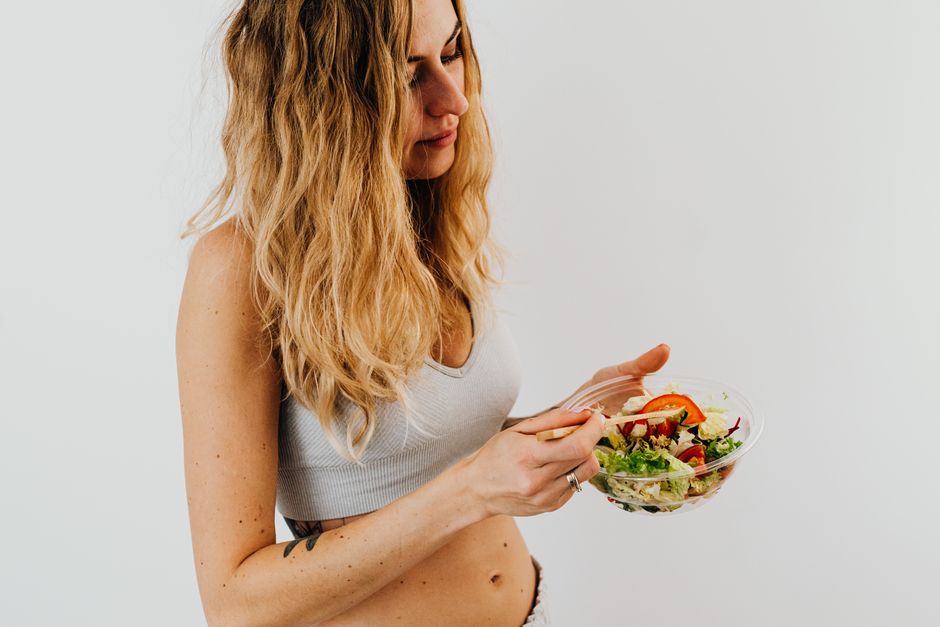
Feeling a sudden surge of terror right after a meal is frightening and confusing. You might feel your heart race, your chest tighten, or a wave of dizziness that makes you think something is seriously wrong. This is not “all in your head” in a dismissive sense; it is a real physical and psychological response. Panic attacks after eating happen because the act of digesting food triggers significant changes in your body—changes in blood flow, blood sugar, and hormone levels—that can mimic or trigger the exact sensations of a panic attack, especially in people who are already prone to anxiety.
What Happens in Your Body After You Eat?
The digestive process is a major event for your body. When you eat, your body redirects blood flow toward your stomach and intestines to help break down food. This is a normal, necessary process. However, this shift in blood flow can cause a temporary drop in blood pressure in other parts of the body. For some people, this drop is enough to make them feel lightheaded or dizzy.
Your body also releases hormones to manage the incoming nutrients. Insulin rises to help move sugar into your cells. This can cause blood sugar levels to fluctuate. If your blood sugar dips too quickly after a meal, a condition called reactive hypoglycemia, you can experience shakiness, sweating, and a rapid heartbeat. These are physical sensations that are nearly identical to the early signs of a panic attack.
Your brain cannot always tell the difference between a physical symptom and a psychological threat. When it senses your heart pounding or your hands shaking, it may interpret those signals as danger. This triggers the fight-or-flight response, which then fuels more adrenaline, making the panic attack worse. It becomes a feedback loop: the food causes a physical change, you notice it, your brain panics, and the panic creates more symptoms.
Why Do I Get Panic Attacks After Eating? Root Causes
The root cause of a post-meal panic attack is rarely a single issue. It is usually a combination of a physical trigger and a psychological reaction to that trigger. The physical trigger could be a blood sugar swing, a drop in blood pressure, or even just the feeling of being full. The psychological reaction is the anxiety you feel about those physical changes.
For many people, the fear of having a panic attack becomes the trigger itself. If you have had a panic attack after a meal before, you may start to dread eating. This anticipatory anxiety can keep your nervous system on high alert. When you sit down to eat, your body is already primed for danger, making it much more likely that a minor physical sensation will escalate into a full panic attack.
Gastrointestinal distress is another common factor. The digestive tract is highly sensitive to stress. Conditions like gastroesophageal reflux disease (GERD) or irritable bowel syndrome (IBS) can cause chest pain, bloating, and nausea. These symptoms can be intense and uncomfortable. When you feel chest pain, your brain may jump to conclusions about your heart, which is a classic trigger for panic.
The Role of Blood Sugar and Reactive Hypoglycemia
Blood sugar swings are a major physical culprit. When you eat a meal high in refined carbohydrates—like white bread, pasta, or sugary desserts—your blood sugar spikes quickly. Your body releases a large amount of insulin to bring that sugar down. In some people, this response overshoots, causing blood sugar to crash a few hours later.
This crash, called reactive hypoglycemia, produces symptoms like hunger, weakness, shakiness, confusion, and anxiety. The body releases adrenaline to counteract the low blood sugar, and that adrenaline surge can feel exactly like a panic attack. Some research suggests that people with anxiety may be more sensitive to these blood sugar drops, meaning even a mild dip can trigger a strong physical reaction.
This is why the composition of your meal matters. Meals that are balanced with protein, fiber, and healthy fats are digested more slowly. They produce a gradual rise in blood sugar rather than a sharp spike and crash. This does not mean you have a medical condition requiring a special diet, but it does mean that what you eat can directly influence your nervous system.
Gastrointestinal Issues That Mimic Panic
The connection between the gut and the brain is strong. The vagus nerve runs directly from your brainstem to your abdomen, and it plays a role in both digestion and heart rate. When you have significant bloating or gas, the distension of your stomach can stimulate the vagus nerve. This stimulation can cause a sudden drop in heart rate and blood pressure, leading to a feeling of faintness that can spiral into panic.
Acid reflux is another common mimic. The burning sensation in your chest can be mistaken for a heart attack. This misinterpretation is a well-known trigger for panic attacks, especially in people who have never experienced reflux before. If you frequently feel nauseous or have a feeling of a “lump” in your throat after eating, it is worth discussing these symptoms with a doctor to rule out or treat an underlying digestive issue.
Food Sensitivities and Allergic Reactions
It is important to distinguish between a panic attack and a physical reaction to a specific food. A true food allergy can cause hives, swelling, and difficulty breathing, which requires immediate medical attention. However, food intolerances are more subtle. They can cause bloating, cramping, and fatigue that might contribute to a feeling of unease.
There is no strong clinical evidence that specific foods directly cause panic attacks. Caffeine is the notable exception. Caffeine is a stimulant that increases heart rate and can induce anxiety symptoms in sensitive individuals. If you drink coffee and then experience a racing heart, it may not be a panic attack at all—it may be the caffeine interacting with your anxiety. Similarly, high doses of sugar can cause a rapid energy shift that feels unsettling.
If you suspect a specific food is a trigger, keeping a detailed food and symptom diary can be helpful. However, do not eliminate entire food groups on your own. Work with a doctor or a registered dietitian to identify any genuine intolerances without risking nutritional deficiencies.
How to Manage and Prevent Post-Meal Panic
Managing post-meal panic starts with slowing down. Eating quickly can cause you to swallow air, leading to bloating. It also means your body does not have time to signal that you are full, which can lead to overeating. The physical discomfort of being overly full can be a trigger. Try eating smaller portions and chewing your food thoroughly.
Breathing exercises are a practical tool for the moment a panic attack begins. Slow, deliberate breathing—such as inhaling for four counts and exhaling for six—can help activate the parasympathetic nervous system. This is the system that calms your body down. It will not stop a panic attack instantly, but it can reduce the severity and duration.
If you are prone to anxiety, addressing the underlying anxiety is the most effective long-term strategy. Cognitive behavioral therapy (CBT) is a well-established treatment for panic disorder. It helps you identify the thought patterns that fuel panic and teaches you to respond to physical sensations differently. Some clinicians also recommend selective serotonin reuptake inhibitors (SSRIs) for panic disorder, but this is a decision to make with a psychiatrist or primary care physician.
When to See a Doctor
You should not assume every episode of racing heart or chest pain after eating is a panic attack. It is essential to rule out medical conditions that can cause these symptoms. Heart conditions, thyroid disorders, and gastrointestinal diseases can all present with symptoms that mimic panic. A doctor can perform basic tests, such as an electrocardiogram (ECG) and blood work, to check for these issues.
Seek immediate medical attention if you experience chest pain that radiates to your arm or jaw, severe shortness of breath, or fainting. These could be signs of a heart problem, not a panic attack. It is always safer to get checked out once and be told it is anxiety than to ignore a cardiac event.
If your panic attacks are frequent, interfering with your ability to eat, or causing you to lose weight, this is a sign that you need professional help. Panic attacks are highly treatable, but they rarely resolve on their own without intervention. A mental health professional can give you tools that are specific to your situation.
Frequently Asked Questions
Can a panic attack happen right after the first bite?
Yes, it can.
Anticipatory anxiety can be so high that the act of swallowing or the sensation of food in the stomach triggers a panic response before digestion even begins.
Is it a panic attack or a food allergy?
A food allergy usually involves hives, swelling, or difficulty breathing, while a panic attack involves a racing heart and a sense of dread.
If you have any throat tightness or breathing trouble, treat it as a medical emergency and seek immediate care.
Will eating smaller meals stop the panic attacks?
Smaller meals can help reduce physical triggers like bloating and blood sugar spikes.
They are a useful strategy, but they do not address the underlying anxiety that makes you prone to panic in the first place.
Does drinking water after a meal help?
Drinking water can help with digestion, but it will not stop a panic attack.
If you are experiencing a panic attack, focusing on slow breathing is more effective than drinking fluids.
