
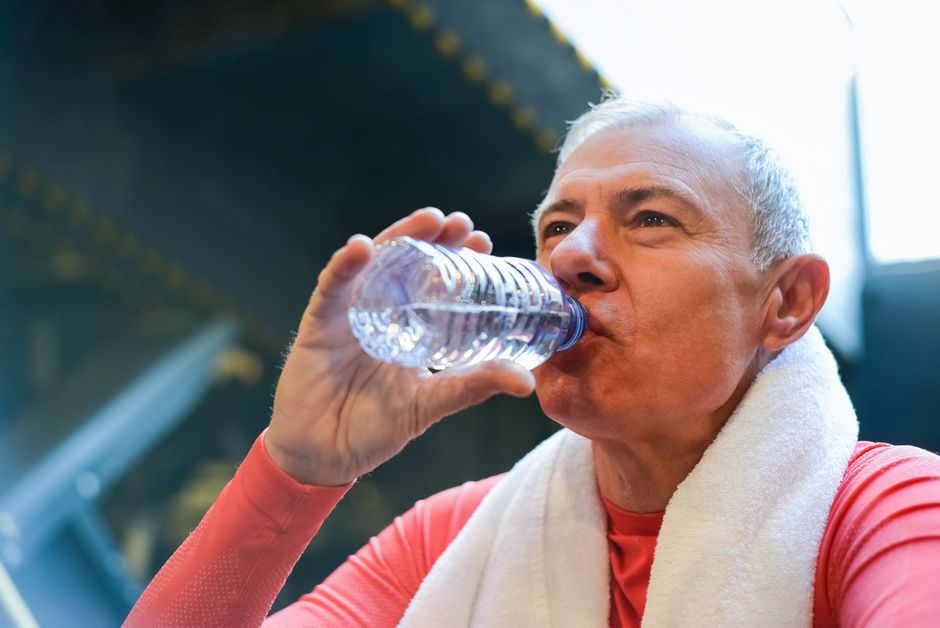
Drinking water is supposed to make you feel better, not worse. If you feel queasy after a glass of water, you are not imagining it. Nausea after drinking water usually happens because your stomach is empty, you drank too much too fast, or the water temperature shocked your digestive system. In most cases it is harmless and easy to fix, but sometimes it points to a condition that needs attention.
Why Does Water Trigger Nausea on an Empty Stomach?
Your stomach lining is sensitive. When it is empty, it still produces gastric acid in anticipation of food. Drinking water on an empty stomach dilutes that acid, but it also stretches the stomach wall quickly. That stretch sends a signal to your brain that something is entering the digestive tract. For some people, that sudden stretch triggers a mild nausea response.
This is more common in the morning. After hours of fasting overnight, your stomach is at its most sensitive. A large glass of cold water first thing can be a shock to the system. Your body is not expecting a sudden influx of volume, and the vagus nerve — which connects your gut to your brain — can overreact. That overreaction is what you feel as queasiness.
If you sip slowly and start with a smaller amount, the sensation usually passes within a few minutes. The stomach adapts to volume gradually. Gulping a full glass in seconds does not give it that time.
Can Drinking Water Too Fast Cause Nausea?
Yes. Speed matters more than most people realize. When you drink quickly, you swallow air along with the water. That air accumulates in the upper stomach and creates pressure. The pressure pushes against the lower esophageal sphincter, the muscle that keeps stomach contents from moving upward. The result can be nausea, bloating, or even burping.
Rapid drinking also distends the stomach faster than it can signal fullness back to the brain. The stomach wall has stretch receptors that communicate with the brainstem. When those receptors fire all at once, the brain can interpret the signal as discomfort rather than simple fullness. This is the same mechanism behind the nausea some people feel after eating too quickly.
The fix is straightforward. Take smaller sips. Pause between swallows. Let the water settle before taking more. If you are exercising or very thirsty, resist the urge to chug an entire bottle at once. Your body absorbs water just as well in small amounts spread over several minutes.
Why Does Cold Water Make Some People Nauseous?
Cold water can trigger a reflex in your digestive tract. When cold liquid hits the stomach lining, it can cause the stomach muscles to contract more forcefully. These contractions, called spasms, can produce a feeling of nausea that passes within a minute or two.
Some research suggests that cold water may also slow gastric emptying. That means the water sits in your stomach longer before moving to the intestines. The longer it sits, the more likely you are to feel bloated or queasy. Room temperature water does not have this effect for most people.
If cold water consistently makes you nauseous, try drinking water at room temperature for a week. Many people find this single change eliminates the problem entirely. This is not a medical recommendation — it is a simple observation that costs nothing to test for yourself.
What Medical Conditions Cause Nausea After Drinking Water?
Sometimes the cause is not the water itself but an underlying condition. If your nausea happens regularly, happens with small sips, or comes with other symptoms, consider these possibilities.
Gastritis. Inflammation of the stomach lining can make it hypersensitive to any liquid. Water stretches the inflamed tissue, which triggers nausea. Gastritis often causes a burning feeling in the upper abdomen, bloating, or a feeling of fullness after small amounts of food or drink.
Gastroesophageal reflux disease (GERD). Water can dilute stomach acid and cause the lower esophageal sphincter to relax. When that muscle relaxes, acid can wash up into the esophagus. Some people experience this as nausea rather than heartburn. Drinking water with meals is a common trigger because the stomach is already full.
Delayed gastric emptying. Also called gastroparesis, this condition means the stomach takes too long to move contents into the small intestine. Water sits in the stomach for hours instead of minutes. The buildup of fluid causes nausea. This condition is more common in people with diabetes, but it can occur without an obvious cause.
Migraine. Some people experience nausea as part of the prodrome phase of a migraine — the period before the headache starts. Water itself does not cause the nausea, but the timing can make it seem that way. If you feel nauseous after drinking water and then develop a headache within an hour, migraine may be the real culprit.
Pregnancy. Nausea and vomiting in pregnancy affect up to 80% of pregnant women. Water can be a trigger, especially on an empty stomach. Some pregnant women find that adding lemon or drinking cold water helps, but this varies widely from person to person.
If your nausea is occasional and passes quickly, it is unlikely to be a serious condition. If it happens most times you drink water, or if it comes with vomiting, abdominal pain, or unintended weight loss, see a doctor. These symptoms warrant evaluation rather than guesswork.
Why Do I Get Nauseous After Drinking Water During or After Exercise?
Exercise redirects blood flow away from your digestive organs and toward your muscles. Your stomach and intestines get less blood during a workout, which slows digestion. Drinking water during this state can leave water sitting in your stomach longer than normal. That stagnant water triggers nausea.
After exercise, the same effect can persist for 15 to 30 minutes. Your digestive system needs time to return to normal blood flow. Drinking a full bottle immediately after finishing a run or workout is a common mistake. Your stomach is not ready for that volume yet.
Sports drinks can make this worse. Many contain sugar and electrolytes, which slow gastric emptying even further. Plain water is usually easier on the stomach than a sugary sports drink during exercise. If you need hydration during a long workout, sip small amounts frequently rather than drinking large volumes at once.
Is Tap Water or Filtered Water More Likely to Cause Nausea?
Water quality rarely causes nausea, but it is not impossible. Contaminants in tap water — such as certain bacteria, parasites, or chemical residues — can cause gastrointestinal symptoms. However, these usually cause vomiting and diarrhea, not just nausea after a few sips. If your tap water is making you sick, you would likely notice other symptoms within hours.
Some people are sensitive to chlorine, which municipal water systems use as a disinfectant. The smell or taste alone can trigger a gag reflex in sensitive individuals. That reflex can feel like nausea even if the water itself is perfectly safe.
If you suspect your water is the problem, switching to filtered water is a reasonable test. If the nausea stops, the water was likely the issue. If it continues, the cause is probably your digestive system rather than the water. No clinical evidence currently confirms that filtered water prevents nausea in people who tolerate tap water normally.
How to Prevent Nausea After Drinking Water
Simple adjustments resolve most cases. Start with these before assuming a medical condition.
- Drink smaller amounts more frequently throughout the day instead of large glasses at once.
- Sip, do not gulp. Aim for a sip every 15 to 30 seconds rather than continuous drinking.
- Try room temperature water if cold water bothers you.
- Avoid drinking a large glass immediately before or after intense exercise.
- Do not drink water while eating large meals if it makes you feel full and queasy.
- Add a slice of lemon or a small amount of ginger to water — some people find this settles the stomach, though evidence is mostly anecdotal.
If these changes do not help within a week or two, the next step is medical evaluation. A doctor can check for gastritis, reflux, or other conditions that respond to treatment. Do not assume the problem is just sensitivity if it persists despite these changes.
One more note: drinking water is essential. Do not reduce your total water intake because of mild nausea. Dehydration causes its own problems, including headaches, fatigue, and dizziness. Instead, change how you drink — smaller sips, slower pace, and comfortable temperature. That usually solves the problem without sacrificing hydration.
Frequently Asked Questions
Why do I feel nauseous after drinking water in the morning?
Your stomach is empty and sensitive after overnight fasting, and a large glass of cold water can stretch it too quickly. Sip smaller amounts at room temperature and give your stomach a few minutes to adjust.
Can drinking water on an empty stomach make you throw up?
It can trigger nausea, and in sensitive individuals that nausea can progress to vomiting, but this is uncommon. If you vomit regularly after drinking water, see a doctor — this is not a normal response.
Is it bad to drink water right after eating?
Drinking water with meals is not harmful, but it can cause bloating or nausea in some people because the stomach is already full. If it bothers you, drink most of your water between meals instead.
What should I do if water makes me nauseous every time I drink it?
Try room temperature water, smaller sips, and slower drinking for one to two weeks. If nausea continues despite these changes, schedule a medical appointment to check for gastritis, reflux, or delayed gastric emptying.
