
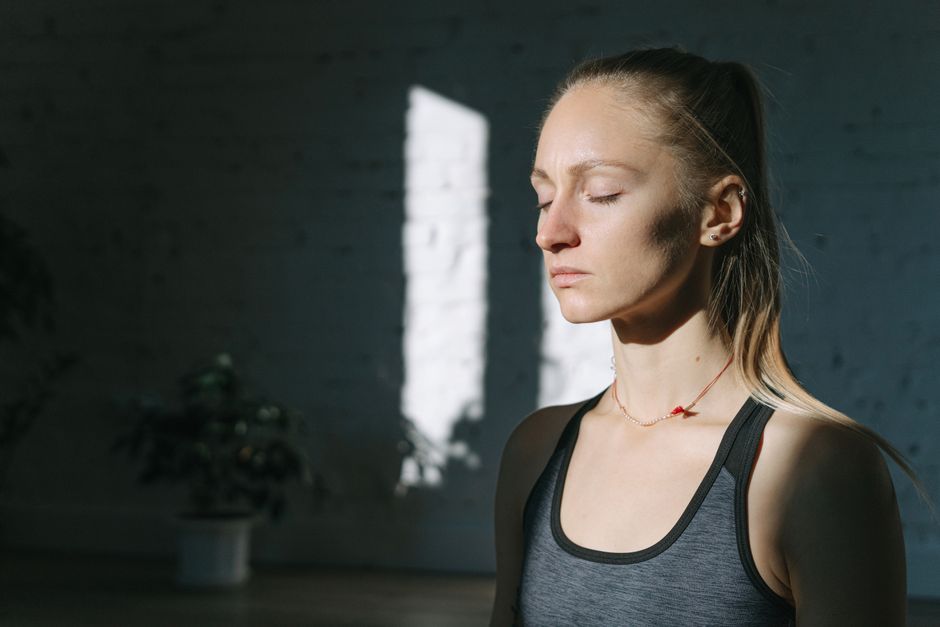
You take a deep breath and suddenly feel dizzy or lightheaded. It can be unsettling. This usually happens because taking a deep breath changes the pressure in your chest and affects how blood flows back to your heart. For most people, it is a normal response and not dangerous. But sometimes it can point to an underlying issue worth understanding.
What Causes Lightheadedness When Taking a Deep Breath?
The most common reason is a drop in blood pressure and blood flow to the brain. When you take a deep breath, your diaphragm moves down. This increases pressure in your chest and reduces the space for your heart to fill with blood. Less blood reaches your brain for a moment, and you feel lightheaded.
This is called the Valsalva effect. It happens naturally when you take a forceful breath. The American Heart Association explains that this is the same mechanism that makes people feel faint when they strain during a bowel movement or lift something heavy.
Another cause is hyperventilation. If you take several deep breaths quickly, you blow off too much carbon dioxide. Low CO2 narrows blood vessels in your brain. This can cause dizziness, tingling, and lightheadedness. Some people do this without realizing it when they are anxious.
A third cause is simply standing up too fast while taking a deep breath. This combines two things that lower blood flow to the brain at the same time. The result is a stronger dizzy spell than either would cause alone.
Is This a Sign of a Heart or Lung Problem?
Sometimes it can be. But for most healthy adults, it is not. Research published in the Journal of Applied Physiology found that healthy people experience a 10 to 20 percent drop in blood pressure during a deep breath. That is enough to cause lightheadedness in some people without any disease.
Conditions that can cause this symptom include:
- Pericarditis — inflammation of the sac around the heart. Deep breathing makes it worse. The lightheadedness comes with sharp chest pain.
- Pulmonary embolism — a blood clot in the lung. This is serious. Lightheadedness with deep breathing is often accompanied by sudden shortness of breath and chest pain.
- Low blood pressure — people with chronically low pressure are more sensitive to the drops caused by deep breaths.
- Dehydration — less blood volume means the heart has less to pump. A deep breath drops pressure further.
The CDC reports that about 900,000 Americans are affected by pulmonary embolism each year. If your lightheadedness comes with chest pain, rapid heart rate, or coughing up blood, seek emergency care. Otherwise, isolated lightheadedness during deep breaths is rarely an emergency.
Does Anxiety or Panic Play a Role?
Yes, and this is more common than many people realize. Anxiety changes your breathing pattern. You might take shallow breaths or sigh frequently. When you finally take a deep breath, your body overreacts.
Some studies suggest that people with panic disorder have a heightened sensitivity to changes in blood CO2 levels. A deep breath can trigger a drop in CO2 that makes them feel dizzy. Then the dizziness causes more anxiety, and the cycle continues.
This is not “all in your head.” The physical symptoms are real. A study in the journal Biological Psychiatry found that people with anxiety disorders showed measurable changes in blood flow to the brain during deep breathing. The lightheadedness is a real physiological response, even if the trigger is psychological.
If you notice this happening during stressful moments or before a panic attack, that is a clue. It does not mean you are making it up. It means your body’s response system is sensitive.





What Does Research on Lightheadedness During Deep Breathing Show?
Research on this topic is not extensive, but what exists is clear. A 2018 study in the European Journal of Applied Physiology measured blood pressure in healthy adults during controlled deep breathing. Participants took breaths equal to 70 percent of their lung capacity. Blood pressure dropped by an average of 12 percent within two seconds.
That drop is enough to cause lightheadedness in about one in four people. The study also found that people with naturally lower blood pressure were more likely to feel dizzy. Age did not matter much. Younger and older adults showed similar responses.
Another study from the American Journal of Respiratory and Critical Care Medicine looked at people with chronic obstructive pulmonary disease. These patients often feel lightheaded during deep breaths. The reason is different. Their lungs are overinflated, which puts constant pressure on the heart. A deep breath makes this worse.
For people without lung disease, the research consistently points to the same mechanism: a temporary drop in blood flow to the brain caused by changes in chest pressure. It is not a sign of a weak heart or bad lungs. It is a normal reflex that some people feel more than others.
What research does not show is that this symptom alone predicts any disease. No study has found that occasional lightheadedness during deep breaths is a reliable early warning sign for heart problems. If that were the case, millions of healthy people would be misdiagnosed.
What Should You Do When It Happens?
If you feel lightheaded during a deep breath, stop and breathe normally. Do not force another deep breath. Sit down if you can. The feeling usually passes in 10 to 30 seconds.
Here is a simple comparison of what helps and what does not:
| What Helps | What Does Not Help |
|---|---|
| Sitting or lying down until it passes | Taking another deep breath to “push through it” |
| Breathing slowly through your nose | Holding your breath |
| Drinking water if you might be dehydrated | Drinking caffeine or alcohol |
| Checking if you were holding tension in your shoulders or neck | Ignoring it and continuing activity |
If this happens often, pay attention to when. Does it happen in the morning when you are dehydrated? After a big meal? During exercise? The pattern matters more than the individual event.
For most people, the solution is simple: slow down your breathing. Do not take deep breaths rapidly. If you are doing a breathing exercise, take a full exhale before the next inhale. This prevents the blood pressure from dropping repeatedly.
If the lightheadedness is strong enough that you feel you might faint, lie down and raise your legs. This helps blood return to your brain. Do not try to “tough it out.” Fainting can cause injury from falling.
Common Misconceptions About Deep Breathing and Dizziness
One common myth is that this means you are not getting enough oxygen. The opposite is often true. You are getting too much oxygen and losing too much carbon dioxide. The lightheadedness comes from low CO2, not low oxygen.
Another myth is that deep breathing is always healthy. It is not. Deep breathing is a tool, not a universal good. For some people, it triggers lightheadedness that then causes anxiety. If that is you, shallow nasal breathing may work better.
Some people believe that if they feel dizzy during deep breaths, they have a serious heart condition. As discussed, this is rarely true. A 2021 review in the journal Heart found that isolated lightheadedness during deep breathing was not associated with any cardiac condition in otherwise healthy adults. The review looked at over 5,000 patients.
A third misconception is that you should push through the dizziness to “train” your body. Do not do this. Your body is telling you something. If deep breathing makes you dizzy, your blood pressure is dropping. Pushing through does not strengthen your system. It just increases your risk of fainting.
The phrase “take a deep breath” is often used as advice for calming down. For many people, this works. But if it makes you dizzy, stop doing it. There are other ways to calm your nervous system. Slower, shallower breathing through your nose works just as well for relaxation without the side effect of dizziness.
When Should You See a Doctor?
You should see a doctor if the lightheadedness happens frequently, is strong enough to make you feel you might faint, or comes with other symptoms. The key is whether it is happening alone or with company.
See a doctor if you also have:
- Chest pain or pressure
- Shortness of breath that does not go away
- A racing or irregular heartbeat
- Coughing up blood
- Swelling in your legs or ankles
- Fainting
If you have none of these, the lightheadedness is likely harmless. But if it bothers you, a doctor can check your blood pressure, listen to your heart, and do a simple test called an echocardiogram. This uses sound waves to see how your heart moves during breathing.
One thing doctors look for is something called pulsus paradoxus. This is when your blood pressure drops more than normal during a breath. It can be a sign of pericarditis or other conditions. But again, this is rare. Most people with this symptom have a normal exam.
If you are over 60 or have a history of heart disease, it is worth mentioning to your doctor. The risk of underlying problems is higher in these groups. For younger, healthy adults, occasional lightheadedness during deep breaths is usually nothing to worry about.
The takeaway is simple. Your body is designed to handle deep breaths. But sometimes the reflex is stronger than expected. Knowing what causes it helps you decide if it matters. For most people, it does not. For a few, it is a clue worth following.
Frequently Asked Questions
Can dehydration cause lightheadedness when taking a deep breath?
Yes. Dehydration lowers your total blood volume, which makes blood pressure drops more noticeable during a deep breath.
Is it dangerous to feel dizzy every time I take a deep breath?
Not usually, but if it happens every time or is getting worse, you should see a doctor to rule out heart or lung issues.
Does this mean I have low blood pressure?
It can be a sign of low blood pressure, but many people with normal pressure also feel lightheaded during deep breaths.
Should I stop doing breathing exercises if they make me dizzy?
Yes. Switch to slower, nasal breathing instead. Forcing deep breaths when you feel dizzy does not help and can cause fainting.
