
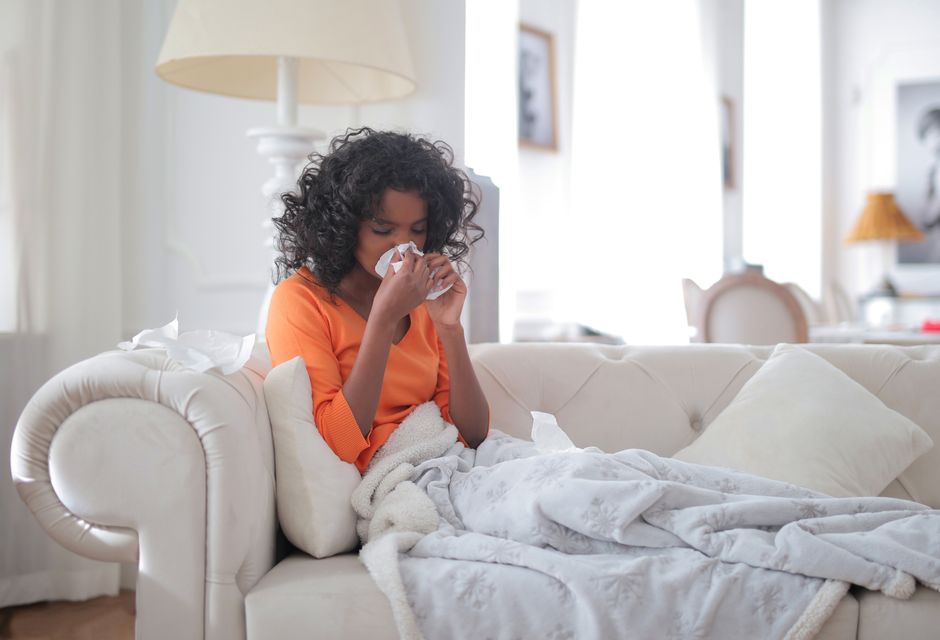
Feeling aroused while you have a fever, a cold, or the flu is more common than most people admit. The short answer: illness triggers shifts in hormones, blood flow, body temperature, and brain chemistry that can stir sexual feelings even as your body fights an infection. It is not a sign that something is wrong with you. It is your physiology responding to stress and inflammation in ways that overlap with arousal pathways.
Why Do I Get Horny When Im Sick Explained
Arousal and immune response share overlapping biological real estate. When you get sick, your body releases signaling molecules called cytokines. These proteins coordinate inflammation and fever. Some of them also influence the same brain regions and hormonal circuits involved in sexual desire.
One well-documented effect is that fever raises core body temperature. Heat increases blood flow throughout the body, including to the genitals. That physical warmth and vasodilation can feel similar to the early stages of sexual arousal. Your brain notices the sensation and may interpret it as desire.
There is also the hormone side. Illness is a stressor. The body responds by releasing cortisol and adrenaline. In some people, stress hormones heighten arousal rather than suppress it. This is not universal. Some people lose all interest in sex when sick. Others feel more interested. Both responses are normal.
Another factor is the immune system’s use of the same chemical messengers that operate in the brain. Cytokines like interleukin-6 and tumor necrosis factor alpha can cross into the central nervous system and affect mood, energy, and reward pathways. The result can be a foggy, dreamlike state where ordinary sensations feel more intense.
Does Being Sick Actually Change Your Sex Drive?
Yes, but not in one direction. Some people report increased libido during a cold or flu. Others report none at all. The difference depends on the type of illness, the severity, the person’s baseline hormones, and how their body handles stress.
With a mild illness like a common cold, you may feel tired but not completely depleted. The immune response is active but not overwhelming. In that state, some people experience a kind of restless energy that can translate into arousal. With a severe illness like influenza or a high fever, the body usually shuts down non-essential drives. Loss of appetite, loss of libido, and withdrawal from social contact are typical sickness behaviors. They help conserve energy for fighting infection.
So the “horny when sick” experience tends to happen more with mild illness or in the early stages before symptoms peak. It is less common when you are truly knocked out by a severe infection.
What Role Do Hormones Play in Arousal During Illness?
Hormones shift during illness in ways that can affect sexual desire. Testosterone, for example, tends to drop during acute illness. That would suggest less arousal, not more. But the picture is more complicated.
Cortisol rises during stress and illness. In the short term, cortisol can increase alertness and blood flow. Adrenaline does the same. These are the same hormones involved in the fight-or-flight response. Arousal and anxiety share some physiological features — faster heart rate, sweating, heightened sensitivity. The brain can mislabel one as the other.
Oxytocin is another hormone worth mentioning. It is involved in bonding and sexual arousal. Some research suggests that oxytocin also plays a role in immune regulation. Whether illness directly increases oxytocin is not well established. What is clear is that the hormonal environment during illness is different from your baseline, and that difference can change how you feel.




Is It Normal to Feel Aroused With a Fever?
Yes. Fever is a controlled rise in body temperature orchestrated by the immune system. It causes vasodilation, sweating, and a flushed feeling. Those physical sensations can overlap with what arousal feels like. The brain receives signals of warmth, tingling, and increased blood flow. It may interpret them as sexual.
Fever also disrupts sleep and can cause vivid dreams or a dreamlike waking state. Some people report increased sexual thoughts or dreams during fever. This is likely due to altered brain activity and the same cytokine effects mentioned earlier. It is not a sign of anything dangerous.
However, if you have a high fever — generally considered 103°F (39.4°C) or above in adults — you should focus on treating the fever and resting. Sexual activity is not dangerous during a mild fever, but it can be exhausting. Listen to your body.
Can Illness Make You More Sensitive to Touch?
Illness can lower your threshold for physical sensations. When you are sick, your nervous system is on edge. Cytokines can increase sensitivity to pain and touch. This is part of sickness behavior — your body wants you to notice discomfort so you rest and protect yourself.
That heightened sensitivity can cut both ways. A gentle touch might feel irritating. Or it might feel more intense and pleasurable than usual. The same nerve pathways carry both types of sensation. Your emotional state and context determine how you interpret them.
This is one reason some people seek physical comfort when sick. Sexual arousal can be a form of seeking closeness, warmth, and relief. It is not just about sex. It is about feeling better in a primal way.
Why Do Some People Lose All Interest in Sex When Sick?
Loss of libido during illness is actually the more common response. It is driven by the same cytokines that can sometimes increase arousal. The difference is dose and duration. A mild, short-lived immune response might stir things up. A strong, prolonged one shuts them down.
Sickness behavior — fatigue, social withdrawal, loss of appetite, and reduced sexual interest — is an evolved strategy. It conserves energy for immune function. From an evolutionary standpoint, it makes sense. You are not going to seek a mate while you are fighting an infection. You are going to stay put and recover.
So if you feel nothing when you are sick, that is normal too. If you feel more, that is also normal. Neither response is a problem.
When Should You Be Concerned About Arousal During Illness?
You should not be concerned about occasional arousal during a cold or flu. It is a temporary physiological response. It does not mean you have a hormonal disorder or a psychological issue.
However, if you experience persistent, unwanted sexual arousal that causes distress, that is different. A condition called persistent genital arousal disorder (PGAD) involves spontaneous, intrusive arousal that does not go away with orgasm. It is rare and not caused by a common cold. If you have ongoing arousal that bothers you, talk to a doctor.
Also, if you have a severe illness, a high fever, or are taking medications that affect hormones or brain chemistry, arousal changes can be a side effect. Some antidepressants, for example, can increase or decrease libido. If you notice a pattern that concerns you, bring it up with your healthcare provider.
Is It Safe to Have Sex While Sick?
For mild illnesses like a cold, sexual activity is generally not dangerous for you. But it can be dangerous for your partner if the illness is contagious. Many infections, including influenza and COVID-19, spread through close contact and respiratory droplets. Kissing and intimate contact increase transmission risk.
If you have a fever, body aches, or fatigue, sex may also make you feel worse. It is physical exertion. Your body is already working hard. Rest is usually the better choice.
If you do choose to be intimate while sick, be honest with your partner about your symptoms. Use protection if there is any risk of transmitting an infection. And if you have a condition that weakens your immune system, talk to your doctor before assuming any activity is safe.
What Does Science Say About the Link Between Immunity and Libido?
The science here is still developing. There is no single study that perfectly explains why some people feel horny when sick. What exists is a patchwork of research on cytokines, stress hormones, and brain-immune communication.
Some studies suggest that immune activation can affect dopamine, the brain chemical involved in reward and motivation. Dopamine is central to sexual desire. If illness alters dopamine signaling, that could explain why some people feel aroused. But this is not firmly established in humans.
Other research points to the role of the vagus nerve, which connects the brain to the immune system. The vagus nerve can detect inflammation and send signals to the brain. Those signals can affect mood, arousal, and social behavior. Again, the details are not fully mapped out.
What is clear is that the immune system and the reproductive system are not separate. They talk to each other. Illness changes the conversation. Sometimes that means more arousal. Sometimes less.
Frequently Asked Questions
Why do I get horny when I am sick?
Illness triggers hormonal shifts, fever, increased blood flow, and cytokine activity that can overlap with arousal pathways. It is a temporary physiological response, not a sign of a problem.
Is it normal to feel aroused during a fever?
Yes. Fever causes vasodilation, sweating, and heightened sensitivity that can feel similar to sexual arousal. The brain may interpret those sensations as desire.
Can a cold or flu increase your sex drive?
Some people report increased libido with mild illness, while others lose all interest. Both responses are normal and depend on the severity of the illness and individual stress hormones.
Should I worry if I feel horny while sick?
No, occasional arousal during a cold or flu is not a concern. If you have persistent, unwanted arousal that causes distress, talk to a doctor.
