
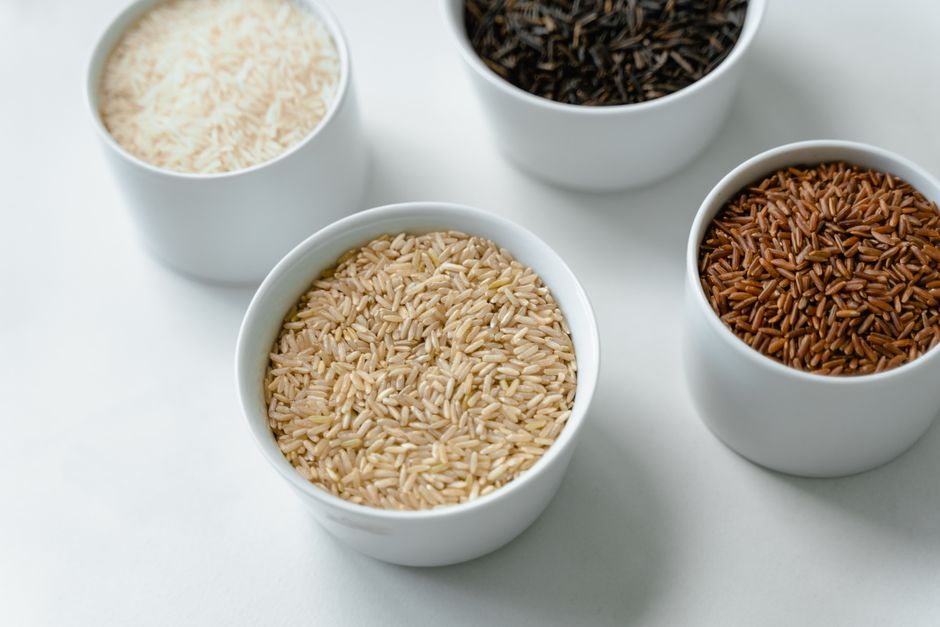
If you get hiccups when eating rice, the cause is usually mechanical, not allergic. A hiccup happens when your diaphragm — the dome-shaped muscle under your lungs — contracts suddenly and involuntarily, and your vocal cords snap shut right after. That closure is what makes the “hic” sound. Rice is a common trigger for this because it is dry, sticky, and easy to swallow in clumps, which can irritate the nerves that control your diaphragm while you eat.
Why Do I Get Hiccups When Eating Rice?
Rice irritates the diaphragm indirectly through the vagus nerve and the phrenic nerve. These two nerve pathways control the muscle contractions that produce a hiccup. Anything that stretches or tickles them can set off the reflex.
Rice is unusually good at doing this for a few reasons. Dry rice expands in your stomach as it absorbs liquid, which stretches the stomach wall. A stretched stomach can trigger the same reflex. Rice also tends to be eaten fast, in large mouthfuls, and with a lot of air if you’re talking while you eat. All of that puts pressure on the diaphragm from below.
The texture matters too. Sticky rice and plain white rice form dense, cohesive clumps. A clump that doesn’t break apart easily can scrape or press against the back of your throat and the upper esophagus, which is lined with branches of the vagus nerve. That brief irritation is often enough to start a short run of hiccups.
This is not a sign that your body rejects rice. It is a normal reflex reacting to a specific physical trigger.
How Does the Hiccup Reflex Actually Work?
A hiccup is a reflex arc, meaning it happens without your conscious control. The reflex starts when something stimulates the phrenic nerve or the vagus nerve, and it ends with a sharp, involuntary contraction of the diaphragm and the muscles between your ribs.
Here is the sequence, in plain terms:
- A trigger — such as a swallowed clump of rice, a stretched stomach, or swallowed air — stimulates the nerve.
- A signal travels to a set of nerve centers in the brainstem, including an area sometimes called the hiccup center.
- The brainstem sends a signal back down the phrenic nerve to the diaphragm.
- The diaphragm contracts suddenly and hard.
- About 35 milliseconds later, your vocal cords close. Air stops moving, and you hear the “hic” sound.
That timing detail is well established in physiological research. The vocal cord closure is what makes the sound — the diaphragm contraction alone would be silent.
The reflex is short-lived in most people. A typical bout lasts a few minutes. Eating rice may simply be the trigger that starts the arc, not a sign of anything wrong with your digestion.
Is It the Rice Itself or How You Eat It?
Usually it is how you eat it. Rice is rarely the problem on its own. The problem is the combination of speed, volume, and dryness.
Think about what happens at a typical meal. You eat faster than you would with a food that requires more chewing. You take bigger bites because rice is soft and goes down easily. You swallow more air because you’re talking or eating quickly. You may drink very little during the meal, so the rice stays dry and clumpy.
Each of those factors independently increases the chance of a hiccup. Together, they make rice one of the more common food triggers.
Some people notice hiccups more with certain types of rice. Dry long-grain rice tends to be more triggering than moist, saucy rice dishes, because dry grains are more likely to form scratchy clumps. Very hot rice can also irritate the esophagus, and very cold rice dishes can do the same. Temperature extremes are a known trigger for the reflex in some people.
If you only get hiccups with rice and never with other foods, the pattern still points to a mechanical trigger rather than an allergy. Food allergies do not typically present as hiccups.




What Other Foods and Habits Trigger Hiccups?
Rice is not special. Many foods and drinks trigger the same reflex, and knowing the pattern helps you understand your own triggers.
Common triggers include:
- Eating too fast or too much
- Carbonated drinks, which release gas and stretch the stomach
- Spicy foods, which can irritate the esophagus
- Very hot or very cold foods and drinks
- Alcohol, which relaxes the esophagus and stomach
- Swallowing air while eating, drinking, or chewing gum
- Sudden excitement or emotional stress
Notice that most of these involve either nerve irritation or stomach stretching. Rice fits both categories when eaten dry and fast.
If you get hiccups with rice and also with bread, pasta, or other dry starches, the trigger is likely the dry, clumpy texture rather than rice specifically. If you get them with carbonated drinks, the trigger is gas and stomach stretch.
When Should Hiccups Be a Concern?
Almost all hiccups from eating are harmless and stop on their own. The reflex is normal. A short bout after a meal is not a medical problem.
There are situations where hiccups deserve medical attention. See a doctor if hiccups:
- Last longer than 48 hours
- Keep coming back frequently over days or weeks
- Interfere with eating, sleeping, or breathing
- Come with chest pain, trouble swallowing, or vomiting
- Start after a head injury or with other neurological symptoms
Persistent hiccups — those lasting more than 48 hours — are uncommon and can have many causes. They can be linked to irritation of the vagus or phrenic nerve, acid reflux, certain medications, or in rare cases, underlying conditions affecting the brainstem or diaphragm. This is not something to self-diagnose. If hiccups persist, a doctor can look for the cause.
For hiccups that only happen during meals and stop within minutes, there is no reason to worry.
How Can You Prevent Hiccups While Eating Rice?
Since the trigger is usually mechanical, the fix is usually mechanical too. You do not need medication or supplements for meal-related hiccups.
Practical steps that may help:
- Slow down. Take smaller bites and chew more thoroughly.
- Add moisture. Sauces, broths, or a sip of water between bites can help rice go down more smoothly.
- Avoid talking while chewing. This reduces swallowed air.
- Don’t overfill your stomach. Stop eating when you’re comfortably full, not stuffed.
- Avoid carbonated drinks with rice dishes if you notice they make it worse.
- Let very hot rice cool slightly before eating.
None of these steps are proven in clinical trials specifically for rice-related hiccups, because the condition is not studied that way. They are based on the known mechanism of the reflex — reducing nerve irritation and stomach stretch. That reasoning is sound, but it is reasoning, not trial evidence.
If you still get hiccups despite these changes, it may simply be how your reflex responds. Some people are more sensitive to the trigger than others.
Does Rice Cause Hiccups Because of an Allergy?
No. Rice allergy is rare, and hiccups are not a typical symptom of any food allergy. Allergy symptoms usually involve hives, swelling, trouble breathing, vomiting, or a drop in blood pressure — not a brief run of hiccups.
If you have those symptoms after eating rice, that is a medical emergency and needs immediate care. Hiccups alone are not a sign of allergy.
There is also no established link between rice and acid reflux causing hiccups, though reflux can irritate the vagus nerve in some people. If you have frequent heartburn along with hiccups, that combination is worth mentioning to a doctor. The reflux and the hiccups may share a trigger without one directly causing the other.
Do Home Remedies for Hiccups Actually Work?
Most home remedies for hiccups have not been tested in controlled trials. That does not mean they do nothing — it means the evidence is limited.
The remedies that make physiological sense are the ones that interrupt the reflex arc. Holding your breath, drinking water slowly, or breathing into a paper bag can change the rhythm of your breathing and may reset the nerve signal. Gargling cold water can stimulate the vagus nerve in a way that sometimes stops the reflex.
What the evidence does not support is any claim that a specific remedy reliably cures hiccups. Hiccups usually stop on their own within minutes, which makes it hard to know whether a remedy worked or the bout simply ended. That is a real limitation in how these remedies are studied.
For meal-related hiccups, the simplest approach is to pause, breathe slowly, and let the reflex settle. If it does not stop and keeps returning, that is when a doctor’s input is useful.
Frequently Asked Questions
Why do I get hiccups every time I eat rice?
You likely have a sensitive vagus or phrenic nerve reflex that reacts to dry, clumpy rice or to a stretched stomach. Eating fast, taking large bites, and swallowing air make it more likely.
Are hiccups after eating rice a sign of an allergy?
No. Rice allergy is rare, and hiccups are not a typical allergy symptom. Allergy usually causes hives, swelling, or breathing trouble, which need emergency care.
How long should hiccups last before I see a doctor?
See a doctor if hiccups last longer than 48 hours or keep returning often. Short bouts during meals are normal and not a concern.
Can drinking water stop hiccups from rice?
It may help by moistening dry rice and changing your breathing rhythm, but no controlled trials confirm it works reliably. Hiccups often stop on their own within minutes.
