
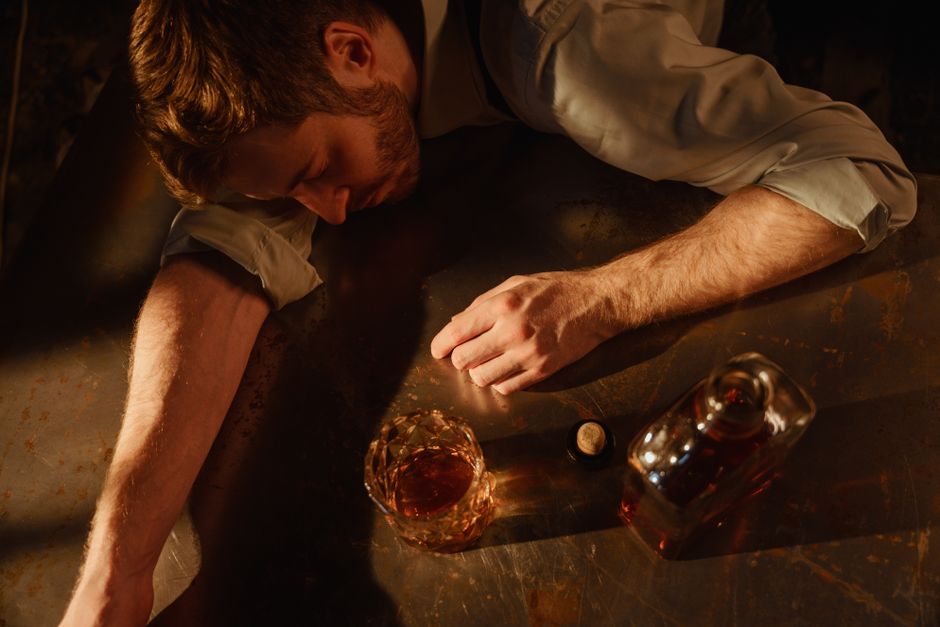
Two people can drink the same amount and wake up in completely different shape. One feels fine. The other has a headache, nausea, and a day that feels wasted. The reason comes down to how your body breaks down alcohol, how much you drank, how fast you drank it, and how old you are. Your genes set the starting point. Age changes the rules over time. And some of the biggest factors have nothing to do with either one.
What Actually Causes a Hangover?
A hangover is not one thing. It is a cluster of symptoms caused by several processes happening at once. Understanding them makes it easier to see why some people get hit harder than others.
When you drink alcohol, your liver breaks it down in two main steps. First, an enzyme called alcohol dehydrogenase (ADH) converts ethanol into acetaldehyde. Acetaldehyde is toxic. It is the compound largely responsible for the flushing, headache, nausea, and general misery of a hangover. Then a second enzyme, aldehyde dehydrogenase (ALDH), converts acetaldehyde into acetate, which is harmless and gets broken down further into water and carbon dioxide.
If acetaldehyde builds up faster than your body can clear it, you feel worse. That buildup depends partly on how fast each enzyme works — and that is largely genetic.
Alcohol also affects several other systems. It suppresses vasopressin, a hormone that tells your kidneys to hold onto water. That leads to increased urination and mild dehydration. It disrupts sleep architecture, particularly REM sleep, so even if you sleep eight hours you may not feel restored. It irritates the stomach lining, which can cause nausea. And it triggers an inflammatory response that contributes to headache and fatigue.
One clarification worth making: the old idea that hangovers are mostly about dehydration is incomplete. Dehydration plays a role, but researchers have found that correcting fluid balance alone does not reliably resolve hangover symptoms. The acetaldehyde load, inflammation, and sleep disruption matter just as much.
Why Do I Get Hangovers So Easily? Genes Age More — How Do They Compare?
Genes and age both matter, but they work through different mechanisms. Genes determine how efficiently your body processes alcohol from the very first drink. Age changes how your body handles alcohol over decades.
Your genetic profile influences three key things:
- How fast ADH works. Some variants of the ADH gene break down alcohol very quickly, producing acetaldehyde faster than ALDH can clear it. This causes a rapid buildup of the toxic intermediate.
- How fast ALDH works. Variants in the ALDH2 gene can slow the second step significantly. When acetaldehyde lingers, hangover symptoms tend to be more severe.
- How your brain responds to alcohol. Genetic differences in neurotransmitter receptors affect how sedated or stimulated you feel while drinking, which influences how much you consume.
The ALDH2 variant is especially well studied. It is common in people of East Asian descent. Carriers experience facial flushing, rapid heartbeat, and stronger hangover symptoms after relatively small amounts of alcohol. This is not a sign of weakness. It is a measurable difference in enzyme function.
Age adds another layer. As you get older, total body water decreases as a percentage of body weight. Less water means the same number of drinks produces a higher blood alcohol concentration. Liver volume and blood flow also tend to decline with age, which can slow alcohol metabolism. Sleep quality often worsens with age too, so the sleep disruption from alcohol hits harder.
Neither factor operates in isolation. A 25-year-old with a slow ALDH variant may get worse hangovers than a 50-year-old with efficient enzymes. The difference is that the 50-year-old is starting from a less forgiving baseline in other ways.
Does Your Body Handle Alcohol Differently as You Age?
Yes, and the shift is gradual. Most people do not notice a dramatic change overnight. They notice that the same three drinks that felt fine at 28 feel rough at 45.
Several age-related changes contribute:
- Lower body water. Muscle mass tends to decrease and fat mass tends to increase with age. Fat holds less water than muscle. With less water to dilute alcohol, the same drink produces a higher peak blood alcohol level.
- Slower liver function. Liver blood flow decreases with age, and the liver’s ability to metabolize alcohol may decline. This means alcohol stays in the system longer.
- Medication interactions. Many adults over 40 take prescription medications. Some interact with alcohol or with the enzymes that break it down. This can intensify effects or create new symptoms.
- Worse baseline sleep. Sleep is already lighter and more fragmented for many older adults. Alcohol makes it worse.
- Lower tolerance. People who drink less often as they get older lose some tolerance. The same amount hits harder because the body is not primed to process it.
The age effect is real but modest per decade. It becomes noticeable when combined with reduced drinking frequency and other health changes.





Do Some People Really Get Worse Hangovers Than Others?
Yes. The variation between individuals is large and well documented. Two people of the same age, weight, and sex can drink identically and have completely different outcomes.
Beyond genetics and age, several factors explain the gap:
- Sex. Women generally have less body water and lower ADH activity in the stomach than men. For the same body weight and same number of drinks, women tend to reach higher blood alcohol concentrations.
- Body composition. More muscle means more water. More fat means less. A muscular 180-pound person and a less muscular 180-pound person will process the same drink differently.
- Drinking pace. The liver can process roughly one standard drink per hour. Drinking faster than that causes acetaldehyde to accumulate regardless of genetics.
- Food in the stomach. Food slows alcohol absorption. Drinking on an empty stomach produces a faster, higher peak.
- Congeners. These are compounds produced during fermentation. Dark liquors like bourbon and red wine contain more congeners than clear liquors like vodka. Some research suggests congeners may worsen hangover severity, though the evidence is not entirely consistent.
- Hydration and electrolyte status before drinking. Starting dehydrated makes everything worse.
- Smoking. Smoking while drinking is associated with more severe hangovers in some studies.
The biggest single factor is usually the amount and speed of alcohol consumed. Genetics and age modify how hard that amount hits. But they do not override the dose.
Can You Reduce Hangover Severity?
There is no proven way to prevent a hangover entirely once you have been drinking heavily. But some strategies reduce the severity, and the evidence for them varies.
Strategies with reasonable support:
- Drink water between alcoholic drinks and before bed. This addresses dehydration, though it does not fix acetaldehyde load or sleep disruption.
- Eat before and while drinking. Food slows absorption and reduces peak blood alcohol.
- Choose clear liquors over dark ones if congeners affect you. The evidence is mixed but some people notice a clear difference.
- Limit total drinks and pace them. One standard drink per hour is roughly what the liver can handle.
- Get real sleep after drinking. Even if sleep quality is poor, lying down and resting helps.
Strategies with limited or no evidence:
- Hangover supplements. No large human trials have confirmed that any over-the-counter hangover product reliably prevents or cures hangovers.
- Drinking coffee. Caffeine may make you feel more alert temporarily, but it does not speed alcohol clearance or resolve the underlying causes. It can also worsen dehydration.
- More alcohol the next morning. This temporarily masks symptoms by reintroducing alcohol into the system. It does not help the body clear acetaldehyde and can prolong the problem.
No clinical guidelines currently recommend any specific hangover cure. The most reliable approach is to reduce the dose and pace of drinking.
When Should You Be Concerned About Hangovers?
A hangover after heavy drinking is expected. But certain patterns warrant attention.
If you experience flushing, rapid heartbeat, or severe nausea after just one or two drinks, you may carry an ALDH2 variant. This is worth knowing because people with this variant face a higher risk of certain health issues related to alcohol, including esophageal cancer, if they drink regularly. The flushing response is a signal, not a nuisance.
If your hangovers have gotten dramatically worse over a short period, or if you feel unwell after amounts that never bothered you before, that is worth discussing with a doctor. Changes in liver function, new medications, or other health conditions can alter how you process alcohol.
If you find that you need to drink more to feel the same effect, or if you feel anxious or shaky the morning after drinking, those are signs of developing tolerance and dependence. They are not just bad hangovers.
And if you are over 40 and notice that your hangovers have become consistently worse, that is a normal age-related change. It does not mean something is wrong. It means your body is telling you what it can handle now, which may be less than what it could handle at 25.
Frequently Asked Questions
Why do I get hangovers so easily even when I drink small amounts?
You may carry genetic variants that slow the breakdown of acetaldehyde, the toxic byproduct of alcohol. This is especially common in people of East Asian descent, but it occurs in other populations too.
Do hangovers get worse with age?
They often do. Lower body water, slower liver function, and lighter sleep all make the same amount of alcohol hit harder as you get older.
Is there a gene that makes hangovers worse?
Yes. Variants in the ALDH2 gene slow the conversion of acetaldehyde to acetate, causing it to build up. People with this variant tend to experience more severe hangovers and facial flushing.
Can you build tolerance to hangovers?
Tolerance to the sedating effects of alcohol can develop, but that does not prevent hangovers. In fact, people who drink more heavily often get worse hangovers because they consume more alcohol.
