
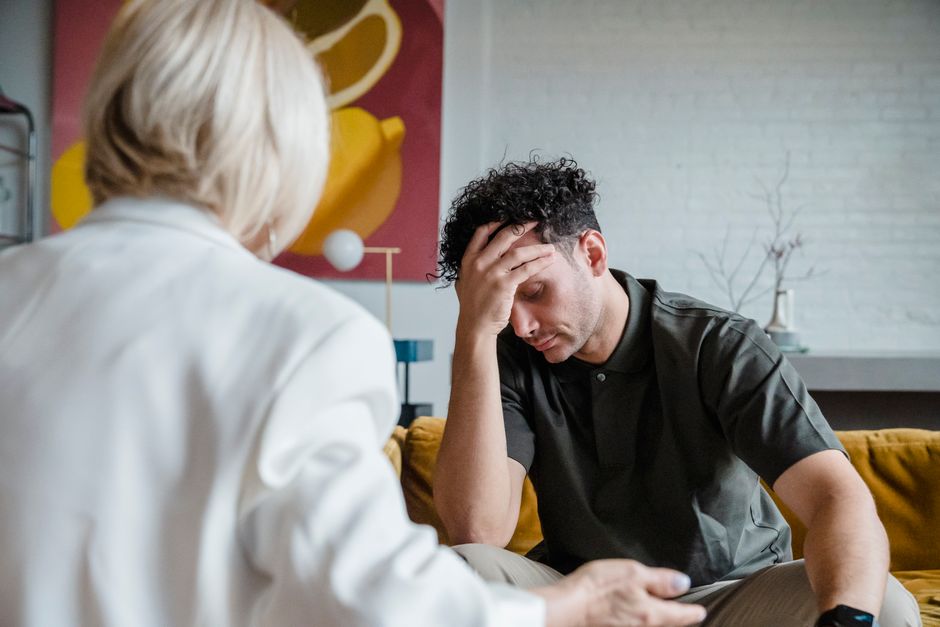
You didn’t expect it. Someone notices you’re struggling and says something kind. Your throat tightens. Your eyes sting. You’re crying, and part of you feels embarrassed about it. This reaction is not a sign that something is wrong with you. It’s a normal response built into the human nervous system. Being cared for meets a deep human need for connection, and when that need is suddenly met, the brain and body respond in ways you don’t consciously control. The tears are part of that response.
Humans are wired to need other people. When someone shows genuine care, the brain registers it as a meaningful event. It can trigger emotional release, physical sensations in the chest and throat, and sometimes tears. These reactions are involuntary. They happen faster than conscious thought. Understanding why they happen can make them feel less confusing and less embarrassing.
Why Do I Get Emotional When Someone Cares About Me?
Your brain treats being cared for as a significant event. It registers that someone has noticed you, and it responds with a physical and emotional shift that you cannot fully control.
Researchers who study crying have found that emotional tears are chemically different from tears caused by irritation or chopping onions. Emotional tears contain higher levels of certain stress-related proteins and hormones. Some researchers have proposed that crying may help the body process emotional arousal, though the evidence for this function is still being studied.
There is also a social dimension. Crying signals vulnerability to the people around you. In a safe context, that signal invites more support. This is one reason why being comforted can make you cry harder at first. The tears are not making things worse. They are part of how the body responds to feeling seen.
Some people are more prone to this than others. People who grew up with inconsistent emotional care may find kindness especially overwhelming. When you are used to handling things alone, being cared for can feel unfamiliar. That unfamiliarity itself can trigger tears.
What Happens in Your Brain When Someone Shows They Care?
The brain has a system for processing social connection, and it responds to care in measurable ways. Oxytocin is a hormone and neurotransmitter involved in bonding, trust, and social connection. When someone shows genuine care, oxytocin levels can rise. This is part of why being cared for feels physically soothing.
At the same time, the brain’s threat-detection system can quiet down. The amygdala, a structure involved in processing fear and emotional intensity, becomes less reactive in safe social contexts. This shift can feel like relief. For someone who has been on edge, that relief can be sudden and strong.
There is a third element that matters here. Being cared for involves being seen. The brain tracks social attention closely. When someone notices your struggle without you having to explain it, that recognition can feel profound. It confirms that you are not invisible. That confirmation is emotionally powerful, and it often comes out as tears.
These systems do not always work smoothly. People with a history of being dismissed or ignored may find kindness confusing or even suspicious at first. The emotional response can be complicated: relief mixed with grief for the care they did not receive earlier.
Why Do I Cry When Someone Is Kind to Me?
Crying in response to kindness is common. It does not mean you are weak, oversensitive, or unstable. It means your emotional system is responding to something that matters to you.
One explanation involves emotional contrast. If you have been holding things together, staying strong, and getting through each day, kindness can break that hold. The contrast between your usual state and the moment of being cared for is what triggers the release. You were not crying before because you were managing. The kindness gives you permission to stop managing for a moment.
Another explanation involves the buildup of unexpressed emotion. Many people suppress feelings of sadness, stress, or loneliness without realizing it. Kindness can act as a release valve. The tears are not only about the present moment. They are also about everything you have been carrying quietly.
Some people cry more easily than others. This is partly temperament, partly history, and partly current stress levels. If you are exhausted, overwhelmed, or going through a hard time, your threshold for tears is lower. That is not a flaw. It is a predictable response to load.
Is It Normal to Feel Overwhelmed by Kindness?
Yes. Feeling overwhelmed by kindness is a well-recognized human response. It is especially common in people who are not used to receiving care, or who have been through periods where support was scarce.
For some people, kindness triggers a response that is closer to grief than to joy. This can be confusing. You might feel sad after someone is kind to you, even when you are grateful. This can happen when kindness highlights what you have been missing. It brings up awareness of past experiences where you needed care and did not get it.
This response is sometimes described in therapeutic settings as a kind of emotional thaw. When a person has been in survival mode, warmth can feel unfamiliar. The body may respond with tears or a lump in the throat because it does not quite know what to do with the feeling yet.
It is also worth separating two things. Feeling overwhelmed by kindness is not the same as being unable to accept it. You can cry and still receive care. The tears do not cancel the connection. They are part of it.
What Does It Mean If I Cry Easily When Someone Is Kind?
Crying easily when someone is kind can mean several things, and the meaning is not always negative.
It may mean you are currently under stress. Stress lowers the threshold for emotional release across the board. It may mean you have unmet needs for connection or support. It may also simply reflect your temperament.
Some people are naturally more emotionally reactive. This is a stable trait, not a disorder. It shows up in how strongly you respond to music, art, and other people’s emotions as well as to kindness.
There are times when easy crying is worth paying attention to. If you are crying more than usual, feeling persistently low, or finding that everyday kindness makes you feel worse rather than comforted, that is worth discussing with a doctor or mental health professional. Persistent low mood, loss of interest in things you normally enjoy, and changes in sleep or appetite are signs that deserve attention.
But occasional tears in response to care are not a warning sign. They are a normal part of emotional life.
Can Being Cared For Change How You Handle Stress?
Yes. Social support is one of the better-studied factors in how people cope with stress. Research consistently shows that people with strong social support tend to handle stress better and recover from difficult events more effectively than people who are socially isolated.
Being cared for is a form of social support. When someone shows concern, it can reduce the sense of threat you feel and make a difficult situation feel more manageable. This is not just a feeling. The body’s stress response can be dampened by safe social contact. Heart rate and blood pressure responses to stress can be moderated when another person is present and supportive.
There is an important caveat here. The benefit depends on the quality of the care. Support that feels genuine and attuned helps. Support that feels dismissive, controlling, or conditional does not have the same effect and can sometimes add stress. The emotional response you have to being cared for is partly a signal about how safe that care feels.
This is one reason why being cared for can be emotional in a way that is hard to explain. It is not just the words. It is the sense of safety they create, and the relief that comes with it.
Why Does Kindness Sometimes Feel Uncomfortable?
Kindness can feel uncomfortable for reasons that are understandable. If you are not used to receiving care, it can feel unfamiliar. Unfamiliar things trigger vigilance. Part of you may be waiting for the catch.
Some people learned early that care came with conditions. If kindness was used as leverage, or if you were made to feel indebted for help, receiving care now can activate old patterns. The discomfort is not ingratitude. It is a protective response.
There is also the matter of self-image. Some people see themselves as the helper, not the helped. Being on the receiving end can feel like a loss of role. It can bring up feelings of vulnerability that are uncomfortable to sit with.
These reactions are not permanent. People can become more comfortable receiving care over time, especially in safe relationships. But it is not something you can force. The discomfort usually eases with repeated experiences of care that do not come with strings attached.
When Should You Pay Attention to Emotional Reactions?
Emotional reactions to kindness are normal. There are times when they are worth paying closer attention to.
If crying in response to kindness is accompanied by persistent sadness, hopelessness, or a sense of numbness, that combination is worth discussing with a doctor or mental health professional. If you find that you avoid closeness because the emotional response feels too intense, that pattern is also worth exploring with someone qualified to help.
If you are crying more than usual across many situations, not just when someone is kind, that change is worth noting. It can be related to stress, sleep, hormones, or mood, and a doctor can help sort out what is going on.
The key distinction is whether these reactions are causing you distress or getting in the way of the connection you want. Occasional tears when someone cares about you are not a problem to fix. They are part of being human.
Frequently Asked Questions
Why do I cry when someone is nice to me?
Crying when someone is kind is a normal response to feeling seen and cared for. It often reflects relief, unmet needs, or the release of emotions you have been holding back.
Is it normal to get emotional when someone shows they care?
Yes. Emotional responses to care are common and not a sign of weakness. They reflect how strongly the brain responds to social connection and safety.
What does it mean if I cry easily when someone is kind?
It can mean you are under stress, have unmet needs for support, or are naturally more emotionally reactive. Occasional tears are normal, but persistent low mood is worth discussing with a doctor.
Why does kindness make me feel uncomfortable?
Kindness can feel uncomfortable if you are not used to receiving care or if past care came with conditions. The discomfort is usually a protective response, not a sign of ingratitude.
