
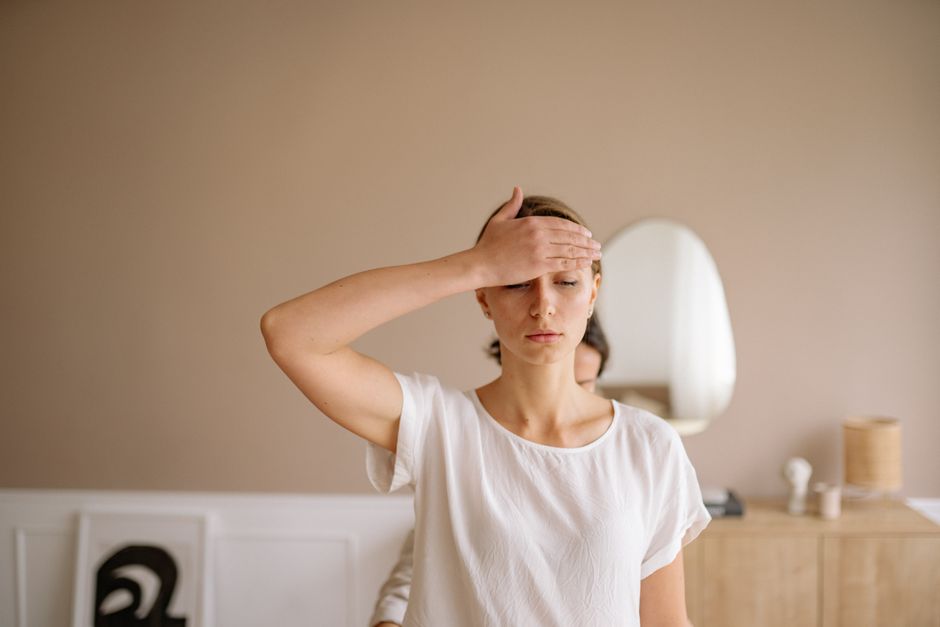
That brief head rush when you stand up has a name: orthostatic hypotension. It happens because gravity pulls blood down into your legs the moment you rise, and your body needs a second or two to push it back up to your brain. When that adjustment is slow or weak, you feel lightheaded, dizzy, or momentarily unsteady.
For most healthy people, it lasts a few seconds and passes. For others, it can signal dehydration, medication effects, or an underlying condition worth checking. The key is knowing which situation you are in.
Why Do You Get Dizziness When I Stand Up?
Your blood pressure is not a fixed number. It shifts constantly as your body changes position, and standing is one of the biggest challenges your circulatory system faces.
When you stand, roughly a half-liter of blood pools in your legs and abdomen within seconds. Special pressure sensors in your neck and chest detect the drop and signal your nervous system to respond. Your heart rate speeds up slightly, and your blood vessels narrow to keep pressure steady. This reflex is called the baroreflex, and it works automatically in healthy people.
If any part of that chain is slow or weak, blood pressure dips when you stand. That dip is orthostatic hypotension. Doctors define it as a drop of at least 20 mmHg in systolic pressure (the top number) or 10 mmHg in diastolic pressure (the bottom number) within three minutes of standing. The brain briefly gets less blood than it needs, and you feel dizzy.
What Is the Difference Between Dizziness and Vertigo?
These two words get used interchangeably, but they describe different experiences. Dizziness is a broad term. It can mean lightheadedness, a floating feeling, or feeling like you might faint. Vertigo is more specific — it is a false sense that you or the room is spinning.
Orthostatic hypotension typically causes lightheadedness, not spinning. If standing up makes the room spin, the cause is more likely inner ear related. A common example is benign paroxysmal positional vertigo, where tiny crystals in the inner ear shift and send false motion signals to the brain. That condition is triggered by head position changes, not by blood pressure changes.
This distinction matters because the two problems have different causes and different approaches. Lightheadedness on standing points to circulation. Spinning with head movement points to the inner ear.
What Causes Dizziness When Standing Up?
The causes range from harmless to serious. Most fall into a few broad categories.
- Dehydration — less blood volume means less pressure to work with when you stand
- Medications — blood pressure drugs, diuretics, antidepressants, and some prostate medications commonly affect the reflex
- Prolonged bed rest — deconditioning weakens the reflex over time
- Nervous system conditions — diabetes and Parkinson’s disease can damage the nerves that regulate blood pressure
- Heart conditions — problems with heart rhythm or valve function reduce the heart’s ability to respond
- Anemia — low red blood cells reduce oxygen delivery, which can worsen symptoms
- Eating a large meal — blood shifts to the digestive tract, sometimes causing a drop after eating
Age matters here. The baroreflex tends to become less sensitive over time, and blood vessel walls stiffen. That is why orthostatic hypotension is more common in adults over 65. But it can affect younger people too, especially those who are dehydrated or taking certain medications.
One cause that gets overlooked: standing up quickly after sitting for a long time. The reflex works, but the speed of the position change outpaces it. This is not a disorder. It is normal physiology under specific conditions.



When Should Dizziness on Standing Concern You?
Occasional lightheadedness that passes in a few seconds is usually not dangerous. The picture changes when symptoms are frequent, severe, or come with other signs.
Seek medical evaluation if you:
- Faint or nearly faint regularly when standing
- Fall or lose consciousness
- Notice confusion, blurred vision, or weakness that does not pass
- Have chest pain, palpitations, or shortness of breath with the dizziness
- Experience symptoms while lying down or sitting still
Recurrent orthostatic hypotension is worth taking seriously for a practical reason: it raises the risk of falls. Falls are a leading cause of injury in older adults, and dizziness on standing is a contributing factor. Research has consistently linked orthostatic hypotension to increased fall risk in this population.
Some evidence also suggests a connection between recurring orthostatic hypotension and cardiovascular events over time, though the relationship is complex and researchers continue to study it. The point is not to alarm you. It is to say that persistent symptoms deserve a proper workup rather than being dismissed as “just getting up too fast.”
How Is Orthostatic Hypotension Diagnosed?
Doctors typically start with a simple test. You lie down for a few minutes, then stand, and someone measures your blood pressure and heart rate in both positions. If pressure drops enough to meet the criteria, that confirms orthostatic hypotension.
The heart rate response tells an important story. If your heart rate rises significantly when you stand, the nervous system is trying to compensate but blood pressure is still dropping — this points toward a volume problem like dehydration or a medication effect. If your heart rate barely changes, the nervous system itself may not be responding properly. That pattern suggests a neurological cause.
Further testing depends on what the initial exam shows. Blood work can check for anemia, blood sugar problems, or electrolyte imbalances. An electrocardiogram looks at heart rhythm. In some cases, a tilt table test provides more detailed information about how your blood pressure and heart rate respond to position changes over time.
What Helps With Dizziness When Standing?
The right approach depends on the cause. There is no single fix, and what helps one person may not help another.
For mild, occasional symptoms, some practical steps have reasonable support:
- Stand up slowly, in stages — sit up first, pause, then stand
- Drink enough fluids throughout the day, since dehydration is a common contributor
- Avoid standing still for long periods; flex your legs or shift weight to keep blood moving
- Be cautious after large meals and in hot environments, both of which can worsen symptoms
If a medication is contributing, a doctor may adjust the dose or switch to a different drug. Never stop a prescribed medication on your own. This is not a situation for self-management without medical guidance.
For persistent orthostatic hypotension, some clinicians recommend compression stockings, increased salt and fluid intake, or specific medications. These approaches are used in clinical practice, but their effectiveness varies by individual and by underlying cause. What works for someone with dehydration-related dizziness may not work for someone with nerve damage from diabetes.
Physical counter-maneuvers — tensing your leg muscles, crossing your legs, or clenching your fists when you feel symptoms coming on — can help raise blood pressure briefly. These techniques are taught in some clinical settings for people with recurrent symptoms.
Does Dizziness When Standing Mean Something Is Wrong With My Heart?
Not usually. In most people, dizziness on standing is related to blood volume, medications, or a temporary lag in the reflex. The heart itself is fine.
That said, certain heart conditions can cause or worsen orthostatic symptoms. Problems with heart rhythm, structural issues with valves, or a heart that cannot increase its output when needed can all reduce the body’s ability to maintain blood pressure on standing. If dizziness comes with palpitations, chest discomfort, or shortness of breath, the heart deserves a closer look.
Age-related changes also play a role. Blood vessels stiffen, and the heart’s ability to respond to sudden demands may decline. This does not mean something is wrong. It means the system is less flexible than it once was, and symptoms that were once minor can become more noticeable.
Frequently Asked Questions
Why do I get dizzy when I stand up?
Gravity pulls blood into your legs when you stand, and your body needs a moment to adjust blood pressure to the brain. If that adjustment is slow, you feel lightheaded.
Is dizziness when standing up dangerous?
Occasional brief dizziness is usually not dangerous, but frequent episodes, fainting, or falls warrant medical evaluation. Recurrent orthostatic hypotension raises fall risk, especially in older adults.
What vitamin deficiency causes dizziness when standing?
Low vitamin B12 and iron deficiency anemia can contribute to dizziness on standing, but they are not the most common causes. Dehydration and medication effects are far more frequent.
How do I stop getting dizzy when I stand up?
Standing slowly in stages, staying hydrated, and avoiding long periods of standing still can reduce episodes for many people. If symptoms persist, a doctor can check for underlying causes.
