
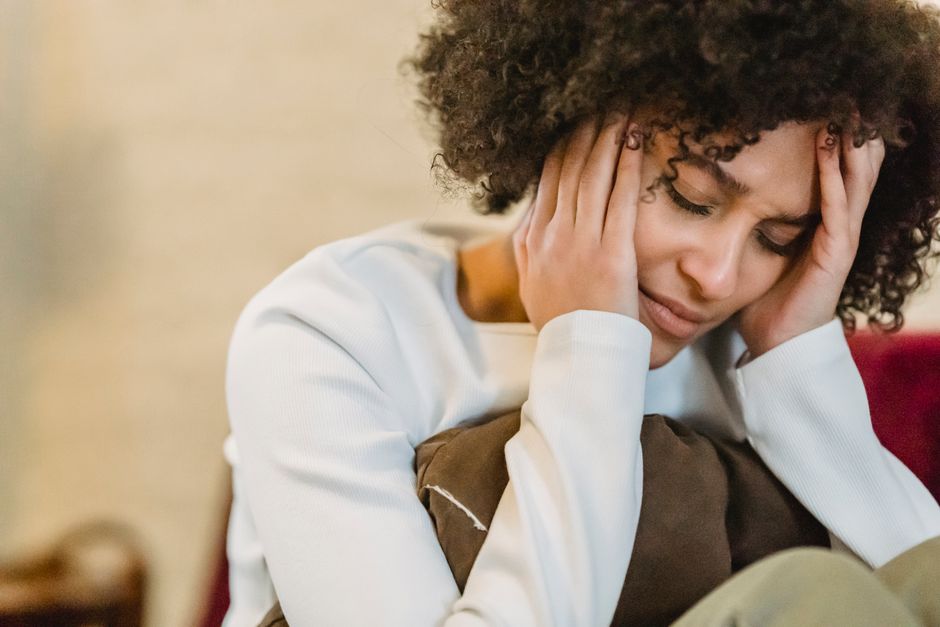
Feeling low during the holidays is common, and it is not a sign of ingratitude or weakness. The season piles several known triggers on top of each other at once: disrupted sleep, extra alcohol, money stress, family tension, and the gap between how the holidays are supposed to feel and how they actually feel. For many people, the letdown comes from that gap more than from the holiday itself.
There is also a practical reason the timing matters. The holidays land in winter for most US readers, when daylight is short and routines fall apart. Both can drag mood down. None of this means you are doing the holidays wrong. It means the season asks a lot of bodies and minds that are already tired.
Why Do I Get Depressed On Holidays?
Holiday depression usually comes from a cluster of stressors that arrive together, not from one single cause. Any one of them is manageable. All at once, they can wear you down.
The most consistent factor is the expectation gap. Research on holiday mood has found that people often feel worse when the gap is large between what they hoped the season would be and what it actually turned out to be. Advertising and social media widen that gap. You see other people’s curated gatherings and compare them to your own messy reality.
Loneliness gets louder in December. If you have lost someone, live far from family, or are recently divorced or estranged, the season’s focus on togetherness can sharpen the absence. Grief often feels heavier around anniversaries and traditions.
Then there is the physical load. Sleep schedules shift. Alcohol intake rises. Exercise drops. Meals get heavier and less regular. Each of these affects mood through well-established pathways. Sleep loss, in particular, reliably worsens mood in most people.
Financial pressure is another big one. Gift-giving, travel, and entertaining can strain budgets. Money worry is a well-documented stressor linked to anxiety and low mood.
And for some people, the holidays simply do not fit their temperament. If you prefer quiet and routine, a season built around noise and social demands can feel draining rather than joyful.
Is It Seasonal Affective Disorder Or Just The Holidays?
These are two different things that often overlap, and telling them apart matters for what helps.
Seasonal affective disorder (SAD) is a recognized form of depression tied to the change of seasons, most often winter. It typically follows a pattern: symptoms start in late fall, peak in the darkest months, and lift in spring. It is more than a few bad days. The hallmarks include persistent low mood, low energy, oversleeping, increased appetite (especially for carbohydrates), and weight gain. It tends to recur year after year.
Holiday depression is more tied to events and expectations than to daylight. It often spikes around specific dates and eases once they pass. If your low mood lifts in early January, the holiday calendar itself was likely a big part of the picture.
Many people have both at once. Short days and holiday stress can reinforce each other. If your symptoms are seasonal and recurring, that pattern is worth raising with a clinician, because SAD has established treatments that differ from general holiday stress.
Why Does The Holiday Season Feel Worse Than It Looks?
Because the version of the holidays you compare yourself to is not real. It is a highlight reel.
Social comparison is a well-studied driver of mood. During the holidays, you are surrounded by images of matching pajamas, perfect tables, and happy families. You rarely see the arguments, the debt, or the loneliness behind those photos. The comparison is unfair by design.
There is a second, less obvious factor: anticipation versus reality. The buildup to a holiday can be more emotionally intense than the day itself. Many people describe a strange flatness on the afternoon of a big holiday, once the meal is over and the anticipation is gone. That letdown is normal. It is the nervous system coming down from a peak, not evidence that something is wrong with you.
Traditions can also carry weight. A holiday song, a certain food, or an empty chair at the table can bring back memories of people and times that are gone. That is not weakness. It is how memory and emotion work.
What Makes Some People More Vulnerable?
Several factors raise the odds that the holidays will hit harder. None of them are character flaws.
- Existing depression or anxiety. If you already manage a mood disorder, stress and disrupted routine can worsen symptoms.
- Recent loss or grief. The first holiday after a death or breakup is often the hardest.
- Loneliness or isolation. Living alone, being distant from family, or having strained relationships amplifies the season’s focus on togetherness.
- Financial strain. Pressure to spend beyond your means adds ongoing stress.
- Family conflict. Difficult relationships do not pause for the holidays.
- Alcohol use. Alcohol is a depressant. Heavy or frequent drinking can lower mood in the days that follow, even if it feels like relief in the moment.
- Disrupted sleep and routine. Late nights, travel, and irregular meals all affect mood regulation.
If more than one of these applies to you, the season can stack stress on top of stress. That is a reason to be gentler with yourself, not a reason to push harder.
What Actually Helps When The Holidays Get You Down?
Small, concrete actions tend to help more than trying to force holiday cheer. Forcing joy usually backfires.
Protect your sleep. Keep a consistent bedtime where you can. Sleep is one of the strongest levers on mood, and it is one you can partly control even during a busy season.
Watch the alcohol. Drinking more than usual during the holidays is common, and it can deepen low mood over the following days. Cutting back is one of the more reliable mood supports.
Move your body. Regular physical activity has consistent evidence for supporting mood. A walk counts. It does not need to be a workout.
Set limits on spending and socializing. You can decline an event. You can set a gift budget. Boundaries are not selfish; they protect the energy you need to enjoy what matters.
Lower the bar. If a perfect holiday is the goal, you will likely feel like you failed. Aim for good enough.
Stay connected, but honestly. Reach out to one or two people you trust. You do not have to perform being happy. Naming how you actually feel often eases the pressure.
Get daylight. Time outdoors in the morning helps regulate your body clock, which matters more in winter when natural light is scarce.
Keep a routine where you can. Meals, movement, and sleep at roughly the same times give your mood a stable base.
These are supportive steps, not treatments for clinical depression. If your symptoms are persistent or severe, they are not a substitute for professional care.
When Should You Get Help?
Holiday blues usually ease after the season. Depression does not necessarily follow that pattern, and it deserves attention.
Consider reaching out to a doctor or mental health professional if low mood lasts more than a couple of weeks, if it interferes with work or relationships, or if you lose interest in things you normally enjoy. Persistent changes in sleep, appetite, or energy are also worth mentioning.
Get help sooner if you have thoughts of harming yourself. In the US, you can call or text 988 to reach the Suicide and Crisis Lifeline, which is available 24 hours a day. If you are in immediate danger, call 911 or go to an emergency room.
Depression is treatable. Therapy, medication, and lifestyle changes all have evidence behind them, and a clinician can help you find the right combination. Asking for help during a hard season is a reasonable thing to do, not an overreaction.
One thing worth saying plainly: the holidays are sold as the happiest time of year, but for a lot of people they are simply the most demanding. Feeling low does not mean the season is broken or that you are. It means you are human, and the calendar is asking a lot.
Frequently Asked Questions
Why do I feel sad during the holidays even when things are fine?
Expectation, disrupted routine, shorter daylight, and the pressure to feel joyful can all lower mood even when life is generally good. The gap between how the season is supposed to feel and how it actually feels is often the main driver.
How long does holiday depression usually last?
For most people, holiday-related low mood eases once the season passes and routines return. If symptoms last more than a couple of weeks or interfere with daily life, that is a reason to talk to a clinician.
Is holiday depression the same as seasonal affective disorder?
No. Seasonal affective disorder is a recurring form of depression tied to the change of seasons, most often winter, while holiday depression is tied more to events and expectations. Many people have both at once.
What should I do if I feel worse every year around the holidays?
A recurring pattern is worth raising with a doctor, since it can point to seasonal affective disorder or another treatable condition. Planning ahead for sleep, spending, alcohol, and social limits can also reduce the strain.
