
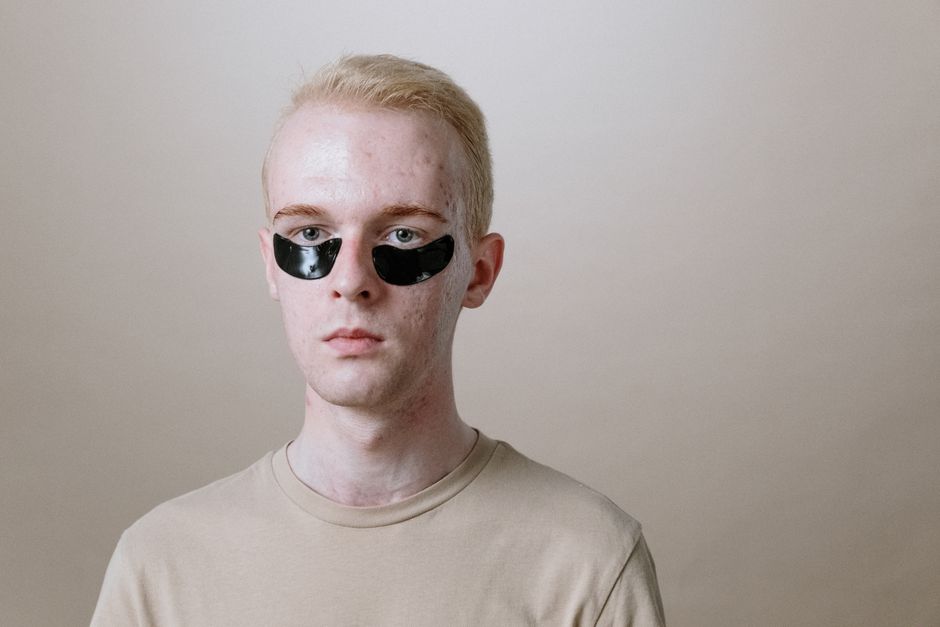
Blood pimples are pimples that contain visible blood, which usually happens when a blocked pore or inflamed follicle ruptures and leaks blood into the surrounding tissue or onto the skin’s surface. The blood is almost always a sign of damage to the skin around the pimple, not a sign that something is wrong with your blood itself. Most cases come from picking, squeezing, or scratching a spot, though inflamed acne, folliculitis, and a few other skin conditions can also produce them.
Why Do I Get Blood Pimples And What Causes Them?
A blood pimple forms when a blocked or infected pore becomes damaged enough that small blood vessels in the skin break open. The most common trigger is mechanical: you squeezed, picked, or scratched a pimple, and the pressure tore the wall of the follicle or the tiny capillaries around it.
Acne itself creates conditions that make this more likely. When a pore clogs with oil and dead skin cells, the follicle wall can stretch and weaken. If it ruptures deep in the skin, the body’s inflammatory response brings blood flow to the area, and the resulting wound can bleed as it drains. This is why some deep, tender pimples release a mix of pus and blood when they finally open.
There’s a detail worth knowing. A pimple that bleeds a little when it drains is not automatically dangerous. But blood that appears without any squeezing, or that keeps coming back in the same spot, deserves a closer look from a clinician.
What Does It Mean When a Pimple Bleeds?
Most of the time, a bleeding pimple means the skin barrier around it has been broken. That can happen from your own hands, from friction against clothing or a phone, or from the pimple rupturing on its own.
When you squeeze a pimple, you push pressure into a confined space. The follicle wall is already thin and inflamed. It tears, and the small vessels underneath leak. The blood you see is coming from that local damage, not from a systemic problem.
Some bleeding is also a normal part of healing. A pimple that has been opened will form a small clot, and a bit of blood mixed with clear fluid or pus is expected. What matters is how the spot behaves afterward: a pimple that heals and fades is different from one that bleeds repeatedly over weeks.
Is It Normal for Pimples to Have Blood in Them?
It’s common but not ideal. Occasional blood from a pimple you’ve irritated is a normal consequence of a minor skin injury. Frequent bleeding from the same area is not something to dismiss.
The concern with repeated bleeding is scarring and infection. Each time you break the skin, you create a small wound and a new opening for bacteria. Over time, this can lead to dark marks, pitted scars, and slower healing. The pimple itself is not the main problem at that point; the repeated trauma is.
Some clinicians describe a pattern where people with acne develop a cycle of picking, bleeding, scabbing, and picking again. Breaking that cycle matters more than treating any single spot.
What Skin Conditions Cause Blood-Filled Pimples?
Acne is the most common cause, but it is not the only one. Several conditions can produce bumps that look like pimples and may bleed.
- Folliculitis: inflammation or infection of a hair follicle. It can look like small red bumps or pus-filled spots, and it can bleed if scratched.
- Ingrown hairs: a hair that curls back into the skin causes a bump that can become inflamed and bleed when irritated.
- Boils (furuncles): deeper infections of a follicle. These are tender, swollen, and can drain pus and blood.
- Cherry angiomas: small benign growths of blood vessels that can look red or purple and bleed easily if scratched. They are not pimples, but people sometimes mistake them for one.
- Blood blisters: caused by pinching or friction, these are collections of blood under the skin and are not acne at all.
Because these conditions can look similar, a spot that keeps bleeding or does not heal should be evaluated rather than treated at home as acne. A clinician can usually tell the difference by looking, and sometimes by asking how the spot started.
When Should a Bleeding Pimple Worry You?
A pimple that bleeds once after you squeeze it is not usually a concern. A spot that bleeds on its own, repeatedly, or does not heal over a period of weeks is different.
Seek medical evaluation if you notice any of the following:
- A pimple or bump that bleeds without being touched
- A sore that does not heal or keeps scabbing and reopening
- A growth that is changing in size, shape, or color
- Bleeding along with fever, spreading redness, or increasing pain
- A spot that looks different from your other pimples
These signs do not mean something serious is present. They mean the spot should be looked at by a professional rather than assumed to be ordinary acne. Skin changes that persist are worth checking, and a clinician can determine whether further evaluation is needed.
How Do You Treat a Blood Pimple Without Making It Worse?
The single most effective step is to stop squeezing. Most blood pimples worsen because of continued pressure, and the skin cannot heal while it is being repeatedly broken.
General skin care guidance for inflamed pimples includes:
- Keep your hands off the spot. Do not pick, squeeze, or scratch.
- Wash the area gently with a mild cleanser and lukewarm water.
- Apply a small amount of a topical acne treatment if you already use one, following the product’s directions.
- Use a clean, dry dressing if the spot is open and likely to rub against clothing.
- Avoid harsh scrubs, alcohol-based toners, and anything that stings.
Over-the-counter acne products containing benzoyl peroxide or salicylic acid are commonly used for mild acne. The evidence for these ingredients in mild acne is reasonably established, though individual response varies. For deeper or recurring lesions, a clinician may recommend prescription treatments.
No clinical guidelines exist for treating a single bleeding pimple specifically. The general approach is wound care: keep it clean, protect it, and let it heal.
What Helps Prevent Blood Pimples From Coming Back?
Prevention comes down to reducing both the acne and the habits that damage it. If you have recurring acne, treating the underlying condition is the most reliable way to reduce new spots.
Established approaches include consistent gentle cleansing, avoiding comedogenic skin products, and using acne treatments as directed. For people with persistent or moderate acne, dermatology guidance supports prescription options, and a clinician can help choose one.
Breaking the picking habit is harder than it sounds. Some people find it helpful to keep hands busy, cover mirrors, or use pimple patches that act as a physical barrier. These strategies are practical rather than proven in large trials, but the underlying principle — reducing mechanical trauma — is sound.
If you notice you pick most when stressed or in front of a mirror, that pattern is worth paying attention to. Some people benefit from talking with a clinician about it, especially when picking becomes difficult to stop.
Frequently Asked Questions
Why does my pimple bleed when I squeeze it?
Squeezing tears the weakened wall of the follicle and the small blood vessels around it, so blood leaks into the spot. The bleeding is a sign of local tissue damage, not a blood disorder.
Can a blood pimple heal on its own?
Yes, most minor blood pimples heal on their own within days to a couple of weeks if left alone. Keeping the area clean and avoiding further squeezing supports normal healing.
Is a blood-filled pimple a sign of skin cancer?
No, most blood pimples are not cancer. A spot that bleeds without being touched, keeps scabbing, or changes over time should still be checked by a clinician.
What should I put on a bleeding pimple?
Gently clean it with mild soap and water, then leave it alone or cover it with a clean dressing if it may rub. Avoid alcohol, harsh scrubs, and picking at any scab that forms.
