
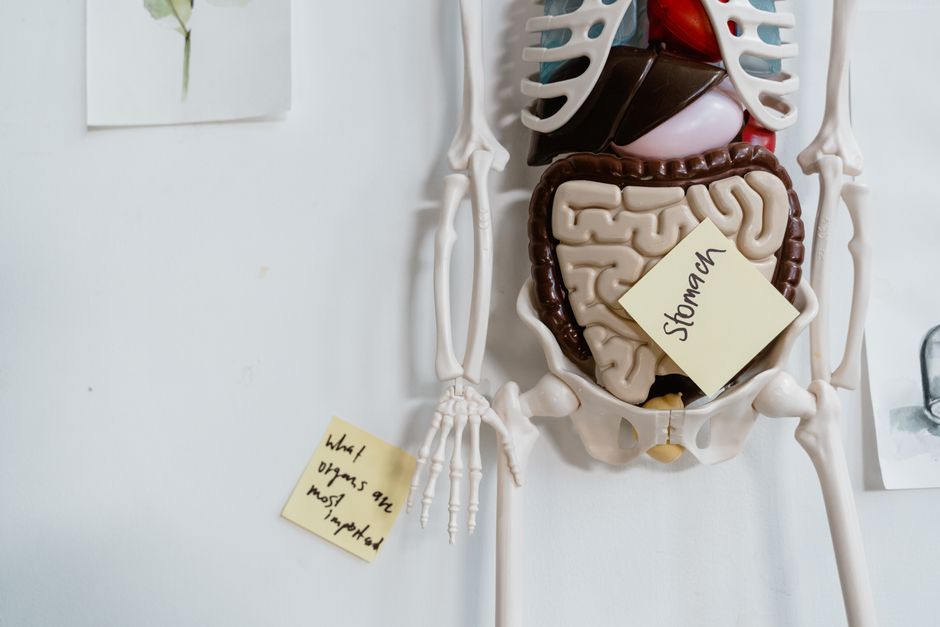
If you feel a lump or bulge on your stomach when you do a sit up, you are almost certainly feeling normal abdominal anatomy pushed forward by the movement. The most common explanation is a section of your rectus abdominis muscle — the paired muscle that runs down the front of your belly — bunching up and pressing against the skin as you curl your spine. In many people, especially those with less body fat around the midsection, this muscle is easy to feel and can look or feel like a distinct lump when contracted.
Less often, a lump that appears with sit ups can be a small hernia, a separation of the abdominal muscles, or a harmless fatty growth called a lipoma. The key is whether the lump is new, painful, changing, or present only during certain movements. That distinction tells you whether you are feeling normal muscle or something that deserves a doctor’s look.
Why Do I Get A Lump On My Stomach When I Do A Sit Up?
The lump is your abdominal muscle doing exactly what it is built to do. When you curl your torso, the rectus abdominis contracts and shortens, and the muscle fibers bunch together. In a lean or muscular person, this bunching is visible and easy to feel through the skin.
The rectus abdominis is not one smooth sheet. It is divided by bands of connective tissue called tendinous intersections, which create the “six-pack” look in very lean people. These bands can feel firm and raised, and the segments between them can bulge slightly when the muscle is active. That is normal structure, not a growth.
Where the lump appears matters. A lump felt near the center line of your belly, especially above the navel, is often the muscle itself or the connective tissue where the two sides of the muscle meet. A lump felt lower down or off to one side may still be muscle, but it is also where hernias are more likely to show up. Anatomy explains most of these lumps, but location and behavior are worth paying attention to.
Is It Normal To Feel A Lump In Your Stomach When Doing Sit Ups?
For most people, yes. Feeling a firm ridge or bump when you contract your abs is a normal part of having abdominal muscles you can feel through the skin. It tends to be more noticeable in people with less subcutaneous fat over the belly, and it often becomes more obvious as core strength improves.
What separates normal from worth checking is behavior over time. A normal muscle bulge does not grow, does not hurt in a sharp or persistent way, and does not change when you are relaxed. It shows up with contraction and fades when you stop.
A few features are worth a doctor’s visit:
- The lump is new or has been getting bigger.
- It is painful, tender, or feels hot.
- It stays visible when you are relaxed, not just during a sit up.
- It disappears when you lie flat but returns when you stand or strain.
- You have nausea, vomiting, or a change in bowel habits along with it.
None of these automatically means something serious. They simply are the features that make a physical exam worthwhile.
Can A Hernia Cause A Lump When I Do A Sit Up?
A hernia can cause a bulge that appears with abdominal strain, and sit ups do create abdominal pressure. A hernia happens when part of the tissue inside the abdomen pushes through a weak spot in the muscle wall. The most common type in the belly area is an umbilical hernia, which appears near the navel, and an epigastric hernia, which appears in the upper middle abdomen.
Hernias often show up as a soft bulge that becomes more prominent when you cough, strain, or sit up, and that may flatten when you lie down. Some are painless. Others cause a dull ache or discomfort with activity. Unlike a muscle bulge, a hernia is a gap in the wall, so the bulge is tissue moving through that gap.
One distinction worth knowing: a hernia does not always hurt, and pain alone does not confirm one. The diagnosis is made by physical exam, and sometimes imaging, not by how the lump feels. If a bulge becomes firm, very tender, and cannot be pushed back in, that is a reason to seek medical care promptly rather than wait.
What Is Diastasis Recti And Could It Be The Cause?
Diastasis recti is a widening of the gap between the two halves of the rectus abdominis muscle, along the line down the center of the belly. It is common after pregnancy, but it can also occur in people who have never been pregnant, particularly with age or repeated abdominal strain.
With diastasis recti, the tissue between the muscles stretches and the center of the belly can bulge outward when you sit up or strain. People sometimes describe this as a ridge or a soft lump running down the middle of the abdomen rather than a single distinct bump. It is a separation of muscle, not a hole in the wall like a hernia, though the two can be confused.
Some clinicians assess diastasis by having a person lie on their back and lift their head slightly while feeling along the center line. The evidence on how best to treat it is mixed. Some research suggests targeted physical therapy helps, but results vary and no single approach is established as best. If you suspect diastasis, a physical therapist or doctor can help distinguish it from a hernia.
Could A Lump On The Stomach Be Something Else?
Most lumps felt with sit ups are muscle or a small hernia. A few other possibilities exist, and they are worth knowing without overstating their likelihood.
A lipoma is a harmless fatty growth under the skin. It is soft, movable, and usually painless, and it does not change much with movement. A sebaceous cyst is a small sac under the skin that can feel firm and may have a small opening on the surface. These are common and generally not dangerous, but any lump that is new, growing, or changing should be examined.
Rarely, a lump in the abdomen can be something more serious. This is uncommon, and most abdominal lumps are benign. The reason to mention it is not to alarm you but to make the point that a lump that does not fit the pattern of muscle or hernia deserves a professional look rather than a guess.
One clarification that surprises people: you cannot diagnose a lump by how it feels to you. Muscle, fat, fluid, and hernia tissue can all feel firm or soft depending on the situation. A physical exam is what separates them.
When Should You See A Doctor About A Stomach Lump?
See a doctor if the lump is new, painful, growing, or does not behave like muscle. A lump that appears only with contraction and disappears at rest is usually muscle, but a lump that stays, changes, or comes with other symptoms should be checked.
Seek care promptly if a bulge becomes hard, very tender, or cannot be pushed back in, especially with nausea or vomiting. Those features can suggest a hernia that needs attention. For most other lumps, a routine visit is reasonable.
A doctor will typically ask when you first noticed it, whether it changes with position, and whether it hurts. They will examine you, sometimes both lying down and standing, because hernias can be easier to feel when you are upright or coughing. Imaging is used when the exam is unclear.
What Can You Do About It?
If the lump is normal muscle, there is nothing to fix. It is a sign your abdominal muscles are working. Some people notice it more as they get stronger or leaner, which can be surprising but is not a problem.
If you have a hernia or diastasis, the approach depends on the diagnosis. Some hernias are watched and some are repaired surgically, depending on symptoms and risk. Diastasis is often managed with physical therapy, though the evidence on specific exercises is mixed. No exercise program is proven to close a hernia, and straining harder is not a treatment.
What is reasonable for anyone with a new abdominal lump is to stop guessing and get it looked at if it does not fit the normal pattern. Most of the time the answer is simple anatomy. When it is not, an exam settles it quickly.
Frequently Asked Questions
Why do I feel a lump on my stomach only when I do a sit up?
You are most likely feeling your rectus abdominis muscle bunching as it contracts. The bulge appears with the movement and fades when you relax because the muscle is no longer shortened.
Is a lump on the stomach when doing sit ups dangerous?
Most are normal muscle and are not dangerous. A lump that is new, growing, painful, or stays visible at rest should be examined by a doctor.
How can I tell if it is a hernia or just muscle?
A hernia is a gap in the muscle wall that lets tissue push through, so it often feels like a soft bulge that changes with position. Only a physical exam can reliably tell the difference.
Can sit ups cause a hernia?
Sit ups increase pressure inside the abdomen, which can make an existing weak spot more noticeable. Whether repeated strain causes a new hernia is not firmly established, and hernias often relate to age, genetics, and prior surgery.
