
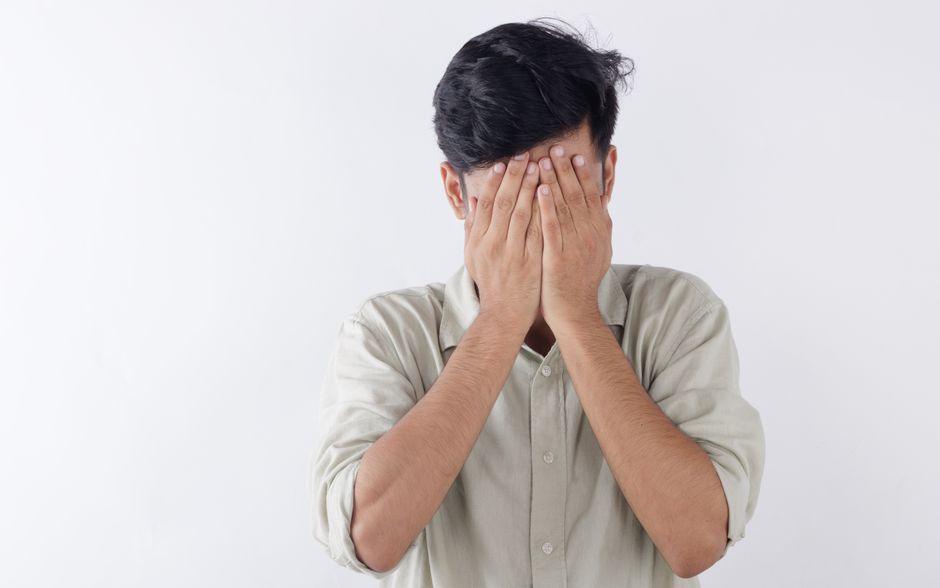
Stress is your body’s response to a demand it perceives as threatening or overwhelming. That demand can be real — a deadline, a fight, a bill — or imagined, like worry about something that might happen. Either way, your body reacts with a physical cascade: heart rate rises, muscles tense, and your mind narrows onto the problem. It is a normal, useful system. It only becomes a health concern when it stays switched on.
Why do you feel stressed? Because something in your life — or in your thinking — has triggered that response, and your nervous system is doing its job. The signs show up in your body, your mood, and your behavior. Relief comes from calming the response in the short term and addressing what keeps setting it off in the long term.
Why Do I Feel Stressed Causes Signs And Relief?
Stress comes from two broad places: things outside you and things inside your head. Most people are dealing with both at once.
External causes are the circumstances of your life. Work pressure, money problems, relationship conflict, caregiving, illness, and major changes — even good ones like a new baby or a move — all count. Research consistently shows that major life changes, whether wanted or not, are among the strongest triggers of stress.
Internal causes are how you interpret and carry those circumstances. Worry about the future, replaying the past, perfectionism, and harsh self-criticism can keep the stress response running long after the external trigger has passed. This is why two people in the same situation can feel very different levels of stress.
There is also a physical layer people often miss. Sleep loss, too much caffeine, alcohol, and low blood sugar can all make your body more reactive to stress. A short night of sleep does not just make you tired — it lowers your threshold for feeling overwhelmed the next day. If you are doing everything “right” emotionally and still feel wired, look at these basics first.
What Happens in Your Body When You Are Stressed?
Your body runs two stress systems, one fast and one slow.
The fast one is the sympathetic nervous system. Within seconds of a perceived threat, it releases adrenaline. Your heart beats faster, breathing quickens, blood pressure rises, and blood shifts toward your muscles. This is the classic fight-or-flight response. It is designed to be brief.
The slower one is the HPA axis — the pathway between your hypothalamus, pituitary gland, and adrenal glands. It releases cortisol, a hormone that helps mobilize energy and keeps the response going. Cortisol follows a daily rhythm, peaking in the early morning and falling through the day. Under chronic stress, that rhythm can flatten or shift, and the system stays partially activated when it should be resting.
This is why long-term stress affects so many parts of the body. It is not “all in your head.” The same hormones that help you meet a challenge also influence digestion, immune function, blood pressure, and sleep.
What Are the Signs and Symptoms of Stress?
Stress shows up differently in different people, but the patterns are fairly consistent. It helps to sort symptoms into four groups.
- Physical: headaches, muscle tension (especially jaw, neck, and shoulders), fatigue, stomach upset, chest tightness, changes in sex drive, and trouble sleeping.
- Emotional: feeling overwhelmed, irritable, anxious, restless, or low in mood. A sense of losing control.
- Cognitive: racing thoughts, trouble concentrating, forgetfulness, and indecision.
- Behavioral: changes in appetite, increased alcohol or caffeine use, withdrawing from people, procrastinating, and snapping at others.
One important clarification: many of these symptoms overlap with other conditions, including anxiety disorders, depression, thyroid problems, and sleep disorders. A symptom list cannot tell you which one you have. If stress symptoms are persistent or severe, a clinician can help sort out the cause.
When Does Stress Become a Health Problem?
Acute stress — the short bursts — is normal and even useful. The concern is chronic stress: a response that stays activated for weeks or months with little recovery.
Chronic stress is consistently linked with higher risk of high blood pressure, heart disease, and mental health conditions like anxiety and depression. It can worsen existing conditions such as asthma, diabetes, and digestive disorders. The evidence for these associations is strong. What is harder to pin down is the exact threshold — how much stress, for how long, in whom. The relationship is real, but it is not a simple number.
Watch for signs that stress has crossed into a problem worth professional attention:
- Sleep problems that last more than a few weeks
- Persistent low mood, hopelessness, or loss of interest in things you enjoy
- Panic symptoms — a racing heart, shortness of breath, or a sense of doom
- Using alcohol or other substances to cope
- Physical symptoms that do not improve or have no clear cause
If you have thoughts of harming yourself, that is a medical emergency. Contact a crisis line or emergency services right away.
How Can I Get Relief From Stress?
Relief works on two levels: calming the response in the moment and reducing what keeps triggering it.
For immediate relief, slow breathing is one of the most reliable tools. Slow, steady breathing — longer exhales than inhales — activates the parasympathetic nervous system, the body’s “rest and digest” branch. This is well established. A few minutes of slow breathing can lower heart rate and ease the physical edge of stress.
Other short-term approaches with reasonable evidence include brief physical activity, spending time in nature, and connecting with another person. These are not cures, but they help the body return toward baseline.
For longer-term relief, the strongest evidence points to a few areas:
- Sleep. Protecting regular sleep is one of the most effective ways to lower baseline stress reactivity.
- Movement. Regular physical activity is consistently associated with lower anxiety and better mood. The effect is real, though it is not a replacement for treating a clinical condition.
- Structured relaxation. Practices like mindfulness-based stress reduction have been studied in clinical trials and show modest but real benefits for stress and anxiety in many people.
- Social support. Strong relationships buffer the stress response. This is one of the more consistent findings in the research.
- Talking therapies. Cognitive behavioral therapy has good evidence for anxiety and stress-related conditions. It helps people change the thought patterns that keep the stress response running.
What does not have strong evidence: most supplements marketed for stress. Some, like certain adaptogenic herbs, have small studies, but the evidence is limited and mixed. No large human trials have confirmed most of these products work. Be cautious with marketing claims.
Can Stress Be Prevented?
You cannot remove stress from life, and trying to is not the goal. The realistic aim is building resilience — the capacity to recover faster.
The evidence-supported building blocks are unglamorous: consistent sleep, regular movement, time with people you trust, and some form of structured relaxation or reflection. None of these eliminate stress. They change how your body responds to it.
It also helps to notice your personal patterns. Do you carry tension in your jaw? Do you stop sleeping well before you notice feeling anxious? Catching those early signals lets you act before stress compounds. Some clinicians recommend brief daily check-ins for exactly this reason, though this is common practice rather than a strongly tested intervention.
One honest note: if your stress is driven by circumstances you cannot change — a difficult job, financial strain, caregiving — individual coping strategies have limits. That is not a failure of willpower. Sometimes the most effective step is changing the situation, not just managing your reaction to it.
Frequently Asked Questions
Why do I feel stressed for no reason?
Stress can be triggered by things you are not consciously aware of, including poor sleep, caffeine, low blood sugar, or background worry. If stress feels constant and unexplained, it is worth talking to a clinician to rule out other causes.
What are the first signs of too much stress?
Early signs often include trouble sleeping, muscle tension, irritability, and difficulty concentrating. These tend to appear before more serious symptoms like low mood or physical complaints.
How long does stress last?
Acute stress usually fades within minutes to hours once the trigger passes. Chronic stress can last weeks or longer and often needs active steps to resolve.
When should I see a doctor about stress?
See a clinician if stress symptoms last more than a few weeks, disrupt your sleep or daily life, or come with low mood or panic symptoms. These can be signs of a condition that benefits from treatment.
