
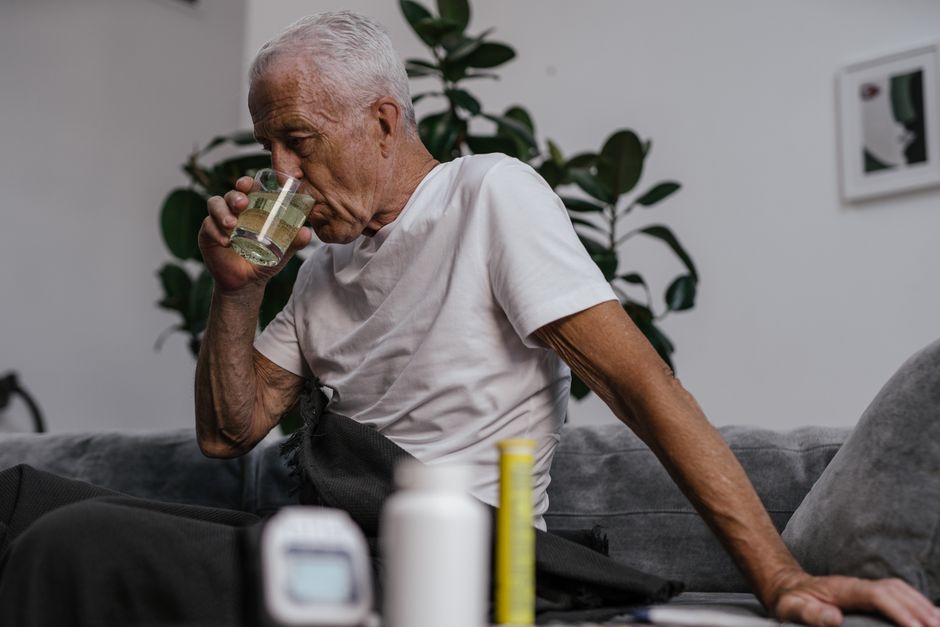
A hangover is the body’s response to alcohol and its breakdown products, and it shows up as a cluster of symptoms rather than a single problem. Headache, nausea, fatigue, dizziness, and a general sense of feeling unwell are common. The sickness is real physiology, not weakness. It comes from a mix of dehydration, disturbed sleep, inflammation, stomach irritation, and the toxic byproducts of alcohol metabolism.
How bad you feel depends on how much you drank, how fast, whether you ate, your body size, and your genetics. Some people feel sick after one or two drinks. Others feel fine after more. That difference is largely biological, not a measure of character.
Why Do I Feel Sick The Day After Drinking?
Alcohol triggers several processes at once, and they overlap to produce the hangover. No single mechanism explains every symptom. Researchers describe the hangover as a combination of effects, and the evidence supports several working together.
The first is dehydration. Alcohol suppresses a hormone called vasopressin, which normally tells the kidneys to hold onto water. With less vasopressin, you urinate more. That fluid loss contributes to thirst, headache, and the dry, drained feeling the next morning.
The second is the breakdown of alcohol itself. The liver processes alcohol in two main steps. First, an enzyme converts it into acetaldehyde, a compound that is genuinely toxic. Then another enzyme clears acetaldehyde into a less harmful substance. When you drink faster than your liver can keep up, acetaldehyde builds up. It causes flushing, nausea, and that sick, shaky feeling. This is the same reason some people flush red after drinking, especially people of East Asian descent with a common genetic variant that slows acetaldehyde clearance.
The third is inflammation and immune signaling. Alcohol and its byproducts trigger a mild inflammatory response, which some researchers believe contributes to headache, fatigue, and poor concentration.
The fourth is sleep disruption. Alcohol can make you fall asleep faster, but it fragments sleep later in the night and reduces the restorative stages. You may get hours in bed without the quality of rest your body needs.
On top of all this, alcohol irritates the stomach lining directly, which adds nausea and stomach upset to the picture.
Why Does Alcohol Make You Nauseous and Give You a Headache?
Nausea and headache are two of the most reported hangover symptoms, and they have somewhat different causes.
Nausea comes mainly from direct stomach irritation and from acetaldehyde. Alcohol increases stomach acid and slows the stomach’s normal emptying, which can leave you feeling queasy and full. The toxic breakdown products add to it. This is why nausea often peaks in the morning, when acetaldehyde levels are still clearing.
Headache has several contributors. Dehydration reduces blood volume and affects blood vessels. Inflammation plays a role. Poor sleep and the direct effects of alcohol on the nervous system add to it. Some people notice a headache that feels like a tension headache, others more like a throbbing one. The pattern varies.
One clarification worth knowing: the idea that hangovers are mostly about dehydration is incomplete. Rehydrating helps, but it does not fully prevent or cure a hangover on its own. The other mechanisms matter too.
Does Drinking Water or Eating Help a Hangover?
Water and food help manage specific symptoms, but neither reverses a hangover. This is where a lot of common advice overpromises.
Drinking water addresses the fluid loss from increased urination. It can ease thirst and some of the headache. But research on hydration alone as a hangover treatment has not shown it resolves the full set of symptoms. It is helpful, not a fix.
Eating can settle the stomach and slow how fast alcohol is absorbed if you eat before or while drinking. Food before drinking is genuinely useful for reducing peak blood alcohol. Once the hangover has started, a bland meal may ease nausea, but there is no strong evidence that any specific food speeds recovery.
What does not have solid evidence behind it:
- Drinking more alcohol the next morning (often called “hair of the dog”) — this delays clearance and does not treat the cause
- Most over-the-counter “hangover cures” — no large human trials confirm they work
- IV vitamin drips marketed for hangovers — evidence is limited and they carry cost and some risk
Some clinicians suggest simple measures like rest, fluids, and a light meal. These are reasonable comfort measures, not proven treatments.





Which Pain Relievers Are Safe After Drinking?
This is one of the most important practical questions, and the answer depends on which medication you reach for.
Acetaminophen (the active ingredient in Tylenol and many other products) is processed by the liver. After heavy drinking, the liver is already working hard and its stores of a protective substance called glutathione are lower. Taking acetaminophen in this state raises the risk of liver injury, especially at higher doses or with repeated use. Many clinicians advise avoiding it during or right after heavy drinking.
Ibuprofen and other nonsteroidal anti-inflammatory drugs (NSAIDs) are not processed the same way, but they irritate the stomach lining. Since alcohol already irritates the stomach, combining the two raises the risk of stomach upset and, in some cases, bleeding. Use with care and not on an empty stomach.
Aspirin carries similar stomach concerns. If you take any medication regularly or have liver or kidney problems, this is a conversation to have with a pharmacist or clinician rather than a decision to make on your own. This is general information, not medical advice for your specific situation.
Why Do Some People Get Worse Hangovers Than Others?
Hangover severity varies a lot between people, and several factors explain it.
Genetics matter. Variations in the enzymes that process alcohol and acetaldehyde change how quickly toxic byproducts clear. People with a variant that causes acetaldehyde to build up tend to flush and feel sick sooner. This variant is more common in people of East Asian ancestry.
Body size and composition affect blood alcohol concentration. A smaller person drinking the same amount reaches a higher concentration than a larger person. This is about dilution, not tolerance.
Drinking patterns matter too. Drinking quickly, on an empty stomach, or mixing different types of alcohol can worsen symptoms. Congeners are other compounds in alcohol that give drinks their flavor and color, and darker drinks tend to contain more of them. Some studies suggest congeners may worsen hangover severity, though the evidence is not definitive.
Sleep, hydration, and general health before drinking also shift how you feel the next day. Being run down going in tends to mean feeling worse coming out.
When Is Feeling Sick After Drinking a Warning Sign?
Most hangovers ease within a day as the body clears alcohol and its byproducts. Some symptoms, though, point to something more serious than a hangover.
Seek medical help if you or someone else has:
- Confusion, slowed breathing, or difficulty staying awake
- Repeated vomiting that will not stop, or inability to keep fluids down
- Severe abdominal pain, especially upper-right belly pain
- Signs of dehydration such as very dark urine, dizziness on standing, or fainting
- Yellowing of the skin or eyes
These can signal alcohol poisoning, dehydration, pancreatitis, or liver problems. Alcohol poisoning is a medical emergency. Do not wait to see if it passes.
Repeated hangovers are also worth paying attention to. They are a sign of heavy drinking, and heavy drinking over time carries real health risks. If you find you are drinking more than you intend, or feel you cannot cut back, that is worth discussing with a clinician.
Can You Prevent a Hangover?
The only reliable way to prevent a hangover is to drink less or not at all. That is the honest answer, and it is well established. Everything else is partial.
Measures that may reduce severity, based on general evidence:
- Eating before and during drinking slows alcohol absorption
- Drinking water alongside alcohol helps offset fluid loss
- Pacing yourself and avoiding rapid drinking lowers peak blood alcohol
- Getting real sleep afterward supports recovery
None of these eliminates a hangover if you drink heavily. There is no supplement, drink, or product with strong human trial evidence showing it prevents hangovers. Claims otherwise are marketing, not science.
Understanding the mechanisms helps you make sense of how you feel. The sickness the day after drinking is your body processing alcohol and its byproducts, managing fluid shifts, and recovering from disrupted sleep and stomach irritation. It is temporary for most people. Knowing when it is more than that is the part that matters most.
Frequently Asked Questions
How long does a hangover last?
Most hangovers ease within about 24 hours as the body clears alcohol and its byproducts. Some symptoms like fatigue can linger a bit longer in some people.
Does drinking water cure a hangover?
Water helps with the fluid loss and can ease thirst and some headache, but it does not reverse the full hangover. No single measure cures a hangover once it has started.
Why do I feel sick after only one or two drinks?
Some people clear acetaldehyde more slowly because of genetics, so even small amounts can cause flushing and nausea. Body size, whether you ate, and how fast you drank also play a role.
Is it safe to take Tylenol after drinking?
Many clinicians advise avoiding acetaminophen after heavy drinking because the liver is already under strain and the risk of liver injury rises. Ask a pharmacist or clinician about what is safe for you.
