
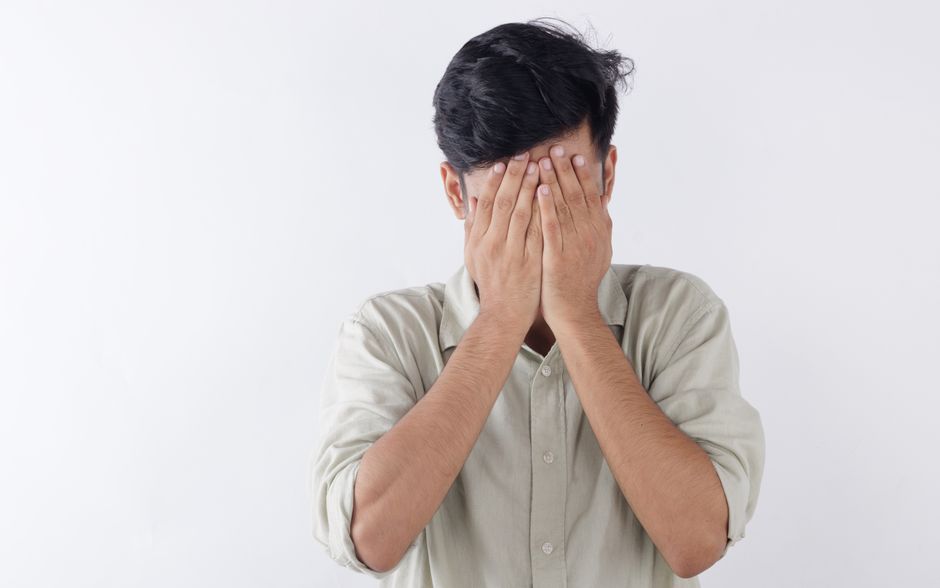
You feel physically anxious but not mentally when your body’s stress response activates without your brain registering a specific worry or threat. This is a common and well-documented experience. The physical symptoms of anxiety can occur independently of anxious thoughts, often driven by automatic processes in your nervous system that bypass conscious awareness.
Why Do I Feel Physically Anxious But Not Mentally?
Your body has a built-in alarm system called the autonomic nervous system. It runs mostly without your conscious control. One part, the sympathetic nervous system, speeds things up. It raises your heart rate, quickens your breathing, and tenses your muscles. This is the fight-or-flight response.
Normally, this system activates when you face a real threat. But sometimes it activates for other reasons. You may have no conscious thoughts about danger, yet your body acts as if danger is present. This disconnect between body and mind is exactly what you are experiencing.
The physical sensations are real. They are not imagined. Your heart may pound, your palms may sweat, and your stomach may churn. These symptoms feel like anxiety because they are the same symptoms anxiety produces. The difference is that the mental component — the worry, the racing thoughts, the sense of dread — is absent.
What Causes Physical Anxiety Symptoms Without Mental Anxiety?
Several distinct mechanisms can trigger physical anxiety symptoms while your mind stays calm. Understanding these can help you identify which one applies to you.
Residual stress activation. Your nervous system does not reset instantly after a stressful event. If you have been under chronic stress, your body can remain in a heightened state. The alarm system stays partially switched on. This means you can feel physical symptoms even when your mind has moved on from the stressor.
Sensory triggers. Your brain processes sensory information below conscious awareness. A sound, a smell, or a visual pattern associated with a past stressful event can activate your body’s stress response before your conscious mind catches up. By the time you notice the physical symptoms, the original trigger has passed.
Breathing patterns. Shallow or irregular breathing can cause physical symptoms that mimic anxiety. When you breathe too shallowly, carbon dioxide levels in your blood shift. This can cause chest tightness, dizziness, tingling in the hands or face, and a racing heart. These symptoms can occur without any anxious thoughts.
Physical conditions. Some medical conditions produce symptoms that feel identical to anxiety. An overactive thyroid, low blood sugar, dehydration, or certain heart rhythm irregularities can all cause palpitations, trembling, and sweating. These conditions do not require any mental anxiety to produce symptoms.
How Does the Body Produce Anxiety Symptoms Without the Mind?
The stress response involves a cascade of hormones and nerve signals. When your brain perceives a threat — consciously or unconsciously — it signals the adrenal glands to release adrenaline and cortisol. These hormones act on your heart, lungs, and muscles.
Adrenaline increases your heart rate and blood pressure. It redirects blood flow to your large muscle groups. It dilates your airways to increase oxygen intake. It also triggers sweating to cool the body. All of these effects are physical. They happen whether or not you have conscious anxious thoughts.
Your brainstem, the most primitive part of your brain, controls many of these responses. It does not require input from the thinking parts of your brain. This means your body can mount a full stress response even when your conscious mind is calm and rational.
Additionally, your amygdala — the brain’s threat-detection center — can activate the stress response without involving the prefrontal cortex, which handles conscious thought. This is why physical symptoms can appear suddenly and without explanation.




What Medical Conditions Mimic Physical Anxiety?
Several medical conditions produce symptoms that closely resemble anxiety. If you experience physical anxiety symptoms regularly, it is worth discussing these possibilities with your doctor.
| Condition | Physical Symptoms That Mimic Anxiety |
|---|---|
| Hyperthyroidism | Rapid heart rate, sweating, trembling, heat intolerance |
| Hypoglycemia (low blood sugar) | Shakiness, sweating, rapid heartbeat, dizziness |
| Cardiac arrhythmias | Palpitations, chest fluttering, shortness of breath |
| Anemia | Fatigue, shortness of breath, rapid heart rate |
| Pheochromocytoma (rare adrenal tumor) | Episodic high blood pressure, sweating, rapid heart rate |
These conditions are diagnosable with simple blood tests, heart monitoring, or other standard evaluations. Your doctor can run these tests to rule out medical causes. If all tests come back normal, your symptoms are likely related to your nervous system’s stress response.
Can Caffeine or Stimulants Cause Physical Anxiety Symptoms?
Yes. Caffeine is a stimulant that activates the same bodily systems involved in the stress response. It blocks adenosine receptors in the brain, which keeps you alert and can raise your heart rate. In sensitive individuals, even moderate amounts of caffeine can produce physical symptoms that feel exactly like anxiety.
Other stimulants have similar effects. Nicotine, certain cold medications containing pseudoephedrine, and some asthma medications can cause jitteriness, rapid heartbeat, and sweating. If your physical symptoms appear after consuming these substances, the cause may be chemical rather than psychological.
Caffeine sensitivity varies widely between individuals. Some people can consume large amounts without physical symptoms. Others experience palpitations and trembling after a single cup. If you suspect caffeine is involved, reducing your intake for a few weeks can clarify whether it is contributing to your symptoms.
How Can I Tell If This Is Anxiety or Something Else?
Pay attention to when your symptoms occur. Physical anxiety symptoms that appear only during specific situations — such as before a presentation or during a conflict — are more likely related to stress. Symptoms that appear randomly, at rest, or during sleep may indicate a different cause.
Consider whether your symptoms come with any mental component. If you notice even slight worry, racing thoughts, or irritability alongside the physical symptoms, you may be experiencing mild anxiety that you are not fully registering. Some people are less aware of their emotional state, especially when busy or distracted.
Track your symptoms for a few weeks. Note the time of day, what you ate, what you drank, and what you were doing when symptoms appeared. This record can be valuable when you discuss your symptoms with a healthcare provider. Patterns can emerge that are not obvious in the moment.
What Can I Do When Physical Anxiety Symptoms Strike?
The first step is to slow your breathing. Breathe in through your nose for a count of four. Hold for a count of four. Breathe out slowly through your mouth for a count of six. Repeat for several minutes. This activates the parasympathetic nervous system, which counters the stress response.
Move your body. Gentle movement can help metabolize excess adrenaline. A short walk, stretching, or simply standing up and changing positions can help your body process the stress hormones more quickly.
Ground yourself in the present. Look around and name five things you can see. This simple exercise shifts your brain’s attention away from internal physical sensations. It does not stop the physical response immediately, but it can reduce the intensity while your body settles.
If symptoms persist or worsen, seek medical evaluation. Persistent physical symptoms deserve proper assessment. Do not assume they are just anxiety. A healthcare provider can determine whether your symptoms stem from your nervous system, a medical condition, or a combination of both.
When Should I See a Doctor?
See a doctor if your physical symptoms are new, severe, or getting worse. Seek prompt medical attention if you experience chest pain that spreads to your arm or jaw, severe shortness of breath, fainting, or a heart rate that stays above 120 beats per minute at rest.
Also see a doctor if physical symptoms interfere with your daily life. If you are avoiding activities because of how your body feels, or if symptoms wake you from sleep, medical evaluation is appropriate. These symptoms are worth understanding, not dismissing.
Remember that experiencing physical anxiety without mental anxiety is not unusual. It is a known phenomenon with identifiable mechanisms. Understanding what is happening in your body reduces the mystery and helps you respond effectively.
Frequently Asked Questions
Can you have physical anxiety symptoms without feeling anxious?
Yes, physical anxiety symptoms can occur without conscious anxious thoughts. Your body’s stress response can activate automatically through the autonomic nervous system, independent of your thinking brain.
Why does my body feel anxious when my mind is calm?
Your body’s stress response is controlled by brain regions that operate below conscious awareness. Triggers like residual stress, breathing patterns, caffeine, or sensory cues can activate physical symptoms without your mind registering any threat.
What medical conditions cause physical anxiety symptoms?
Hyperthyroidism, low blood sugar, cardiac arrhythmias, and anemia can all produce symptoms that mimic anxiety. A doctor can run simple tests to rule out these conditions if you experience persistent physical symptoms.
How do I stop physical anxiety symptoms?
Slow breathing exercises, gentle movement, and grounding techniques can help reduce physical symptoms when they occur. If symptoms are frequent or severe, medical evaluation is recommended to identify the underlying cause.
