
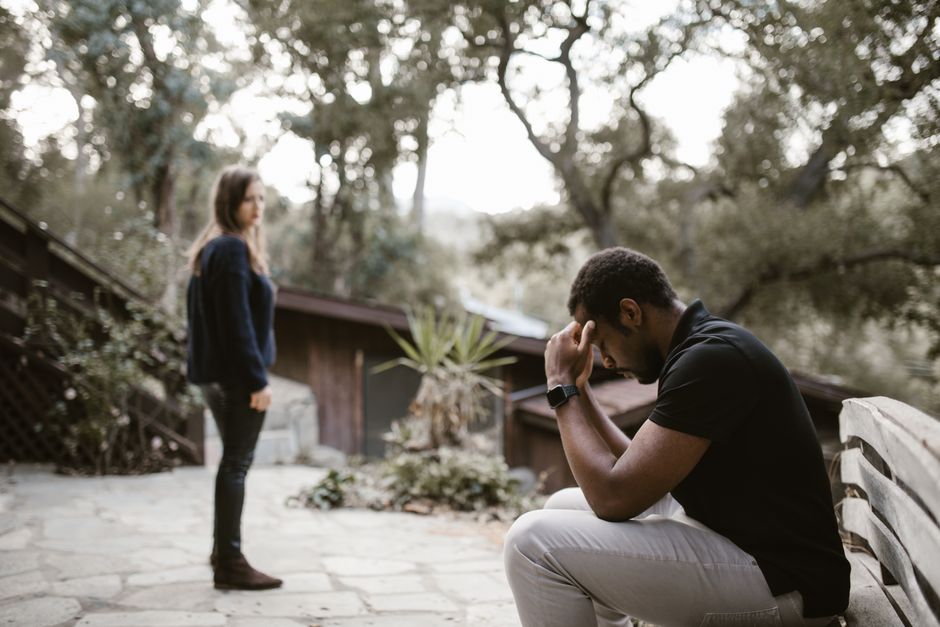
Seeing couples holding hands or laughing together can trigger a sharp, specific kind of loneliness. That reaction is not a character flaw or a sign of weakness. It is your brain comparing your current social situation to a deeply wired human need for connection, and registering a gap.
The feeling usually comes from one of a few places: a real shortage of close relationships, a recent loss or breakup, or a lifetime of watching others pair off while you stay on the outside. Sometimes it is all three at once. The intensity of the feeling does not measure how broken you are. It measures how much connection matters to you, which is a very human thing.
Why Do I Feel Lonely When I See Couples?
Your brain is constantly running comparisons between what you have and what you want. Psychologists call this social comparison, and it happens automatically, often before you are even aware of it. When you see a couple, your mind measures your own relationship status against theirs. If there is a gap, you feel it as loneliness or sadness.
This is not just a mental habit. Loneliness is a biological signal, similar to hunger or thirst. It evolved to push humans toward the group, because for most of our history, being alone was genuinely dangerous. Your body treats social disconnection as a threat, which is why loneliness can feel physical, not just emotional.
There is another layer. Couples often represent something specific: partnership, being chosen, being prioritized by another person. If that is what you want and do not have, seeing it in others can feel like watching a door close. The feeling is not really about the couple in front of you. It is about what they represent.
Is It Normal to Feel This Way Around Happy Couples?
Yes. This is one of the most common human experiences, and it does not mean something is wrong with you. Surveys of loneliness consistently find that adults across all age groups report feeling worse when surrounded by displays of close relationships they do not have.
What matters is what you do with the feeling. Occasional sadness when you see couples is normal and usually passes. Persistent loneliness that lasts for weeks or months and interferes with daily life is a different situation, and it deserves attention.
One clarification worth making: feeling lonely around couples does not automatically mean you want a romantic partner. Some people feel this way because they lack close friendships, family ties, or a sense of community. The couple is just the most visible reminder of the connection they are missing.
What Is Happening in Your Brain and Body?
Loneliness activates parts of the brain involved in detecting social threat. Research using brain imaging has found that chronically lonely people show heightened activity in regions tied to monitoring for social danger, and they tend to read neutral faces as more hostile or rejecting.
This is a protective response that backfires. When you feel socially threatened, you may withdraw, avoid eye contact, or assume others do not want you around. That behavior makes connection harder, which deepens the loneliness. The cycle is well documented.
The body responds too. Chronic loneliness is associated with higher levels of stress hormones and increased inflammation. Research has linked long-term loneliness to worse cardiovascular health and, in some studies, higher mortality risk. The effect sizes vary across studies, and researchers are still working out how much of this is loneliness itself versus the health behaviors that often come with it.
What is clear: loneliness is not just a mood. It has measurable effects on the body over time.





Why Does It Hit Harder After a Breakup or Loss?
After a breakup, your brain has to rebuild a routine that used to include another person. The comparison to couples is not abstract anymore. It is personal. You are not just seeing two people together. You are seeing what you had and lost.
Grief and loneliness overlap here. The same regions of the brain that process physical pain are involved in processing social rejection and loss. That is why a breakup can literally ache.
If you lost a partner through death, the reaction is different again. Seeing other couples can bring both grief and loneliness at the same time. That combination is normal and does not follow a fixed timeline. Some people feel it intensely for months. Others feel it in waves for years. There is no correct schedule.
Why Does Social Media Make It Worse?
Social media amplifies the comparison. You are not just seeing one couple at a restaurant. You are seeing curated highlights from dozens of people, often edited, filtered, and chosen to look perfect.
The research here is mixed. Some studies find that passive scrolling is linked to worse mood and more loneliness. Others find the relationship depends on how you use the platform and who you follow. What most researchers agree on is that comparing your real life to other people’s edited highlights tends to make anyone feel worse.
One practical observation: the couples you see online are not showing you their arguments, their boredom, or their doubt. You are comparing your full reality to their highlight reel. That is not a fair comparison, and your brain does not automatically know that.
What Actually Helps With This Feeling?
The evidence on loneliness interventions is not as strong as you might expect. A widely cited review of loneliness interventions found that many programs have modest effects, and the strongest results tend to come from approaches that target negative thinking patterns rather than just increasing social contact.
That is worth sitting with. Simply being around more people does not always fix loneliness. What helps more often is changing how you interpret social situations and rebuilding a sense of connection, even in small doses.
Things that have some research support:
- Challenging the automatic assumption that others are judging or rejecting you
- Maintaining a few close relationships rather than many shallow ones
- Volunteering or joining groups built around a shared activity, which creates connection without the pressure of romance
- Limiting passive social media scrolling, especially when you are already feeling low
- Talking to a therapist, particularly if loneliness has lasted a long time or comes with depression
What does not have strong evidence: forcing yourself to date when you do not want to, or telling yourself you should be happy for others and just get over it. Suppressing the feeling does not usually make it go away.
When Should You Take It More Seriously?
Loneliness that lasts for weeks or months, disrupts sleep, affects appetite, or comes with persistent sadness or hopelessness is worth discussing with a doctor or mental health professional. Chronic loneliness is associated with depression, and the two often reinforce each other.
If you have thoughts of harming yourself, that is a medical emergency. In the US, you can call or text 988 to reach the Suicide and Crisis Lifeline at any time.
For most people, the feeling of loneliness around couples is painful but not dangerous. It is a signal, not a verdict. It tells you that connection matters to you. What you do with that signal is where things can change.
Frequently Asked Questions
Why do I feel lonely when I see happy couples?
Your brain compares your situation to theirs and registers a gap between what you have and what you want. That gap triggers loneliness, which is a normal biological signal for social connection.
Is it normal to feel sad around couples?
Yes, it is one of the most common human experiences and does not mean something is wrong with you. Persistent loneliness lasting weeks or months is different and worth discussing with a professional.
Does seeing couples mean I want a relationship?
Not necessarily. Many people feel this way because they lack close friendships or community, not romance. The couple is just the most visible reminder of the connection they are missing.
How do I stop feeling lonely around couples?
Research suggests that changing negative thinking patterns helps more than simply being around more people. Building a few close relationships and limiting passive social media scrolling also have some support.
