
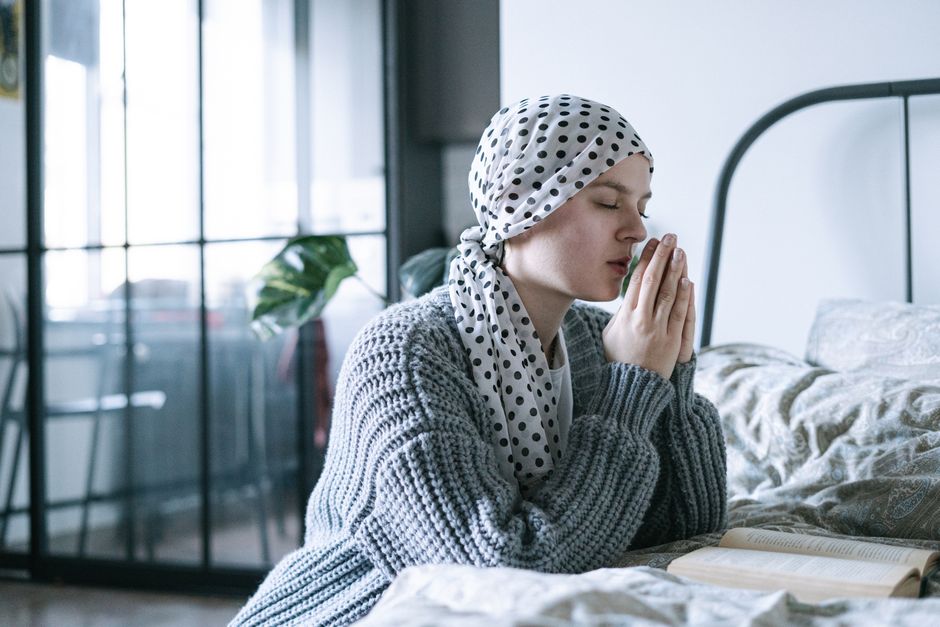
If you have ever finished a prayer and felt a wave of calm, lightness, or relief, you are not imagining it. Prayer changes what your brain and body are doing in that moment. Brain imaging studies show that prayer and similar contemplative practices activate regions tied to attention, emotional regulation, and reward, while quieting the stress response. That combination of a calmer nervous system and a shift in how you feel about your problems is why prayer often leaves people feeling better.
Why Do I Feel Better After Praying Science Explains
The short answer is that prayer is a form of focused mental activity that produces measurable changes in the body. It is not magic and it is not only belief. Several well-understood mechanisms are working at the same time.
When you pray, you typically slow your breathing, settle your posture, and turn your attention inward or toward something you consider meaningful. That shift alone can move you out of a stress state. The body’s stress response, driven by the sympathetic nervous system and hormones like cortisol and adrenaline, tends to quiet down when attention is steady and breathing is slow. Heart rate can drop. Muscles relax. Digestion can resume. These are ordinary physiological responses, not supernatural ones.
There is also a cognitive piece. Prayer usually involves naming what worries you, asking for help, or expressing gratitude. Putting a vague, swirling fear into words can make it feel more manageable. Psychologists sometimes call this “affect labeling,” and research suggests that naming an emotion can reduce its intensity in the brain. Prayer often does this naturally.
Finally, prayer frequently carries meaning. Humans tend to feel better when a difficult experience is placed inside a larger framework, whether that is faith, community, or a sense of purpose. Meaning does not remove the problem, but it changes how heavy the problem feels.
What Happens in the Brain During Prayer?
Brain imaging studies of prayer and similar practices show a fairly consistent pattern. Activity increases in the prefrontal cortex, the area involved in attention and self-regulation. Activity tends to decrease in parts of the brain associated with mind-wandering and self-focused rumination, sometimes called the default mode network.
Researchers studying religious and spiritual experiences have reported changes in regions tied to reward and emotion, including the nucleus accumbens and parts of the limbic system. This may help explain the sense of comfort or closeness people describe during prayer. It is worth being careful here: prayer is hard to study in a lab, and different traditions, words, and intentions may engage the brain differently. The research is real but not uniform.
What is clearer is that the state prayer produces resembles other focused practices. Slow breathing, repetition, and sustained attention appear in meditation, chanting, and prayer across many cultures. The overlap suggests the benefits come partly from the practice itself, not only from the specific beliefs attached to it.
Does Prayer Lower Stress Hormones and Blood Pressure?
Some studies have found lower cortisol levels and reduced blood pressure during or after prayer and meditation. The evidence is mixed, and results vary by study design, population, and how prayer was measured.
One reasonable conclusion: prayer that produces relaxation can plausibly reduce acute stress markers in the moment. Whether regular prayer lowers long-term blood pressure or cortisol in a meaningful, lasting way is less settled. Some studies suggest a modest effect, while others find little difference once factors like social support and overall lifestyle are accounted for.
This is an area where the honest position is caution. Prayer may support relaxation, but it is not a treatment for high blood pressure or a substitute for medical care. If you have a diagnosed condition, prayer can sit alongside treatment. It does not replace it.





Is It the Prayer or the Belief That Makes You Feel Better?
Both matter, and they are hard to separate. Belief shapes expectation, and expectation shapes experience. If you expect prayer to bring comfort, you are more likely to notice comfort when it comes.
That does not make the effect fake. The placebo response is a genuine biological event. Expectation can change pain perception, stress hormones, and even how the brain processes symptoms. So when someone says prayer helped them feel calmer, that report can be completely real even if part of the effect comes from belief.
At the same time, the practice itself does work. Slow breathing and focused attention produce effects whether or not you believe in them. That is why people who are not religious can still feel calmer after a few minutes of quiet, repetitive reflection.
The non-obvious point here is that “it’s just the placebo effect” is not the dismissal people think it is. Placebo responses are measurable and can be meaningful. The mistake is assuming prayer does something it does not, like curing disease.
Can Prayer Improve Mental Health?
For many people, prayer is linked to better emotional coping. Research on religion and health has found associations between regular spiritual practice and lower rates of depression, anxiety, and substance use in some populations. These are associations, not proof of cause. People who pray regularly may also have stronger social ties, more structure, and healthier habits, all of which affect mental health on their own.
Prayer can also go the other way. Some people experience religious struggle, guilt, or anxiety tied to prayer, especially when they feel their prayers are unanswered or when they blame themselves for suffering. Research on this kind of spiritual struggle suggests it can worsen mental health rather than help it.
So the effect is not automatic. Prayer that feels supportive and grounding tends to help. Prayer that feels pressured, fearful, or punishing tends not to.
How Does Prayer Compare to Meditation?
Prayer and meditation overlap more than most people realize. Both involve focused attention, slowed breathing, and a shift away from rumination. The main differences are content and framing.
| Feature | Prayer | Meditation |
|---|---|---|
| Focus | Often directed toward a deity or higher power | Often the breath, a phrase, or open awareness |
| Typical goal | Connection, petition, gratitude, or worship | Calm, insight, or attention training |
| Common effects | Relaxation, meaning, emotional relief | Relaxation, emotional regulation, focus |
| Evidence base | Growing but mixed | Broader and more established |
Neither is better in a general sense. What matters is fit. A practice you will actually do, and that leaves you calmer rather than more tense, is likely to help more than one that is technically “better” but that you avoid.
Does Prayer Have Limits You Should Know About?
Yes, and being clear about them protects people. Prayer has not been shown to cure cancer, reverse heart disease, or replace treatment for serious illness. Studies testing prayer as a medical intervention, including some large trials on intercessory prayer for patients, have not produced reliable evidence that it changes medical outcomes.
That finding does not conflict with the personal experience of feeling better after praying. Feeling calmer, more supported, and more hopeful is a real benefit. It is just a different kind of benefit than curing a disease.
If prayer helps you cope, that is worth something. If you are using prayer instead of care for a condition that needs treatment, that is where it can become harmful. The two are not in competition. Most people can have both.
Frequently Asked Questions
Why do I feel better after praying?
Prayer slows breathing, focuses attention, and quiets the stress response, which can produce calm and relief. The sense of meaning and connection it creates adds to that effect.
Is the calm feeling after prayer just placebo?
Belief and expectation play a real role, but the physical effects of slow breathing and focused attention are genuine regardless of belief. The placebo response itself is a measurable biological event, not a fake one.
Can prayer lower blood pressure or stress hormones?
Some studies suggest prayer and similar practices can reduce acute stress markers in the moment. The evidence for lasting effects on blood pressure or cortisol is mixed and not strong enough to treat prayer as a medical therapy.
Can prayer replace medical treatment?
No. Prayer has not been shown to cure disease or replace treatment for serious illness. It can support coping alongside medical care, but it is not a substitute for it.
