
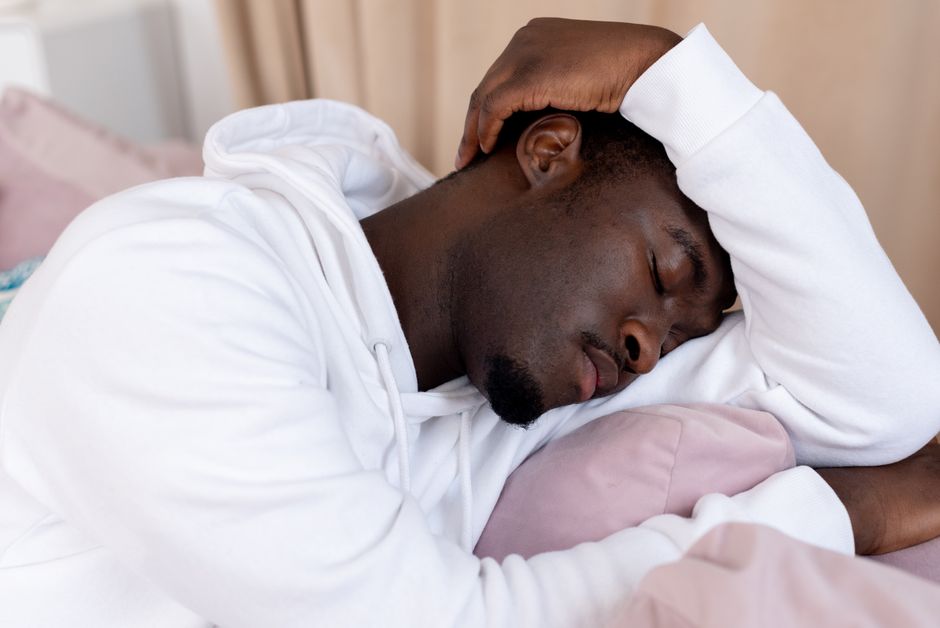
You sit down to read a book, watch a show, or work on a task, and within minutes your eyes are heavy. It is not a lack of interest in what you are doing. It is a common and predictable physical response. Falling asleep when you sit down usually happens because your body shifts into a rest state, your blood pressure and heart rate drop, and your brain connects being seated with being in bed.
Why Do You Fall Asleep When I Sit Down
The main reason is a change in your body’s position and activity level. When you stand or move, your muscles work to keep you upright. That work keeps your nervous system alert. When you sit, those muscles relax. Your heart rate slows. Your blood pressure drops slightly. Your brain receives fewer signals telling it to stay awake.
This is not a sign of laziness or boredom. It is a normal physiological response. The body is efficient. It uses stillness as a cue for rest. If you are already tired, that cue is enough to push you over the edge into sleep.
Another factor is what happens after a meal. Digestion requires blood flow to the stomach and intestines. That redirects blood away from the brain and muscles. The combination of a full stomach and a comfortable chair is a strong sleep trigger.
What Happens in Your Body When You Sit Down
Your cardiovascular system adjusts immediately. When you stand, gravity pulls blood into your legs. Your veins and muscles work against gravity to push it back to your heart. When you sit, that work stops. Blood pools slightly in the lower body. Blood pressure in the upper body falls.
Your brain notices this change. It interprets reduced physical demand as a signal that the day is winding down. This activates the parasympathetic nervous system, sometimes called the rest-and-digest system. Heart rate slows. Breathing becomes deeper and more regular. Body temperature begins to drop slightly. These are the same changes that happen as you fall asleep at night.
For people who are already sleep-deprived, this response is even stronger. The body has a sleep debt. Any quiet moment becomes an opportunity to pay it back. Sitting down is the perfect opportunity.
Is Falling Asleep When You Sit Down Normal
For most people, yes. Occasional sleepiness when sitting is normal, especially after a long day or a heavy meal. It becomes a concern when it happens every time you sit down, no matter how much sleep you got the night before.
Frequent and uncontrollable sleepiness during the day may point to an underlying issue. The most common is insufficient sleep. Adults generally need seven to nine hours per night. If you are consistently below that, your body will find ways to catch up.
Other possible causes include anemia, low thyroid function, or blood sugar problems. Some medications cause drowsiness as a side effect. If the sleepiness is new, getting worse, or happening despite adequate sleep, a medical evaluation is reasonable.





Sleep Debt and the Pressure to Sleep
Sleep pressure builds the longer you stay awake. A chemical called adenosine accumulates in the brain throughout the day. It binds to receptors and makes you feel drowsy. Sleep clears it from the brain. If you are not getting enough sleep, adenosine levels never fully reset.
This is why you can drink coffee and still feel sleepy when you sit down. Caffeine blocks adenosine receptors temporarily. It does not remove the adenosine. When the caffeine wears off, the sleep pressure returns. Sitting down removes the distractions that were keeping you awake, and the sleep pressure becomes impossible to ignore.
Napping can help, but timing matters. A short nap of 10 to 20 minutes can restore alertness without leaving you groggy. Longer naps may leave you feeling worse because you wake up from a deep sleep stage.
Medical Conditions That Cause Excessive Sleepiness
Sometimes the problem is not just a sleep debt. Several medical conditions cause excessive daytime sleepiness, even after a full night of rest.
Sleep apnea is one of the most common. People with sleep apnea stop breathing briefly during sleep, sometimes hundreds of times per night. They may not remember waking up, but the sleep is fragmented and unrefreshing. Daytime sleepiness is a hallmark symptom. Loud snoring, gasping during sleep, or waking with a dry mouth are additional clues.
Narcolepsy is less common but causes sudden, overwhelming sleep attacks. People may fall asleep mid-conversation or while driving. This condition requires evaluation by a sleep specialist.
Restless legs syndrome can also interfere with sleep quality. The urge to move the legs at night makes it hard to fall asleep or stay asleep, leading to daytime tiredness.
If you consistently fall asleep within minutes of sitting down, even when you had seven to nine hours of sleep, mention it to your doctor. A sleep study may be recommended.
How to Stay Awake When You Sit Down
If you need to stay alert while seated, the most effective strategy is to address the underlying sleep debt. No trick can fully replace adequate sleep. But several strategies can help in the moment.
Change your position. Sit on the edge of your chair instead of leaning back. Upright postures require more muscle activity, which keeps the brain more alert.
Move your body. Small movements matter. Shifting your weight, stretching your legs, or standing up for a minute can reset your alertness.
Brighten the room. Dim lighting signals the brain that it is time to rest. Bright light, especially daylight, suppresses melatonin and promotes wakefulness.
Cool the room. Warm environments promote sleep. A cooler room keeps your core temperature higher, which supports alertness.
Eat lightly. Large meals increase the blood flow to the digestive system and amplify sleepiness. A lighter meal with protein and vegetables is less likely to cause a post-meal slump.
Stay hydrated. Mild dehydration can cause fatigue. Drink water throughout the day, not just when you feel thirsty.
When to Talk to a Doctor
Occasional sleepiness when sitting is not a medical problem. But you should seek medical advice if you experience any of the following:
- Falling asleep while driving or operating machinery
- Sleepiness that interferes with work or daily responsibilities
- Loud snoring or gasping during sleep
- Waking up unrefreshed after seven or more hours of sleep
- Sudden muscle weakness when you feel strong emotions
- Sleepiness that persists despite consistent, adequate sleep
These symptoms may point to a treatable condition. Sleep apnea, for example, is highly treatable with continuous positive airway pressure therapy. Many people report a dramatic improvement in daytime alertness once treatment begins.
Frequently Asked Questions
Why do I fall asleep every time I sit down?
Your body uses stillness as a cue for rest, and sitting relaxes the muscles that keep you alert. If you carry any sleep debt, that stillness is enough to trigger sleep.
Is falling asleep when sitting a sign of a health problem?
It can be, especially if it happens despite getting seven to nine hours of sleep. Conditions like sleep apnea, anemia, or low thyroid function can cause excessive daytime sleepiness.
How can I stop falling asleep when I sit down?
Get enough sleep at night, sit on the edge of your chair, keep the room bright and cool, and avoid heavy meals before sitting. If the problem persists, see a doctor.
Does falling asleep when sitting mean I have narcolepsy?
Not usually. Narcolepsy involves sudden sleep attacks even during activity, not just when sitting. Occasional sleepiness when seated is far more likely related to sleep debt than to narcolepsy.
