
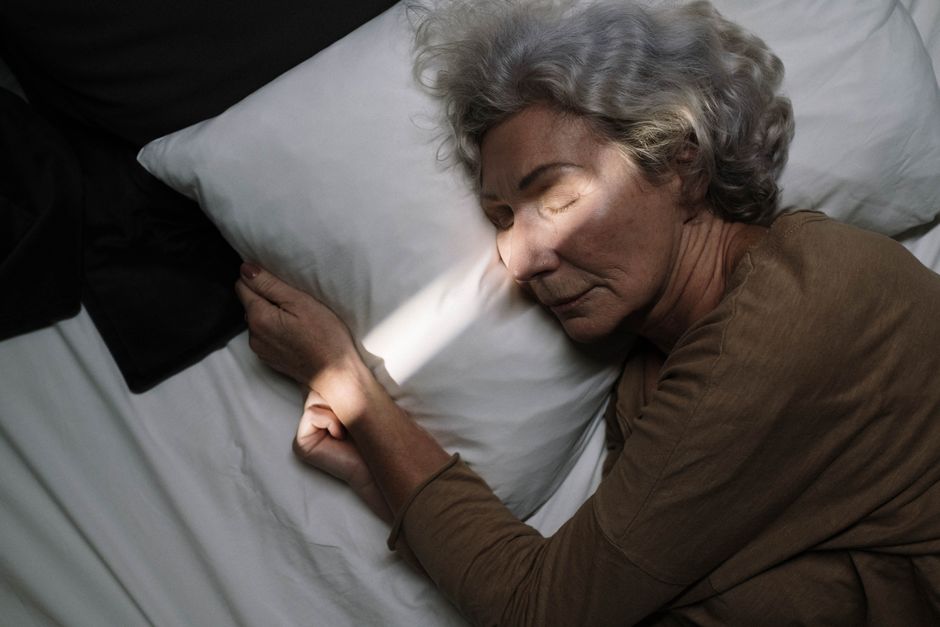
Falling asleep easily sounds like a blessing, but when it happens at your desk, behind the wheel, or during a conversation, it is a warning sign. This isn’t just about being tired. It is about your brain’s sleep drive overpowering your conscious control. The causes range from simple sleep debt to underlying medical conditions like sleep apnea or narcolepsy. Understanding the specific reason you are falling asleep is the first step toward fixing it.
What Is the Difference Between Being Tired and Falling Asleep Involuntarily?
Everyone feels tired. Fatigue is a feeling of low energy or exhaustion. Falling asleep involuntarily is different. It means your brain has actually transitioned into sleep mode without your permission. You lose awareness of your surroundings.
This distinction matters. Feeling tired is often a lifestyle issue. Involuntary sleep is a neurological event. When you fall asleep without trying, your brain is enforcing a biological need that you have been ignoring. It is not a choice. It is a reflex.
If you are dozing off in situations where you need to stay awake — like driving or working — you have excessive daytime sleepiness. This is a clinical symptom, not a personality flaw. It deserves the same attention as chest pain or a persistent cough.
Why Do I Fall Asleep So Easily Causes Explained: The Sleep Drive
Your brain regulates sleep through two main systems. The first is the circadian rhythm, your internal 24-hour clock. The second is sleep pressure, also called sleep drive. Sleep drive builds up the longer you stay awake. It is driven by a chemical called adenosine.
Adenosine accumulates in your brain during waking hours. It binds to receptors and makes you feel drowsy. Caffeine works by blocking these receptors. That is why coffee keeps you awake. When adenosine levels get high enough, your brain will force sleep regardless of your environment.
If you are falling asleep easily and often, your adenosine levels are likely high. That means you are not getting enough sleep at night. The average adult needs 7 to 9 hours of sleep per 24-hour period. If you are consistently below that, your sleep debt grows. Your brain will eventually collect that debt during the day, whether you like it or not.
What Medical Conditions Cause Excessive Daytime Sleepiness?
Sleep debt is the most common cause, but it is not the only one. Several medical conditions cause excessive daytime sleepiness even in people who believe they sleep enough at night.
Sleep apnea is one of the most common. In sleep apnea, your airway collapses during sleep, stopping your breathing for seconds at a time. Your brain wakes you briefly to restart breathing. This can happen hundreds of times a night. You may not remember these awakenings, but they fragment your sleep and prevent deep restorative stages. People with sleep apnea often sleep 8 or 9 hours and still feel exhausted. Loud snoring, gasping at night, and morning headaches are common clues.
Narcolepsy is a less common but serious cause. It is a neurological disorder where the brain cannot regulate sleep-wake cycles normally. People with narcolepsy may fall asleep suddenly during any activity. They may also experience sudden muscle weakness triggered by emotions, called cataplexy. This condition usually begins in the teens or twenties, but it can appear later.
Restless legs syndrome can also cause daytime sleepiness. It creates an irresistible urge to move your legs at night, making it hard to fall asleep or stay asleep. The sleep you do get is poor quality.
Other conditions like thyroid disorders, anemia, and depression are also linked to excessive sleepiness. If you are sleeping 8 hours a night and still falling asleep during the day, you need a medical evaluation. This is not normal and not something to manage with more coffee.





Could It Be Narcolepsy or Idiopathic Hypersomnia?
Narcolepsy and idiopathic hypersomnia are two distinct sleep disorders that cause severe daytime sleepiness. They are often confused with each other.
Narcolepsy involves sudden sleep attacks. You can be mid-conversation and fall asleep. It is caused by the loss of hypocretin, a brain chemical that regulates wakefulness. Not everyone with narcolepsy has cataplexy, but many do. Diagnosis requires an overnight sleep study followed by a multiple sleep latency test, which measures how quickly you fall asleep during daytime naps.
Idiopathic hypersomnia is different. People with this condition feel an overwhelming need to sleep but do not have sudden sleep attacks. They may sleep 10 to 12 hours at night and still need long naps during the day. These naps are often unrefreshing. The cause is unknown, which is what “idiopathic” means. Diagnosis is made after excluding all other causes.
Both conditions are treatable but not curable. Stimulant medications can help maintain wakefulness. If you suspect either condition, a sleep specialist is the right doctor to see. Self-diagnosis is not reliable here.
How Much Sleep Do You Actually Need?
Sleep needs vary by age and individual biology. The Centers for Disease Control and Prevention and the American Academy of Sleep Medicine both recommend 7 or more hours per night for adults aged 18 to 60. Some people genuinely function well on 6 hours, but this is rare. Most people who claim to need less sleep are actually running on chronic sleep debt.
Sleep quality matters as much as quantity. You can sleep 8 hours and still wake up unrefreshed if your sleep is fragmented. Deep sleep, also called slow-wave sleep, is the most restorative stage. It is hardest to achieve when you drink alcohol close to bedtime, use screens late at night, or have untreated sleep apnea.
If you are falling asleep during the day, your body is telling you that your sleep is insufficient in quantity, quality, or both. Trust that signal. Adding 30 to 60 minutes of sleep per night is a reasonable first step for many people. If that does not help within two weeks, see a doctor.
What Can You Do Right Now to Stay Awake Safely?
If you are struggling to stay awake right now, the safest answer is to sleep. A 20-minute nap can restore alertness without leaving you groggy. Longer naps can cause sleep inertia, which is the heavy grogginess after deep sleep.
Caffeine is a temporary tool. It blocks adenosine receptors for a few hours. The half-life of caffeine is about 5 to 6 hours, meaning half of it is still in your system that long after you drink it. Avoid caffeine after early afternoon if you have trouble sleeping at night.
Light exposure helps regulate your circadian rhythm. Bright light in the morning signals your brain to be awake. Dim light in the evening signals melatonin production. If you work indoors all day, getting outside for even 15 minutes in the morning can help.
Physical movement helps too. Sitting still promotes sleepiness. Standing, stretching, or walking for a few minutes can raise your heart rate and alertness temporarily. This is not a cure for sleep debt. It is a bridge to get you to a safe time to sleep.
When Should You See a Doctor?
Falling asleep during the day occasionally after a poor night of sleep is not alarming. Falling asleep daily, or falling asleep while driving, is a medical emergency in practical terms. You are putting yourself and others at risk.
See a doctor if you meet any of these criteria:
- You fall asleep during the day most days despite getting 7 or more hours of sleep at night.
- You have fallen asleep while driving or have had a near-miss.
- Your bed partner reports loud snoring or pauses in your breathing at night.
- You wake up with headaches, a dry mouth, or a feeling of choking.
- You have sudden muscle weakness when you laugh or feel strong emotions.
Your primary care doctor can start the evaluation. They may order blood tests to check your thyroid and iron levels. They may refer you to a sleep specialist for an overnight sleep study. This test records your brain waves, breathing, heart rate, and oxygen levels while you sleep. It is the gold standard for diagnosing sleep apnea and other sleep disorders.
Treatment depends on the cause. Sleep apnea is often treated with a CPAP machine, which keeps your airway open with gentle air pressure. Narcolepsy and idiopathic hypersomnia are treated with wake-promoting medications. Sleep debt is treated with more sleep. The right treatment is highly effective. The wrong treatment, or no treatment, leaves you at risk.
Frequently Asked Questions
Why do I fall asleep so easily when I sit down?
Your brain associates sitting still with a safe opportunity to sleep, and if you have sleep debt, it will take that chance. It is a sign that your sleep need is not being met at night.
Is falling asleep easily a sign of a medical problem?
It can be. Occasional sleepiness after a bad night is normal, but daily involuntary sleep may indicate sleep apnea, narcolepsy, or another sleep disorder.
Can anxiety or stress cause me to fall asleep easily?
Stress usually causes insomnia, not excessive sleepiness. However, chronic stress is exhausting and can contribute to poor sleep quality, which increases daytime sleepiness.
What is the best test for excessive daytime sleepiness?
The multiple sleep latency test is the standard test. It measures how quickly you fall asleep during scheduled naps in a controlled setting.
