
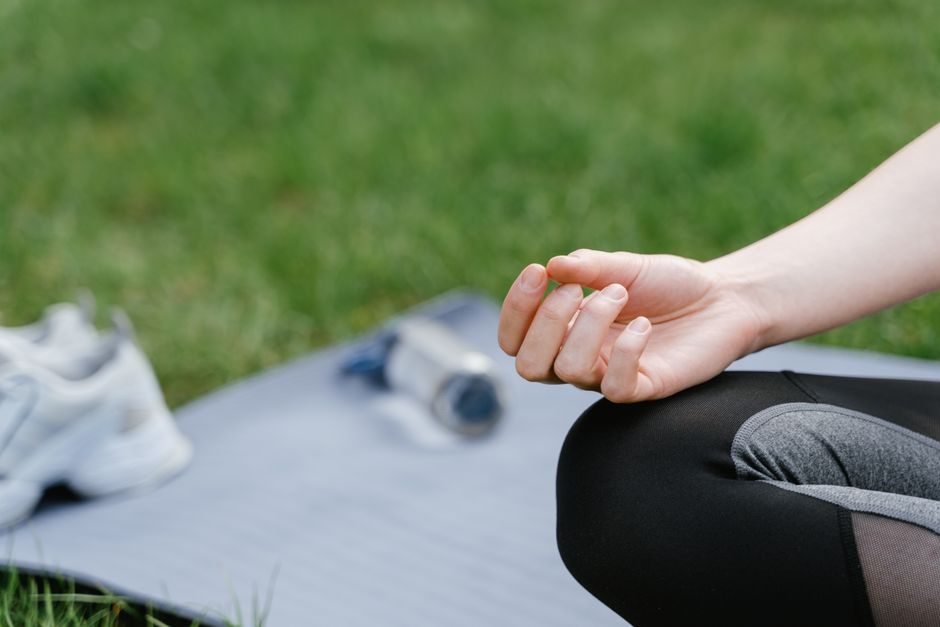
Crying during meditation is common, and it is not a sign you are doing it wrong. Meditation lowers arousal and shifts attention inward, and for many people that combination lets emotions surface that daily life keeps pushed down. Tears are one of the body’s normal responses to that release. For most people, it is a passing reaction, not a warning sign.
What matters is what the crying means for you. A single tearful session after a hard week is different from sobbing every time you close your eyes. Understanding the likely cause helps you decide whether to let it happen, adjust your practice, or talk to someone.
Why Do I Cry When I Meditate? Causes And What To Do
The main reason is that meditation reduces the mental and physical guard you normally keep up. When your guard drops, feelings that were held back have room to move. That is the short version. The rest comes down to several specific mechanisms.
Your nervous system shifts toward calm
Slow breathing and a quieter environment activate the parasympathetic branch of your nervous system, the part that handles rest and recovery. Heart rate and blood pressure tend to drop slightly. Muscle tension eases. This shift is well established in physiology. What is less predictable is the emotional side: when the body relaxes, stored tension sometimes releases as tears. This is the same reason people cry after a stressful event ends, not during it.
Attention turns inward
Most of the day your attention points outward at tasks, screens, and conversations. Meditation reverses that. Turning attention inward can bring up thoughts and feelings you had not noticed. This is not a flaw in the practice. It is often the point. But it can be surprising, especially in the first few weeks.
Suppressed emotion has somewhere to go
Many people keep difficult feelings at a distance without realizing it. Busy schedules, caregiving, and work pressure all make it easy to postpone grief, sadness, or old frustration. Meditation removes the distraction. When the distraction goes, the feeling is still there. Tears are one way the body discharges that buildup.
Physical factors can add to it
Not every meditation tear is emotional. Dry eyes, tiredness, and eye strain can all cause watering. If you meditate with your eyes closed and slightly squeezed, or after a long day of screen use, the tears may be simple irritation. Yawning during meditation can also trigger tears. Pay attention to whether the crying comes with a feeling or just wet eyes.
Is Crying During Meditation Normal?
Yes. Crying during meditation is a normal reaction and is widely reported by people who practice. Teachers of meditation and mindfulness programs see it regularly, especially in longer sessions and retreats.
It is worth separating two things. Emotional tears are different from the reflex tears you get from wind or onions. Research has found that emotional tears carry different proteins and hormones than reflex tears, though the purpose of those differences is still being studied. The evidence that crying “releases toxins” is weaker than the internet suggests. What is clear is that crying is a normal physiological response to strong emotion, and it is not harmful in itself.
Frequency varies widely. Some people cry once and never again. Others cry several times in their first month of practice and then it fades. Neither pattern is better.
What Does It Mean If I Cry Every Time I Meditate?
Crying every session usually means there is a lot of unprocessed feeling close to the surface. That is not necessarily a problem, but it deserves attention rather than being ignored.
Ask yourself a few questions. Did something difficult happen recently? Are you grieving? Are you under unusual stress? If the answer is yes, the crying makes sense and will likely ease as the feeling is worked through.
There is another possibility worth naming. In rare cases, intense meditation can bring up distressing material that feels overwhelming rather than releasing. Some meditation researchers have documented difficult or unsettling experiences during intensive practice, particularly on long retreats. If your sessions leave you more anxious, more raw, or unable to settle afterward, that is a signal to slow down and possibly talk to a mental health professional.
If you have a history of trauma, meditation that focuses on bodily sensation or opens up difficult memories can sometimes bring on strong reactions. Some clinicians recommend trauma-informed approaches or working with a teacher who understands this. This is an area where the evidence is still developing, and guidance should come from a qualified professional who knows your history.
How Do I Stop Crying When I Meditate?
You do not have to stop. If the crying feels like release and you feel calmer afterward, letting it happen is reasonable. Suppressing it tends to make the session harder, not easier.
If you would like to reduce it, these adjustments are practical and low risk:
- Shorten your sessions. Ten minutes may be more comfortable than thirty while you adjust.
- Open your eyes slightly or meditate with eyes open on a fixed point. This can reduce both emotional intensity and simple eye watering.
- Try a more structured practice. Guided meditation or focusing on sounds can be less emotionally open-ended than silent, inward-focused sitting.
- Change the time of day. Late evening sessions, when you are tired, often bring up more emotion.
- Check your posture. A slumped position restricts breathing and can increase discomfort and tears.
- Address dry eyes if that is a factor. Eye drops and breaks from screens may help. If eye watering is frequent outside meditation, see an eye doctor.
None of these are medical treatments. They are practical adjustments to your practice. If crying continues to feel distressing rather than relieving, the issue is worth discussing with a doctor or therapist.
When Should Crying During Meditation Concern You?
Crying is not a medical problem on its own. It becomes worth checking when it comes with other signs.
Seek professional support if any of the following apply:
- The crying spreads beyond meditation into daily life and you cannot control it.
- You feel persistently low, hopeless, or unable to enjoy things for weeks.
- Meditation leaves you more anxious, panicky, or unsettled rather than calmer.
- You have thoughts of harming yourself. In the US, you can call or text 988 to reach the Suicide and Crisis Lifeline.
- The crying is paired with physical symptoms such as eye pain, redness, or vision changes, which should be checked by a doctor.
These signs do not mean meditation caused a problem. They mean something else may need attention, and meditation simply brought it into view.
How Should I Respond When It Happens?
Let the tears come if they are not distressing. Keep breathing slowly. Do not rush to analyze the feeling in the moment. If you need to stop, stop. Ending a session early is not failure.
Afterward, take a few minutes to notice how you feel. Calmer, lighter, or raw and shaky are all possible. If you feel lighter, the crying did its job. If you feel worse, note it and consider a shorter or more structured practice next time.
One non-obvious point: crying during meditation is not proof the practice is “working” any better than a calm session. Meditation has benefits that do not depend on tears. A quiet, uneventful session is just as valid as an emotional one. Do not chase the crying or treat it as a measure of progress.
Frequently Asked Questions
Is it normal to cry during meditation?
Yes, it is a common and normal reaction. Meditation relaxes your guard and turns attention inward, which can let held-back emotions surface.
Why do I cry when I meditate even when I am not sad?
Tears can come from physical causes like tired eyes or yawning, or from tension releasing as your body relaxes. Not every meditation tear is tied to sadness.
Should I stop meditating if I cry every time?
Not necessarily. If the crying feels like release and you feel calmer afterward, you can continue. If it feels distressing or leaves you anxious, shorten sessions and consider talking to a mental health professional.
Does crying during meditation mean it is working?
No. Crying is not a measure of success. A calm, tear-free session is just as valid as an emotional one.
