
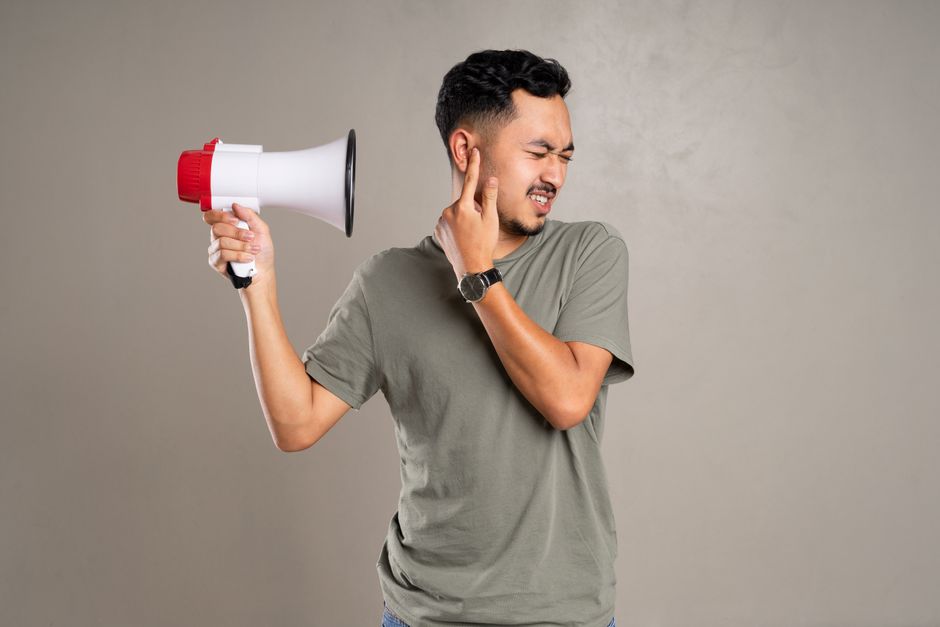
Crying at loud noises is a real reflex, not a sign of weakness. Sudden or intense sound can trigger a stress response in the brain and body, and in some people that response includes tears. The reaction is most common in people whose nervous systems are more sensitive to sound, and it overlaps with several recognized conditions, including misophonia and hyperacusis. For many people, the crying is less about the noise itself and more about what the noise signals to the body: alarm, overload, or loss of control.
Why Do I Cry When I Hear Loud Noises Explained
The crying is a stress response, and sound is the trigger. When a noise arrives suddenly or at high volume, the brain’s threat-detection system can react before you have time to think about it.
A structure called the amygdala helps flag potential danger. Loud, sharp, or unpredictable sounds are easy for it to flag. That sets off the body’s fight-or-flight response: heart rate rises, muscles tense, and stress hormones including adrenaline and cortisol are released. In some people, this chain of events ends in tears.
Tears themselves are not simple. Researchers have identified different types, including emotional tears that contain stress-related proteins and hormones. Crying after a stress spike may be part of how the body settles back down, though the research on that calming effect is suggestive rather than settled. The crying is best understood as one output of an overactive alarm system, not a separate problem.
Two things matter for understanding your own reaction. First, the trigger is often the quality of the sound — sudden, harsh, unpredictable — more than raw loudness. Second, the response can happen even when you know rationally that you are safe. The body reacts to the sound pattern, not to your reasoned assessment of it.
How Does Sound Trigger Tears in the Body?
Sound travels through the ear and is converted into nerve signals that reach the brain within milliseconds. Some of those signals go to emotional and threat-processing centers before they reach the parts of the brain involved in conscious reasoning.
That shortcut is why a loud bang can make you flinch or tear up before you have identified what made the noise. The body responds first. The thinking brain catches up a moment later.
For people who cry at loud sounds, this pathway appears to be more easily activated, or the calming pathway that should switch it off is slower to engage. The result is a stress surge that the usual coping systems do not fully absorb, and tears are one way that surge comes out.
There is also a learned component. If loud noises were paired with something frightening or painful earlier in life, the brain can store that association. A similar sound later can trigger the same response, even in a safe setting. This is ordinary fear learning, not a character flaw.
Is Crying at Loud Noises a Sign of Misophonia or Hyperacusis?
It can be, but not always. Crying at loud noises is a symptom that appears across several different conditions, and it also happens in people who have none of them.
Misophonia is a condition in which specific sounds — often everyday ones like chewing or tapping — trigger strong emotional reactions such as anger, disgust, or distress. It is not primarily about loudness. Some people with misophonia do cry, but the hallmark is an intense emotional response to particular sound patterns.
Hyperacusis is different. It involves reduced tolerance for ordinary sounds that most people find manageable. Sounds feel uncomfortably loud, and the reaction can include anxiety, avoidance, and distress. Crying can occur, especially when the sound is unexpected or when the person is already worn down.
Other possibilities include sensory processing differences, anxiety disorders, post-traumatic stress reactions, and autism spectrum conditions, where sound sensitivity is common. None of these can be diagnosed from a single symptom. If crying at noise is frequent or disruptive, a clinician familiar with sound sensitivity is the right person to sort out which pattern fits.





Why Do Some People Cry at Loud Noises and Others Don’t?
Individual differences in the nervous system explain most of the gap. People vary in how reactive their threat-detection circuitry is, how quickly their calming systems engage, and how much sound they can process before feeling overloaded.
Several factors can raise the odds of a tearful reaction:
- Heightened stress or poor sleep, which lowers the threshold for emotional responses of all kinds.
- Prior negative experiences with loud sounds, which create learned associations.
- Sensory sensitivity, which is common in autism and in some anxiety conditions.
- Fatigue and hormonal shifts, which can change emotional reactivity day to day.
Context matters too. A loud noise in a crowded, unpredictable place feels different from the same noise in a familiar one. The crying often reflects the total load on the nervous system at that moment, not just the decibels.
What Can You Do About Crying at Loud Noises?
Start by tracking when it happens. Note the sound, the setting, how you felt beforehand, and how long the reaction lasted. Patterns often become clear within a few weeks.
Practical steps that many clinicians suggest include:
- Reduce the surprise factor. Knowing a loud sound is coming — a fire alarm test, a concert, fireworks — gives the nervous system time to prepare.
- Use hearing protection in genuinely loud settings. Earplugs or noise-reducing earmuffs can lower the input without blocking the world entirely. Overprotection is a known concern in sound sensitivity treatment, so use them where noise is truly high.
- Manage general stress and sleep. A rested nervous system has more room before it tips into tears.
- Practice slow breathing during the reaction. Slower exhales can help settle the stress response, though the evidence for any single technique is modest.
If the reaction is frequent, distressing, or leading you to avoid normal situations, talk to a doctor or a mental health professional. Sound sensitivity and misophonia are increasingly recognized, and treatment approaches — including cognitive behavioral strategies and, in some cases, sound therapy — are available. The evidence base for these treatments is still developing, and results vary from person to person.
When Should You Be Concerned About Crying at Noise?
Occasional tears at a sudden loud sound are common and not a medical concern on their own. The picture changes when the reaction starts to shape your life.
Consider seeking an evaluation if any of the following apply:
- You avoid places, events, or people because of the risk of loud sounds.
- The reaction is intense, lasts a long time, or feels out of proportion to the trigger.
- You also notice ringing in the ears, ear pain, or hearing changes.
- Crying at noise comes with anxiety, low mood, or sleep problems.
Hearing changes and ear symptoms deserve prompt attention from an audiologist or ear, nose, and throat specialist. Emotional reactions to sound are worth discussing with a clinician when they cause distress or limit daily life. Neither is something to dismiss.
What Does It Mean If You Cry at Loud Noises?
It means your nervous system is responding strongly to sound, and the stress of that response is coming out as tears. That is the core of it.
The reaction is not a sign that something is wrong with you as a person. It is a signal that your sound-processing and stress systems are interacting in a particular way. For some people that is a lifelong trait. For others it appears during stressful periods and fades. Understanding the pattern is the first step toward managing it, and help is available when it becomes a burden.
Frequently Asked Questions
Why do I cry when I hear loud noises?
Loud noises can trigger the body’s stress response, and tears are one way that stress comes out. The reaction is more likely in people whose nervous systems are more sensitive to sound.
Is crying at loud noises a sign of anxiety?
It can be. Anxiety lowers the threshold for stress reactions, so sounds that would not normally bother you may trigger tears during anxious periods. It is not specific to anxiety, though, and can occur without any anxiety disorder.
What is the difference between misophonia and hyperacusis?
Misophonia is an intense emotional reaction to specific sound patterns, often everyday sounds like chewing. Hyperacusis is reduced tolerance for ordinary sounds that most people find manageable.
Should I see a doctor if I cry at loud noises?
See a doctor if the reaction is frequent, distressing, or causing you to avoid situations. Also seek care if you notice ear pain, ringing, or changes in hearing.
