
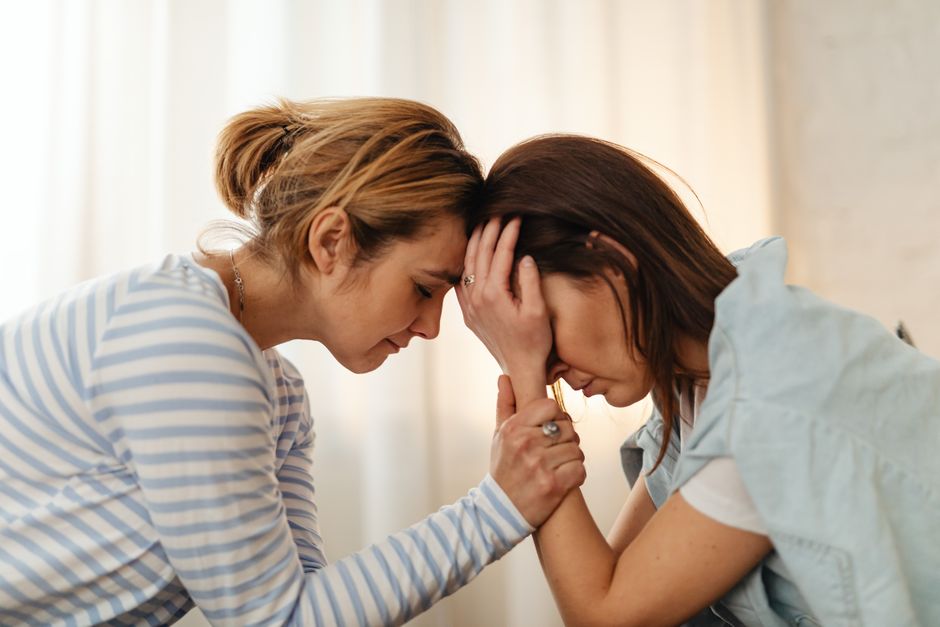
You hold it together through the meeting, the phone call, the difficult conversation. Then someone puts a hand on your shoulder and asks if you’re okay — and your face collapses. Crying harder when comforted is a normal stress response, not a sign of weakness. The relief of being safe lets your body release the emotion it was holding back, and the physical act of being soothed can trigger tears directly.
If this happens to you, you are not broken. You are having a very human reaction, and there is real physiology behind it.
Why Do I Cry More When Someone Comforts Me?
Your tears change when you feel safe. Crying is not a single behavior with a single cause. Researchers generally separate emotional tears from the tears that keep your eyes moist, and emotional crying is tied to the nervous system’s response to stress and to connection.
When you are alone and stressed, your body stays on alert. Your heart rate and breathing stay elevated. You may be actively suppressing the urge to cry because no one is there to see it. The moment someone responds with warmth, that alert state can begin to drop. The shift itself can release the tears you were holding back.
There is also a social layer. Crying is one of the earliest ways humans signal distress and draw care from others. Psychologists have long observed that emotional tears tend to bring people closer and prompt comfort. When someone actually offers that comfort, you are receiving the signal your tears were designed to send. Your brain and body respond to that match.
What happens in your body when comfort arrives
The physiology is well established even if the exact trigger for tears is not fully mapped. Close, supportive contact can engage the parasympathetic nervous system — the branch that calms you down. Heart rate can slow. Muscles relax. Breathing deepens.
For someone who has been braced and tense, that sudden drop in arousal can feel overwhelming. The body shifts gears quickly, and crying can be part of that shift. It is not that comfort makes you sadder. It is that comfort removes the need to keep the sadness locked down.
Is It Normal to Cry Harder When Someone Is Kind to You?
Yes. Crying harder when someone is kind is common and widely described. Many people report that they can stay composed through a hard day and then fall apart the instant a friend asks how they are.
Part of this is about permission. When no one is offering support, you may be doing a lot of invisible work to manage your emotions. That effort takes energy. When support shows up, you no longer have to spend that energy, and the feelings surface.
Part of it is about the comfort itself. Kindness from another person is emotionally potent. It can bring up gratitude, relief, or a sense of being cared for, and those feelings can produce tears on their own. You are not only crying about the original problem. You may be crying about being seen.
This reaction is not a sign that you are unusually fragile. Some people are more prone to it, but it is a normal pattern of human emotion, not a symptom on its own.
Why Do I Cry When Someone Hugs Me or Shows Affection?
Physical affection can trigger tears because touch is a powerful regulator of the nervous system. A hug, a hand on the arm, or a warm embrace sends signals that can lower stress arousal. For many people, that physical calming is what tips them into crying.
There is a distinction worth making. Tears from affection are not always tears of sadness. They can be tears of relief, of feeling safe, or of being moved. The same crying response can be triggered by positive and negative emotion, which is why a comforting hug and a sad moment can both produce tears.
Some people also cry when they feel affection because it contrasts with how they usually feel — lonely, unsupported, or on guard. The gap between the usual state and the moment of care can be emotionally sharp. That sharpness can come out as tears.





Does Holding Back Tears Make It Worse?
Suppressing the urge to cry can make the eventual release feel stronger. When you actively hold tears back, you are working against a natural response. That effort builds tension. When you finally stop holding back — often because someone offers comfort — the release can be more intense.
This does not mean you should force yourself to cry or that holding back is harmful. In many settings, like work or a public place, holding back is a reasonable and adaptive choice. The point is that the buildup explains why the release can feel sudden and big.
If you notice you regularly hold everything in until you are alone or until someone is kind to you, that pattern is worth understanding. It is not a flaw. It may simply be how you have learned to cope.
Is Crying When Comforted a Sign of Anxiety or Depression?
Not by itself. Crying more easily when comforted is a normal response and does not, on its own, indicate a mental health condition. Depression and anxiety are diagnosed based on patterns of symptoms over time, not on a single crying reaction.
That said, emotional crying that becomes frequent, hard to control, or tied to persistent low mood, loss of interest, sleep changes, or hopelessness is worth discussing with a clinician. The same is true if crying interferes with daily life or feels disconnected from any clear cause.
There is no blood test or scan that diagnoses depression or anxiety. A clinician assesses your symptoms, their duration, and how they affect your functioning. If you are unsure whether what you are experiencing is more than ordinary emotional sensitivity, that is a reasonable thing to bring up with a doctor or mental health professional.
What Helps When You Cry More Around Comfort
You do not need to fix this. Crying when comforted is not a problem to solve, and trying to suppress it can add pressure. What helps most is understanding what is happening and giving yourself room for it.
- Let it happen when you can. If you are in a safe place, allowing the tears to pass often feels better than fighting them.
- Name what you feel. Saying “I’m okay, I just needed to let this out” can reduce embarrassment and help the person comforting you respond well.
- Notice the pattern. If you only cry when someone is kind, that tells you something about how much you have been carrying alone.
- Seek support if it is persistent. If crying feels overwhelming, frequent, or tied to lasting low mood, talk to a clinician.
One thing worth knowing: the idea that crying “releases toxins” or “flushes out stress hormones” is repeated widely but not well established. Some research has looked at the chemical content of emotional tears, but the claim that crying detoxifies the body is not supported by strong evidence. Crying can feel relieving, and that relief is real, but it is not because tears are removing poisons.
Why Comfort Can Feel Both Good and Overwhelming
Being comforted can feel good and overwhelming at the same time. That is not a contradiction. Comfort meets a need that may have gone unmet for a while, and meeting a long-unmet need can be emotionally intense.
For people who are used to handling things alone, receiving care can feel unfamiliar. The body may respond with tears simply because the experience is new or rare. That is a normal reaction to a meaningful moment, not a sign that something is wrong with you.
The tears usually pass. What tends to stay is the memory of being cared for. That is part of why crying when comforted is not a weakness — it is a signal that connection matters to you, and that your body knows how to respond when it finally arrives.
Frequently Asked Questions
Why do I cry when someone is nice to me?
Kindness can lower your stress arousal and signal safety, which lets held-back emotion release. It can also bring up feelings of relief or of being cared for, and those feelings can produce tears on their own.
Is it normal to cry harder when someone comforts you?
Yes, it is a common and normal response. Comfort removes the need to keep emotions locked down, so the release can feel stronger than when you were holding everything in alone.
Does crying when comforted mean I am depressed?
Not by itself. Depression is diagnosed from a pattern of symptoms over time, not from a single crying reaction. If crying is frequent, hard to control, or tied to lasting low mood, it is worth discussing with a clinician.
Why do I cry when someone hugs me?
Physical affection can calm the nervous system and lower stress arousal, which can trigger tears. Those tears are often about relief or feeling safe rather than sadness.
