
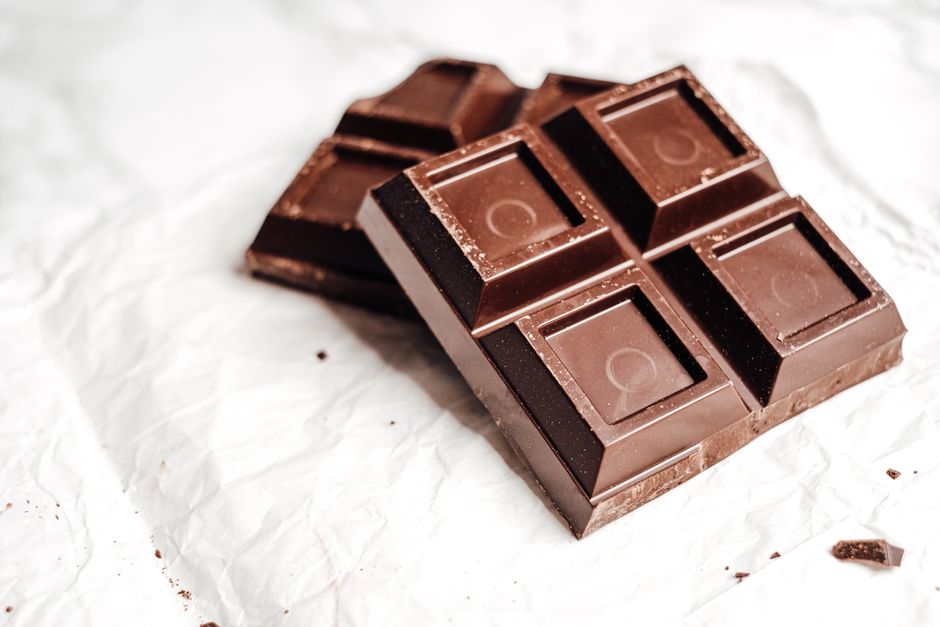
If chocolate is the only thing that sounds good in the days before your period, you are not imagining it and you are not weak-willed. The craving is real, it is common, and it has a biological explanation.
The short answer: the days before menstruation bring shifts in estrogen and progesterone, a dip in serotonin, and changes in appetite and mood that can make calorie-dense, sweet, fatty foods like chocolate unusually appealing. Chocolate also contains compounds that affect mood-related brain chemistry, though the evidence that these compounds drive the craving is weaker than most people assume.
Why Do I Crave Chocolate When Im On My Period?
The craving is driven mainly by hormones and brain chemistry, not by a chocolate deficiency. In the second half of the menstrual cycle — the luteal phase — estrogen and progesterone rise and then fall sharply just before bleeding begins. These hormones influence serotonin, a brain chemical involved in mood and appetite.
When serotonin signaling drops, appetite often shifts toward foods that are sweet, fatty, and calorie-dense. Chocolate sits at the intersection of all three. Research on food cravings consistently finds that chocolate is the single most craved food in many populations, especially among women.
One detail worth knowing: the craving is usually strongest in the days right before menstruation, not during it. By the time bleeding starts, many women notice the urge easing. That timing is one reason researchers link the craving to the hormonal drop of the late luteal phase rather than to menstruation itself.
What Is Happening in Your Body Before Your Period?
The luteal phase lasts roughly two weeks and ends with a steep drop in both estrogen and progesterone if pregnancy does not occur. That drop is the trigger for most premenstrual symptoms, including food cravings, mood changes, and fatigue.
Several systems shift at once:
- Serotonin. Estrogen influences serotonin activity, and serotonin falls when estrogen falls. Low serotonin is associated with irritability, low mood, and increased appetite for carbohydrates and sweets.
- Appetite and metabolism. Studies show that energy needs rise modestly in the luteal phase and that women tend to eat more, particularly carbohydrates. Some research suggests the body burns slightly more calories at rest during this phase, which may partly explain increased hunger.
- Progesterone. Progesterone rises in the luteal phase and has a mild sedating effect. It also interacts with appetite regulation.
- Stress and sleep. Premenstrual mood changes, poorer sleep, and everyday stress can all increase cravings for highly palatable food.
These shifts are normal physiology, not a sign that something is wrong.
Does Chocolate Actually Contain Mood-Boosting Chemicals?
Chocolate contains several compounds that act on the brain, including phenylethylamine, theobromine, caffeine in small amounts, and anandamide-like substances. It also contains magnesium and small amounts of serotonin and tryptophan.
Here is where the story gets more complicated than the internet suggests. The amounts of these compounds in a normal serving of chocolate are small. Many are broken down during digestion before they reach the brain in meaningful quantities. Phenylethylamine, for example, is rapidly metabolized by an enzyme in the body.
No well-controlled human study has shown that these compounds are the reason people crave chocolate. The evidence points more strongly to the sensory experience — the taste, texture, aroma, and melt-in-the-mouth quality — and to the calories and sugar, which affect mood and reward pathways.
Some studies have tried to separate chocolate’s sensory properties from its chemical content. When participants are given capsules containing chocolate’s active compounds versus actual chocolate, the capsules do not reliably reduce cravings. The act of eating chocolate matters more than the chemistry inside it.
Is It About Magnesium or a Nutrient Deficiency?
You may have read that chocolate cravings mean you are low in magnesium. That idea is repeated widely but not well supported by evidence.
Dark chocolate does contain magnesium, but the amount in a typical serving is modest compared with many other foods. More importantly, no clinical research has shown that correcting a magnesium shortfall reduces chocolate cravings. The body does not appear to drive specific food cravings to fix specific nutrient gaps in the way this theory suggests.
That said, some women do report fewer cravings when they eat more consistently through the day and include protein and fiber at meals. That may reflect steadier blood sugar and appetite regulation rather than any single nutrient.
Is This the Same as PMS or PMDD?
Food cravings are a recognized symptom of premenstrual syndrome, or PMS. PMS is common, and cravings for sweet or salty foods are among the symptoms many women report.
Premenstrual dysphoric disorder, or PMDD, is a more severe condition. It involves marked mood symptoms — such as intense irritability, depression, or anxiety — that interfere with daily life in the week before menstruation and ease after bleeding starts. Cravings can occur in PMDD too, but they are not the defining feature.
If premenstrual symptoms are disrupting your work, relationships, or sense of well-being, that is worth discussing with a clinician. PMDD is a recognized diagnosis with established treatment approaches. Chocolate cravings alone do not indicate PMDD.
Why Does Chocolate Feel So Rewarding?
Eating chocolate activates the brain’s reward system. The combination of sugar, fat, and pleasant taste triggers dopamine release, the same pathway involved in reward and motivation for many pleasurable experiences.
Chocolate is also energy-dense, which matters when the body’s appetite signals are nudging you toward calorie-rich food. During the luteal phase, when energy needs rise slightly and serotonin is lower, that reward signal can feel stronger.
There is also a learned and emotional layer. Many people associate chocolate with comfort, celebration, and self-soothing. That association is real and can intensify a craving, especially when mood is low.
Does Giving In to the Craving Make Things Worse?
No. Eating chocolate in reasonable amounts does not harm your health or worsen premenstrual symptoms. The concern some people have about “feeding a craving” is not backed by strong evidence.
What can help is paying attention to patterns. If cravings lead to large amounts of chocolate and you feel out of control around food, that is worth mentioning to a clinician. Binge eating is a recognized pattern that deserves support, not shame.
Some practical approaches that women commonly find helpful, though the evidence for each varies:
- Eating regular meals with protein and fiber to support steadier appetite.
- Choosing a smaller portion of chocolate and eating it slowly, which tends to feel more satisfying.
- Getting consistent sleep, since poor sleep increases cravings for sweet and high-calorie foods.
- Being physically active, which some studies link to reduced food cravings.
These are general strategies, not proven treatments for premenstrual cravings. No single approach works for everyone.
When Should You Talk to a Doctor?
Occasional chocolate cravings before your period are normal and do not need medical attention. Talk to a clinician if premenstrual symptoms are severe enough to affect your daily life, if cravings feel uncontrollable, or if you notice significant changes in appetite, mood, or eating that concern you.
Also speak with a doctor if you have irregular periods, very heavy bleeding, or symptoms that do not ease after menstruation begins. These can point to other conditions that deserve evaluation.
Frequently Asked Questions
Why do I crave chocolate before my period?
Falling estrogen and progesterone before menstruation lower serotonin and shift appetite toward sweet, fatty, calorie-dense foods. Chocolate combines sugar, fat, and a rewarding taste that makes it especially appealing during this phase.
Does a chocolate craving mean I have a magnesium deficiency?
No. The idea that chocolate cravings signal low magnesium is widely repeated but not supported by clinical evidence, and no research shows that correcting magnesium levels reduces cravings.
Is it normal to crave chocolate during your period?
Yes. Food cravings, especially for chocolate and sweets, are a common premenstrual symptom reported by many women and are considered normal physiology.
How do I stop craving chocolate on my period?
There is no proven way to eliminate the craving, but eating regular balanced meals, sleeping well, and choosing a small portion to eat slowly may help some women feel more in control.
