
Coughing with asthma is your airway’s response to irritation and narrowing. When asthma is active, the tubes that carry air into your lungs become inflamed and swollen. The muscles around them tighten, and your body produces extra mucus. Coughing is a reflex attempt to clear those airways and move air through them. For many people with asthma, a chronic cough is not just a symptom — it is often the first symptom they notice, and for some, it is the only symptom they have.
Why Do I Cough With Asthma?
Asthma causes coughing through a combination of inflammation, muscle spasm, and mucus production. The lining of your airways becomes swollen and sensitive. That sensitivity means your cough reflex is triggered much more easily than normal. Even a small amount of dust, a laugh, or a deep breath can set it off.
The cough itself is a protective reflex. Your body is trying to expel what it sees as an irritant. But with asthma, the irritant is often the airway itself — inflamed, narrow, and full of sticky mucus. The cough tries to clear it, but the underlying problem remains, so the cough continues.
There are two main types of asthma cough. One is dry and hacking, often worse at night or early morning. The other is productive, meaning it brings up mucus. Both are common. Neither one tells you how severe your asthma is.
What Does an Asthma Cough Feel Like?
An asthma cough is often described as a persistent tickle in the throat that will not go away. It can be dry and nagging, or it can feel like you need to clear something from your chest. Many people say it gets worse at night, which can interrupt sleep and leave you exhausted the next day.
The cough often comes with other signs of asthma. You may notice wheezing, a whistling sound when you breathe out. You might feel chest tightness or shortness of breath. But not everyone gets all of these symptoms. Some people cough without any wheezing at all. This is called cough-variant asthma, and it is easy to miss because the cough looks like it could be from a cold, allergies, or post-nasal drip.
Exercise can trigger an asthma cough. Cold air can trigger it too. Laughing or crying can bring it on. So can exposure to strong smells, smoke, or allergens like pollen and pet dander. If your cough follows these patterns, asthma is a likely cause.
What Causes the Cough to Get Worse?
Several everyday situations make asthma coughing worse. Understanding these triggers can help you avoid them. Common ones include:
- Respiratory infections — colds and flu are major triggers for asthma flares.
- Allergens — pollen, dust mites, mold, and animal dander can inflame airways.
- Irritants — smoke, strong perfumes, cleaning products, and air pollution.
- Weather changes — cold, dry air is a well-known trigger.
- Exercise — physical activity can cause airways to narrow, especially in cold air.
- Acid reflux — stomach acid can irritate the airways and worsen coughing.
Some medications can make asthma coughing worse. Aspirin and other nonsteroidal anti-inflammatory drugs (NSAIDs) trigger asthma symptoms in some people. Beta-blockers, used for heart conditions and migraines, can also worsen asthma. If you have asthma and take any of these, talk to your doctor about whether they are safe for you.





How Is an Asthma Cough Different From a Cold Cough?
A cold cough usually peaks within a few days and resolves within a few weeks. An asthma cough is persistent. It lasts for more than eight weeks in adults and more than four weeks in children, and it tends to come and go in patterns.
Cold coughs are often accompanied by a runny nose, sore throat, and sometimes fever. Asthma coughs are more likely to come with wheezing, chest tightness, and shortness of breath. A cold cough may produce colored mucus. An asthma cough usually produces clear or white mucus, if any.
Timing matters. Asthma coughs are often worse at night, early in the morning, or after exercise. Cold coughs are generally constant throughout the day. If your cough wakes you up regularly or happens every time you run, asthma is a strong possibility.
One important distinction: a cough that lasts more than three weeks after a cold may be a sign of underlying asthma. Many adults are first diagnosed with asthma after a prolonged cough following a respiratory infection.
How Is an Asthma Cough Treated?
Treatment for an asthma cough focuses on controlling the underlying inflammation, not just silencing the cough. Cough suppressants do not work well for asthma because they do not address the cause. The cough is a symptom of airway inflammation, and that inflammation needs treatment.
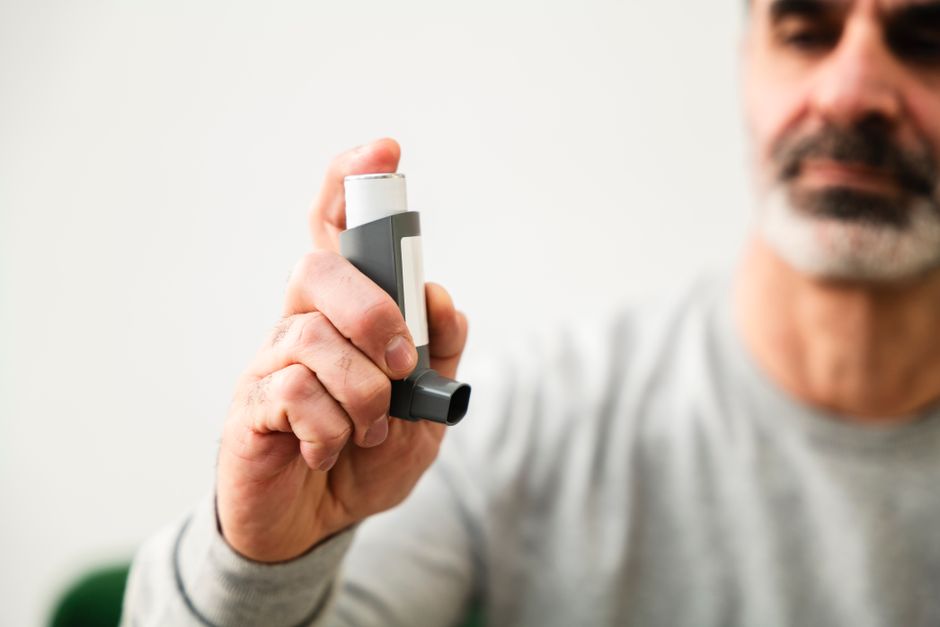
The standard approach uses two types of inhalers. A daily controller inhaler containing an inhaled corticosteroid reduces inflammation over time. This is the main treatment for persistent asthma. A rescue inhaler containing a bronchodilator provides quick relief by relaxing the muscles around the airways. It works within minutes but does not treat the inflammation.
For people with cough-variant asthma, the same treatment approach applies. Daily controller medication reduces the cough. Rescue inhalers can stop a coughing fit when it starts. Some people need both, and some need additional medications like leukotriene modifiers, which are pills that reduce airway inflammation.
If acid reflux is contributing to your cough, treating the reflux may help. If allergies are a trigger, allergy medications or allergy shots may reduce your cough. The key is identifying what drives your asthma and treating that specifically.
When Should You See a Doctor?
Any cough that lasts more than a few weeks deserves a medical evaluation. If your cough is accompanied by wheezing, chest tightness, or shortness of breath, see a doctor sooner. These symptoms point to asthma or another lung condition that needs proper diagnosis.
Seek emergency care if you have any of these warning signs:
- Severe shortness of breath that makes it hard to speak or walk
- Lips or fingernails turning blue
- No improvement after using your rescue inhaler
- Chest pain or pressure
- Rapid breathing or flaring nostrils
These are signs of a severe asthma attack. Do not wait to see if they pass. Get emergency medical help immediately.
Diagnosis of asthma involves a medical history, a physical exam, and a breathing test called spirometry. This test measures how much air you can exhale and how fast. It is painless and takes about 15 minutes. If the test shows reduced airflow that improves after using a bronchodilator, asthma is likely.
Can You Prevent an Asthma Cough?
You cannot cure asthma, but you can reduce how often you cough. The most effective way is to take your controller medication daily as prescribed, even when you feel fine. This medication reduces airway inflammation, which makes your airways less sensitive and less likely to trigger a cough.
Avoiding your known triggers is equally important. If cold air makes you cough, wear a scarf over your nose and mouth in winter. If exercise triggers coughing, use your rescue inhaler 10 to 15 minutes before activity, as directed by your doctor. If smoke or strong smells bother you, avoid them when possible.
Good sleep and stress management also matter. Poor sleep and high stress can make asthma symptoms worse. This does not mean stress causes asthma, but it can increase airway sensitivity in people who already have the condition.
Work with your doctor to create a written asthma action plan. This plan tells you which medications to take daily, which to use for quick relief, and what to do if your symptoms worsen. People who follow an action plan have better asthma control and fewer flares.
What Happens if an Asthma Cough Is Left Untreated?
An untreated asthma cough usually does not go away on its own. The inflammation persists, and the airways can become more sensitive over time. This can lead to more frequent and more severe asthma attacks.
Chronic inflammation can also cause long-term changes in the airways, a process called airway remodeling. This can make the airways permanently narrower and less responsive to treatment. Early and consistent treatment helps prevent this.
There is also a quality-of-life cost. Chronic cough can disrupt sleep, interfere with work, and make exercise difficult. Many people with untreated asthma cough avoid physical activity, which leads to deconditioning and worse overall health. Treating the cough properly restores the ability to live normally.
Frequently Asked Questions
Can you have asthma with only a cough and no wheezing?
Yes, this is called cough-variant asthma, and it is a recognized form of the disease. The only symptom may be a chronic cough that lasts more than eight weeks.
Why is my asthma cough worse at night?
Nighttime coughing is common because airway inflammation naturally increases in the early morning hours. Acid reflux and allergens in the bedroom can also make it worse.
Does a rescue inhaler stop an asthma cough?
A rescue inhaler can stop a cough caused by airway muscle spasm, usually within minutes. It does not treat the underlying inflammation, so the cough often returns unless you also use controller medication.
Is it safe to use cough syrup for an asthma cough?
Cough suppressants are generally not effective for asthma coughs because they do not address airway inflammation. Always ask your doctor before using over-the-counter cough medicine if you have asthma.
