
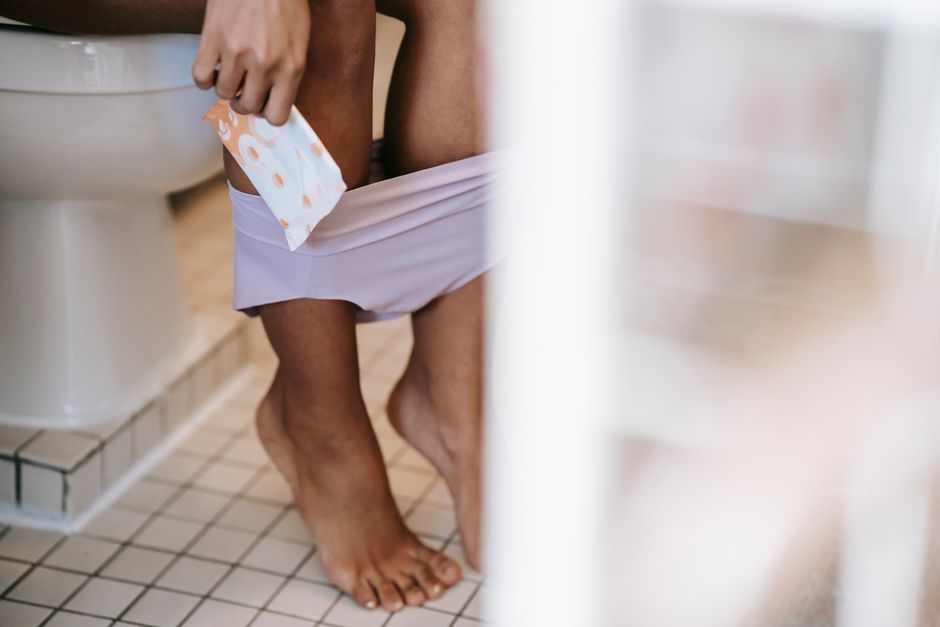
The urge to poop shortly after eating is a normal reflex, not a sign that something is wrong. It’s called the gastrocolic reflex. When your stomach stretches to hold food, it sends a signal to your colon to make room for what is coming. For most people, this is a mild sensation that passes. For others, it is a sudden, urgent need to go.
This response is strongest in the morning. Your colon’s natural activity peaks when you wake up. Add a meal on top of that, and the signal can be powerful. The reflex itself is healthy. It only becomes a problem when the urge is painful, uncontrollable, or tied to diarrhea.
What Is the Gastrocolic Reflex?
The gastrocolic reflex is an automatic response. It is not something you control. When food enters your stomach, the stomach wall stretches. That stretch triggers nerve signals that travel to your colon. The colon responds by increasing its contractions. These contractions push waste toward your rectum.
This is why eating often leads to a bowel movement. The reflex is strongest after your first meal of the day. It is also stronger after large meals. The body is simply making room for the new food coming through the digestive tract.
For many people, this reflex produces a normal bowel movement. You eat, you feel the urge, you go, and that is the end of it. The stool is formed, the process is easy, and there is no discomfort. This is a sign of a functioning digestive system.
Why Is the Urge So Strong in the Morning?
Your body runs on internal clocks. These clocks regulate digestion, hormone release, and bowel activity. During the night, your colon is mostly quiet. In the early morning, colon contractions naturally increase. This is a well-established pattern.
Eating breakfast adds to this natural morning activity. The gastrocolic reflex fires on top of an already active colon. The result is a strong urge to have a bowel movement within 15 to 30 minutes of eating.
This combination is normal. It is not a sign of illness. If your morning bowel movement is formed and easy to pass, your digestive system is working as designed.
When Is Pooping After Eating a Problem?
The gastrocolic reflex becomes a concern when it is exaggerated. If you feel an urgent need to run to the bathroom every time you eat, something else may be going on. The key difference is the quality of the stool and the level of urgency.
See a doctor if you regularly experience any of the following after meals:
- Loose or watery stools
- Urgency so strong you cannot hold it
- Abdominal cramping or pain
- Blood or mucus in the stool
- Unintentional weight loss
These symptoms can point to conditions that amplify the gastrocolic reflex. Irritable bowel syndrome is one common cause. In IBS, the nerves in the gut are more sensitive. The normal reflex feels stronger and more painful. Food moves through the colon faster, which leads to loose stools shortly after eating.
Food intolerances can also cause this pattern. Lactose intolerance is a classic example. If your body cannot break down lactose, undigested lactose pulls water into the colon. That water, combined with the gastrocolic reflex, produces urgent diarrhea after consuming dairy.


What Foods Make the Reflex Stronger?
Some foods trigger a stronger response than others. High-fat meals slow stomach emptying, which can increase the stretch signal. Spicy foods can irritate the gut lining and speed up transit. Caffeine stimulates colon contractions directly.
Artificial sweeteners are another trigger. Sugar alcohols like sorbitol and mannitol are poorly absorbed. They draw water into the bowel and increase contractions. Foods containing these sweeteners can cause urgent bowel movements even in healthy people.
If the urge after eating is bothersome but your stool is normal, look at what you just ate. Keep a simple food diary for two weeks. Write down what you ate, when you ate it, and when you had a bowel movement. Patterns often appear quickly.
Can You Train Your Body to Poop on a Schedule?
Yes, to a degree. The gastrocolic reflex is predictable. You can use it to establish a regular bowel habit. This is a common strategy for people with constipation. It also helps people who feel caught off guard by post-meal urgency.
Pick a consistent time each day to eat a meal. For most people, breakfast works best. Sit on the toilet 15 to 20 minutes after eating, even if you do not feel the urge. Do not strain. Give your body time to respond. Over several weeks, your colon can learn this pattern.
This approach works because the reflex is time-linked to eating. If you eat at roughly the same time daily, the urge follows at roughly the same time daily. Consistency is the key. Irregular meal times produce irregular bowel habits.
How Is This Different From Diarrhea After Eating?
A normal post-meal bowel movement is formed and easy to pass. Diarrhea after eating is not. Diarrhea means loose, watery stools that are difficult to control. This distinction matters for your health.
Post-meal diarrhea is called postprandial diarrhea. It can result from an exaggerated gastrocolic reflex, but it can also signal an underlying condition. Irritable bowel syndrome with diarrhea is one possibility. Microscopic colitis is another. Bile acid malabsorption can also cause this pattern.
Bile acid malabsorption is less well known but not rare. Your liver makes bile to digest fat. Most bile is reabsorbed in the last part of the small intestine. If that reabsorption fails, excess bile enters the colon. Bile acids irritate the colon lining and cause watery diarrhea, often shortly after meals.
If diarrhea after eating happens more than a few times per month, do not dismiss it. See a doctor. There are effective treatments for each of these conditions, but you need a proper diagnosis first.
What Can You Do to Reduce Post-Meal Urgency?
If the reflex is bothersome but not painful, small changes can help. Eat smaller meals. A smaller meal means less stomach stretch, which means a weaker signal to the colon. Eat slowly and chew thoroughly. This reduces the work your stomach has to do.
Reduce caffeine if you notice it triggers urgency. Caffeine is a known colon stimulant. For some people, even a small amount of coffee causes an urgent need to go. This is not dangerous, but it can be inconvenient.
Regular physical activity helps regulate bowel function. Exercise increases blood flow to the digestive tract and supports normal colon contractions. Even a 20-minute walk daily can make a difference.
Fiber is more complex than people assume. Insoluble fiber adds bulk and can speed up transit. Soluble fiber absorbs water and can slow things down. If you have loose stools after eating, soluble fiber from oats, bananas, or psyllium may help firm them up.
Frequently Asked Questions
Is it normal to poop right after every meal?
Yes, for many people this is normal. The gastrocolic reflex naturally triggers a bowel movement after eating, and having one formed stool per meal is not a concern.
How long after eating does the gastrocolic reflex take?
The reflex typically produces an urge within 15 to 30 minutes of eating. The response is strongest after the first meal of the day.
Can anxiety cause you to poop right after eating?
Yes. Stress and anxiety can amplify the gastrocolic reflex because the gut and brain are directly connected through the nervous system.
Should I see a doctor if I always poop after eating?
Not if the stool is formed and you have no pain. See a doctor if the stool is consistently loose, urgent, or accompanied by cramping, blood, or weight loss.
