
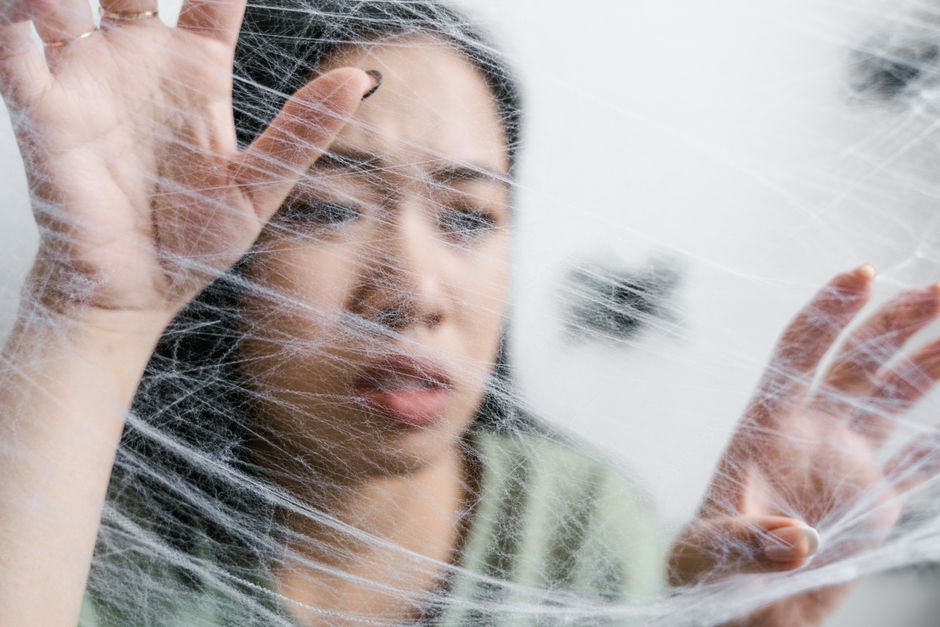
Feeling scared all the time is exhausting. It is not just a bad day or a stressful week. When fear becomes your default setting, it changes how you live, work, and connect with others. The good news is that persistent fear is not a personality flaw or a permanent condition. It is a response your brain and body have learned, and it can be unlearned. The process takes time and often requires professional support, but the path forward is real and well-documented.
What Is Happening In Your Body When You Feel Scared?
Fear starts in the brain, but you feel it in your body. When your brain detects a threat, it triggers the amygdala, the alarm center. This activates your sympathetic nervous system, which releases stress hormones like adrenaline and cortisol. Your heart rate goes up. Your breathing gets faster. Blood flows to your muscles. This is the fight-or-flight response, and it is designed to save your life in a real emergency.
The problem is that your brain cannot always tell the difference between a physical threat and a psychological one. A difficult conversation, a news alert, or an uncertain future can trigger the same alarm system as a bear on the trail. When this happens repeatedly, your nervous system stays in a state of high alert. You are not imagining it. Your body is actually in a state of readiness, even when there is nothing to fight or flee from.
This state has a name. Chronic hyperarousal means your stress response never fully turns off. It is common in people with anxiety disorders, but it can also happen to anyone under prolonged stress. Over time, living in this state wears on your body and mind. You may feel tired but unable to relax. You may startle easily. You may avoid situations that feel threatening, even when they are safe.
Why Do I Always Feel Scared And How To Stop It?
Persistent fear usually comes from a combination of factors. Genetics play a role. Some people are born with a more reactive nervous system. Life experiences matter too. Trauma, chronic stress, and unpredictable environments can teach your brain that danger is always near. Even your daily habits can contribute. Poor sleep, too much caffeine, and constant exposure to negative news can keep your stress response active.
Stopping the cycle starts with understanding that fear is not the enemy. Fear is information. It tells you something matters to you. The problem is when fear becomes a false alarm that goes off constantly. Treatment focuses on teaching your brain to respond only to real threats, not imagined ones.
Cognitive behavioral therapy, or CBT, is one of the most effective treatments for persistent fear and anxiety. Research consistently shows that CBT helps people identify the thought patterns that fuel fear and replace them with more accurate ones. It is not about positive thinking. It is about realistic thinking. If you believe every headache is a brain tumor, CBT helps you examine that belief and weigh the actual evidence.
Exposure therapy is another well-established approach. It involves facing feared situations gradually and safely. Over time, your brain learns that the situation is not as dangerous as it predicted. This is not about forcing yourself into terrifying situations. It is about taking small, manageable steps with the support of a trained therapist.
What Is The Difference Between Fear And Anxiety?
Fear and anxiety are related but not the same. Fear is a response to a specific, present threat. If a car swerves toward you, you feel fear. Anxiety is more diffuse. It is worry about a future threat that may or may not happen. You might feel anxious about a doctor’s appointment next week, even though nothing bad has happened yet.
Both involve the same stress response, but they play out differently. Fear is immediate and intense. Anxiety is lingering and often harder to pinpoint. Many people with persistent fear actually struggle more with anxiety. They are not scared of something specific. They are scared of the possibility of something bad happening, and they cannot turn that worry off.
Understanding this difference matters because the approaches are slightly different. Fear responds well to exposure and learning safety. Anxiety often responds better to cognitive work that challenges catastrophic thinking. Both benefit from grounding techniques that bring your attention back to the present moment.




What Are The Physical Symptoms Of Chronic Fear?
Chronic fear does not just feel bad. It changes your body. Common physical symptoms include a racing heart, chest tightness, shortness of breath, sweating, trembling, and stomach problems. You might have headaches, muscle tension, or fatigue. Many people report feeling restless or on edge, unable to sit still.
These symptoms are real. They are not “all in your head.” They come from your nervous system being stuck in an active state. When stress hormones stay elevated, your digestion slows, your immune system changes, and your sleep suffers. This is why chronic fear is linked to long-term health problems like heart disease, high blood pressure, and digestive disorders.
If you are experiencing these symptoms regularly, it is worth seeing a doctor. Some medical conditions, like thyroid problems or heart rhythm issues, can cause symptoms that look like anxiety. A doctor can rule these out. This is not a way to dismiss your experience. It is a way to make sure you get the right treatment.
How Can I Calm My Nervous System Right Now?
When fear hits, you need tools that work in the moment. The goal is not to eliminate fear instantly. The goal is to bring your nervous system down from emergency mode to a more manageable level.
Slow breathing is one of the most effective immediate tools. Breathe in through your nose for four counts, hold for four counts, and exhale through your mouth for six counts. The longer exhale activates your parasympathetic nervous system, which is the rest-and-digest system. It sends a signal to your brain that the emergency is over.
Grounding techniques also help. The 5-4-3-2-1 method is simple. Name five things you can see, four things you can touch, three things you can hear, two things you can smell, and one thing you can taste. This pulls your attention away from the fear and back to your physical surroundings. It interrupts the spiral of scary thoughts.
These tools are not a cure. They are first aid. They can help you get through a difficult moment, but they do not address the underlying pattern. That requires longer-term work with a professional.
When Should I Seek Professional Help?
If fear is interfering with your daily life, it is time to get help. This means fear is keeping you from work, school, relationships, or activities you used to enjoy. It means you are avoiding places or situations because of how scared you feel. It means you are losing sleep or struggling to concentrate.
Anxiety disorders are among the most treatable mental health conditions. Therapy works. Medication works. Many people use both. Selective serotonin reuptake inhibitors, or SSRIs, are commonly prescribed for anxiety. They do not work immediately. They usually take several weeks to show benefit. They are not addictive in the way that some sedatives are, but they do have side effects. Your doctor can help you weigh the options.
There is no shame in needing help. Persistent fear is a medical condition, not a weakness. Just as you would see a doctor for a broken leg, you can see a professional for a nervous system that is stuck in alarm mode. The evidence is clear that treatment helps most people significantly.
What Lifestyle Changes Support Long-Term Recovery?
Sleep is foundational. When you are sleep-deprived, your amygdala is more reactive and your prefrontal cortex, which helps regulate fear, is less active. Prioritizing regular, adequate sleep can reduce how easily your fear response triggers. Most adults need between seven and nine hours per night.
Regular movement also helps. Exercise burns off stress hormones and releases endorphins, which improve mood. You do not need to run a marathon. A daily walk, yoga, or swimming can make a real difference. The key is consistency, not intensity.
Caffeine and alcohol deserve attention. Caffeine can mimic and worsen anxiety symptoms. Alcohol may calm you temporarily, but it often increases anxiety as it wears off. Some research suggests that reducing both can help people with anxiety. Pay attention to how your body responds and adjust accordingly.
What If I Have Tried Everything And Still Feel Scared?
If you have tried therapy, medication, lifestyle changes, and coping tools, and you still feel scared, you are not doing something wrong. Some people have treatment-resistant anxiety. This does not mean it is hopeless. It means you need a different approach.
Other treatment options exist. Some people benefit from different types of therapy, like acceptance and commitment therapy, which focuses on living according to your values even when fear is present. Others respond to different medications or combinations. Some find relief through transcranial magnetic stimulation, a non-invasive procedure that uses magnetic fields to stimulate nerve cells in the brain.
It can also be worth re-evaluating your diagnosis. Sometimes persistent fear is part of a larger picture, like post-traumatic stress disorder, obsessive-compulsive disorder, or a medical condition. Getting a thorough evaluation can open the door to treatments you have not tried yet.
Recovery is rarely a straight line. There are good days and bad days. Progress often looks like fear being less loud, less frequent, and less controlling. It does not always mean fear disappears completely. Many people find that with the right support, fear becomes manageable. It stops running the show.
Frequently Asked Questions
Why do I feel scared for no reason?
Your brain can trigger the fear response without a clear external threat, especially when you are stressed, sleep-deprived, or have an anxiety disorder. This is called a false alarm, and it is a common symptom of chronic anxiety.
Can chronic fear cause physical health problems?
Yes, prolonged stress from chronic fear is linked to high blood pressure, heart disease, digestive issues, and weakened immune function over time. Treating the anxiety can help protect your physical health.
How long does it take to stop feeling scared all the time?
There is no fixed timeline, but many people notice improvement within a few months of starting therapy or medication. Consistent treatment and practice are more important than a specific timeframe.
Is medication necessary to stop feeling scared?
No, medication is not necessary for everyone. Therapy alone is effective for many people. For others, a combination of therapy and medication works best. A healthcare provider can help you decide based on your symptoms.
