
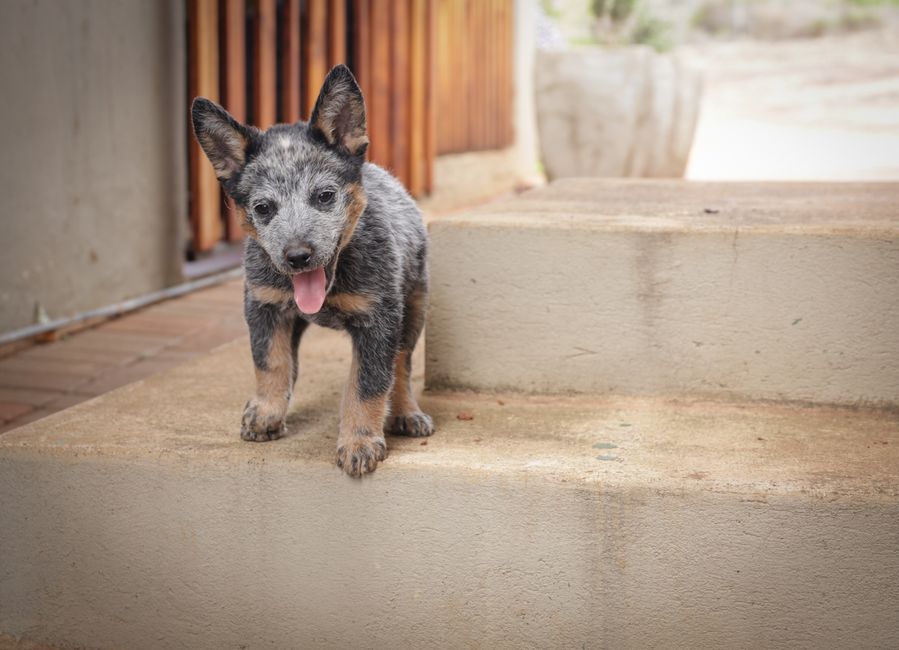
Heelers lick for the same reasons most dogs do — affection, taste, boredom, and instinct — but herding breeds like Australian Cattle Dogs often add a persistent, almost compulsive edge. The short answer: licking is normal canine communication, and it only needs to be “stopped” when it becomes excessive, harmful, or a sign of an underlying problem. For most heelers, the fix is not punishment but redirection, enrichment, and a check for medical causes.
If your heeler is licking you constantly, licking the floor, or licking a paw raw, the approach differs. This guide explains what drives the behavior and what genuinely helps.
Why Does My Heeler Lick So Much?
Licking is a normal dog behavior with several distinct triggers, and heelers have a few traits that make them prone to doing it more.
The most common reasons are:
- Affection and social bonding. Dogs lick each other and their people as a form of social contact. Puppies are licked by their mothers, and the behavior carries into adulthood as a greeting or comfort signal.
- Taste and smell. Human skin carries salt and traces of food. To a dog with a powerful nose, your hands and face are interesting.
- Attention-seeking. If licking has ever earned a reaction — even “stop that!” — the behavior gets reinforced. Dogs repeat what works.
- Boredom and under-stimulation. Herding breeds were developed to work. A heeler with nothing to do often invents a repetitive behavior, and licking is a common one.
- Stress or anxiety. Repetitive licking can be a displacement behavior, similar to a person biting their nails. It can also be self-soothing.
- Medical causes. Nausea, dental pain, allergies, and skin irritation can all increase licking.
Heelers are intelligent, high-drive herding dogs. That combination means they need more mental and physical activity than many breeds. When that need goes unmet, repetitive behaviors tend to appear. This is a general pattern seen across working breeds, not a rule specific to heelers, but it fits the breed’s profile.
Is Licking a Sign of Affection or Something Else?
Affection is real, but it is not the only explanation, and owners often misread the behavior.
Dogs do lick to bond. Social grooming is part of normal canine behavior, and a relaxed dog licking your hand after a walk is likely expressing something close to affection. But context matters. A dog that licks frantically, licks the air, or licks the same spot on its own body repeatedly is showing something different from a calm greeting.
Watch the rest of the body. A relaxed, loose posture with a soft face suggests social licking. Tense posture, lip licking, yawning, or a tucked tail suggests anxiety. Air licking — snapping at nothing — can be a sign of nausea or gastrointestinal discomfort in some dogs. That does not confirm a diagnosis, but it is a reason to see a veterinarian rather than assume the dog is being silly.
Why Is My Heeler Licking the Floor, Carpet, or Furniture?
Licking surfaces is a separate pattern from licking people, and it usually points to one of three things: something tasty, nausea, or a compulsive habit.
Floors collect crumbs, food residue, and cleaning products. A dog with a strong nose finds all of it interesting. Some dogs also lick fabric or carpet for the texture, which is a form of self-soothing.
There is a more serious possibility. Excessive licking of surfaces, along with lip smacking or swallowing, can be a sign of gastrointestinal discomfort or nausea. Some dogs with acid reflux or stomach upset lick to cope. This is a recognized clinical pattern, though it is not specific to any one condition — many different problems can produce it.
If the floor licking is frequent, intense, or new, a veterinary exam is the right first step. If a vet rules out medical causes, the behavior is more likely boredom or a compulsive habit, and behavior strategies become the focus.





Why Do Heelers Lick Their Paws So Much?
Paw licking is a different behavior from licking people, and it deserves its own attention because the causes are often medical.
Common reasons a heeler licks its paws include:
- Allergies. Environmental and food allergies commonly cause itchy paws. Licking is the dog’s way of scratching.
- Skin infections. Yeast and bacterial infections thrive in damp spaces between the toes and cause intense itching.
- Parasites. Fleas and mites can trigger licking.
- Injury or foreign objects. A cut, thorn, or splinter between the pads.
- Pain. Arthritis or joint pain can lead a dog to lick the affected limb.
- Anxiety or compulsive behavior. Some dogs lick paws as a repetitive coping behavior, and this can become a habit even after the original cause is gone.
Persistent paw licking is not something to manage at home with a cone and hope. A veterinarian should examine the paws, because the difference between an allergy and an infection changes the treatment entirely. No home remedy reliably treats either.
How Do I Stop My Heeler From Licking So Much?
The right approach depends on the cause, but the general strategy is consistent: rule out medical problems, remove accidental reinforcement, and give the dog a better outlet.
Step 1: Rule out medical causes
A vet visit is the first move if the licking is new, intense, focused on one body part, or paired with other signs like vomiting, diarrhea, weight change, or appetite changes. Licking that starts suddenly in an adult dog deserves a check. No behavior plan will fix nausea or an itchy infection.
Step 2: Stop rewarding it
If licking gets attention — petting, talking, pushing the dog away — it continues. Pushing a dog away is still attention. The reliable fix is to remove the reward. When the dog starts licking, stand up, turn away, and withdraw attention for a few seconds. Then reward calm behavior with attention when the licking stops. This is standard behavior-modification logic and applies to most attention-seeking behaviors.
Step 3: Redirect to something acceptable
Give the dog an alternative behavior that earns attention. A chew toy, a food-stuffed puzzle toy, or a short training session redirects the mouth and the mind. Heelers respond well to having a job. A dog that is working on a puzzle is not licking the couch.
Step 4: Increase mental and physical activity
Boredom-driven licking fades when the dog’s needs are met. For a heeler, that means daily exercise plus mental work — training, scent games, or puzzle feeders. The exact amount varies by age, health, and individual dog, so there is no single number that fits every heeler. The principle is that a tired, mentally satisfied herding dog has less reason to develop repetitive habits.
Step 5: Manage stress
If the licking is tied to anxiety — during storms, when left alone, or when strangers visit — the behavior will not resolve until the anxiety is addressed. Some dogs benefit from structured desensitization. For significant anxiety, a veterinarian or veterinary behaviorist can discuss options. Medication is sometimes part of a treatment plan, but that is a clinical decision, not a home one.
Step 6: Consider professional help for compulsive behavior
When licking is repetitive, hard to interrupt, and causes harm such as hair loss or open sores, it may meet the description of a compulsive disorder. This is a recognized category of canine behavior problem. It usually needs a veterinary behaviorist and a structured plan. It does not resolve with simple distraction alone.
What Should I Not Do to Stop the Licking?
Punishment is the most common mistake, and it tends to make things worse.
Yelling, swatting, or holding the dog’s mouth shut can increase anxiety, which can increase licking. It also damages the relationship and can lead to fear-based behavior. For a herding breed that is already prone to sensitivity, harsh corrections often backfire.
Aversive sprays and taste deterrents are sometimes used on furniture or paws. They may reduce surface licking temporarily, but they do not address the cause. On paws, they can sting irritated skin. These products are not a substitute for veterinary care when a medical issue is possible.
Muzzles used to stop licking are not a behavior fix. A muzzle can be a legitimate short-term management tool in specific veterinary situations, but it does not teach the dog anything and can worsen anxiety if used incorrectly.
When Should I See a Vet About Licking?
See a veterinarian if the licking is new, intense, focused on one area of the body, or causing visible damage.
Specific signs that warrant a vet visit include:
- Licking that creates bald patches, redness, or open sores
- Licking paired with vomiting, diarrhea, or appetite changes
- Licking one paw or one limb repeatedly
- Air licking or lip smacking
- Licking that started suddenly in an adult dog
- Licking that continues despite behavior changes at home
These signs do not confirm any specific diagnosis. They simply mean the behavior is worth a professional look before assuming it is a habit.
Frequently Asked Questions
Why does my heeler lick me so much?
Most likely it is affection, attention-seeking, or a response to the taste of salt and food on your skin. If the licking is frantic or constant, it can also reflect anxiety or boredom.
Is excessive licking in dogs a sign of a medical problem?
Sometimes. Nausea, allergies, skin infections, dental pain, and parasites can all increase licking. Licking focused on one body part or paired with other symptoms should be checked by a veterinarian.
How do I stop my dog from licking without punishment?
Remove the reward by withdrawing attention when licking starts, then reward calm behavior. Redirect to a chew toy or puzzle and increase daily exercise and mental activity.
Why does my heeler lick the floor and carpet?
It can be food residue, boredom, or nausea. Frequent floor licking along with lip smacking or stomach signs is a reason to see a vet.
