
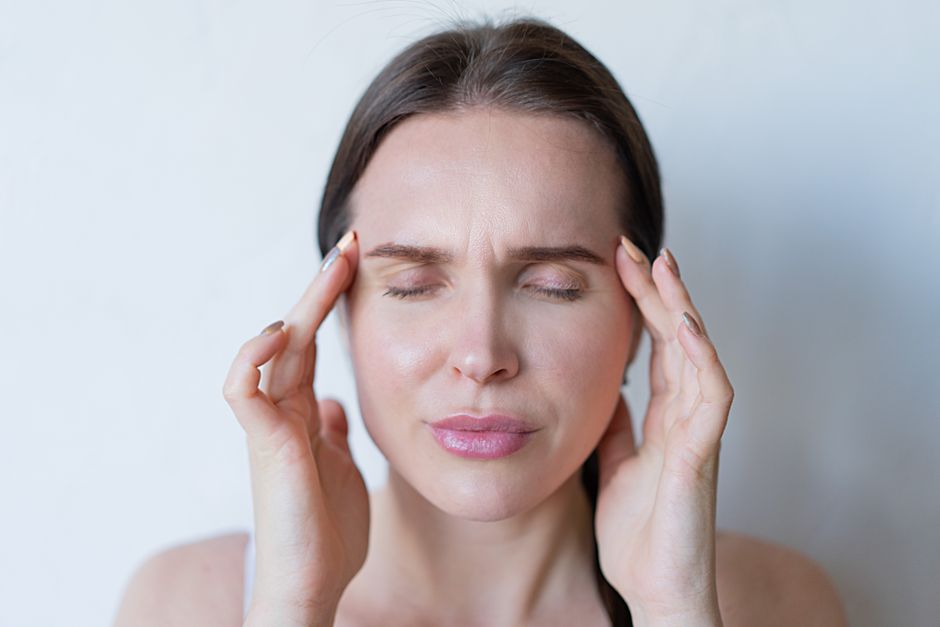
Headaches return when Botox wears off because the drug only quiets pain signaling for as long as it stays in the tissue. Botox is a brand name for onabotulinumtoxinA, a purified protein that temporarily blocks nerve signals. When the body clears it, those signals come back. The headaches were never erased — they were suppressed. Once the medication fades, the same underlying headache disorder can return, often at close to its previous pattern.
This is why Botox is a maintenance treatment, not a cure. It is given on a fixed schedule for chronic migraine specifically, and the timing of repeat injections exists precisely because the effect is temporary.
Why Do Headaches Return When Botox Wears Off?
Botox works by blocking the release of signaling chemicals from nerve endings. In chronic migraine, it is injected into specific muscles and sites around the head and neck. The treatment is thought to reduce the transmission of pain signals and to dampen the sensitization of pain pathways that builds up in chronic migraine.
The key word is temporary. The protein does not stay in the body indefinitely. Over weeks to months, nerve endings recover and the blocking effect fades. When it fades, the pain pathways that Botox was calming become active again.
Botox does not remove the cause of a headache disorder. It interrupts a process. For chronic migraine, that interruption can meaningfully reduce headache days for some people while the effect lasts. It does not reset the brain permanently. So when the effect ends, the disorder expresses itself again.
There is a useful distinction here that gets lost in marketing. Botox is not a painkiller that you take when a headache starts. It is a preventive treatment given on a schedule. Its benefit depends on maintaining the block, which is why stopping or delaying treatment is typically followed by a return of symptoms.
How Long Does Botox Last for Chronic Migraine?
The effect is not permanent and it is not instant. In clinical use, the benefit of Botox for chronic migraine builds over the first treatment cycles and is assessed over time, not after a single injection.
The standard approach is repeat treatment roughly every 12 weeks. That interval reflects how long the effect generally lasts and how the treatment is studied and used in practice. The exact duration varies from person to person.
Some people notice the effect tapering before their next scheduled dose. Others do not. If headaches reliably return before the next appointment, that is information worth discussing with the prescribing clinician — the schedule and the response are things a headache specialist manages individually.
It is also worth separating two things that people often blur together: how long the chemical effect lasts in the body, and how long the clinical benefit lasts. They are related but not identical. Clinical benefit is judged by headache frequency and severity over time, which is why headache specialists track response across multiple cycles rather than one.
Is Botox a Cure for Migraine or a Treatment?
Botox is a treatment, not a cure. No current migraine treatment cures the underlying disorder. This matters for setting expectations honestly.
For chronic migraine — generally defined as headache on 15 or more days per month, with at least 8 of those days having migraine features — Botox is an established preventive option. It is used in adults with chronic migraine. It is not a general headache remedy and it is not used for occasional headaches.
Being a treatment rather than a cure explains the return of headaches. A cure would mean the disorder is gone. A treatment means the disorder is managed while the treatment is active. When the treatment stops working or is stopped, the disorder is still there.
This is not a failure of Botox. It is how the drug works. The same logic applies to many preventive migraine medications: they reduce attack frequency while taken, and attacks often return when they are stopped.
Why Doesn’t Botox Work for Everyone?
Response to Botox for chronic migraine varies. Some people see a meaningful drop in headache days. Others see little or no benefit. The reasons for this variation are not fully understood.
Some of it likely comes down to differences in how each person’s pain pathways behave. Chronic migraine is not one uniform condition, and the biology behind it differs between people. A treatment that targets nerve signaling will help some and not others.
Response also takes time to judge. A single cycle is not enough to conclude whether Botox is working. Clinicians typically assess over several cycles before deciding whether to continue.
If Botox is not helping, that does not mean the headaches are not real or not treatable. It means this particular approach is not the right fit, and other preventive options exist. That conversation belongs with a headache specialist who can weigh the full picture.
What Happens If You Stop Botox Suddenly?
Stopping Botox does not cause a withdrawal syndrome in the way some medications do. What typically happens is simpler: the protective effect fades and the headache pattern returns toward where it was.
For some people the return can feel abrupt. For others it is gradual. Either way, the return of headaches after stopping is expected, because the underlying disorder was being suppressed rather than removed.
This is a decision to make with the prescribing clinician rather than alone. Stopping a preventive treatment is reasonable if it is not working or not tolerated, but the plan for what comes next matters. A gap in prevention can mean more headache days in the meantime.
One clarification worth making: the return of headaches is not evidence that Botox “damaged” anything or that the body became dependent on it. It reflects the temporary nature of the treatment and the persistence of the disorder.
How Do You Manage the Gap Between Treatments?
The main strategy is timing. Repeat treatment on the schedule the clinician sets, and raise early tapering with them if headaches reliably return before the next dose.
Beyond timing, managing chronic migraine is usually multi-part rather than reliant on one treatment. That can include other preventive approaches, acute treatments for attacks, and attention to sleep, hydration, and consistent routines — though the evidence for lifestyle measures is generally supportive rather than definitive.
Tracking headache days between treatments helps. A simple record of frequency and severity gives the clinician real information to work with, rather than a vague sense of whether things are better or worse.
What the Return of Headaches Actually Tells You
The return of headaches when Botox wears off is a signal about mechanism, not a warning sign. It tells you the treatment was doing something while it was active, and that the underlying disorder is still present.
That is the honest picture. Botox for chronic migraine can reduce headache burden for some people for as long as the effect lasts. It does not eliminate the disorder. When it wears off, the headaches can come back — and that is expected, not a sign that something has gone wrong.
Anyone considering Botox for chronic migraine should have this conversation with a headache specialist before starting, so the goals and the temporary nature of the benefit are clear from the outset.
Frequently Asked Questions
Why do headaches come back after Botox?
Botox temporarily blocks nerve signals involved in pain, and the effect fades over time. When it fades, the underlying headache disorder expresses itself again.
How long does Botox last for migraines?
Botox for chronic migraine is typically repeated about every 12 weeks, and the exact duration of benefit varies by person. Some people notice the effect tapering before their next scheduled dose.
Is Botox a cure for chronic migraine?
No. Botox is a preventive treatment, not a cure, and it reduces headache burden only while its effect lasts.
Can headaches return if you stop Botox?
Yes. Stopping Botox is usually followed by a return of the headache pattern as the drug’s effect wears off, because the disorder itself was not removed.
