
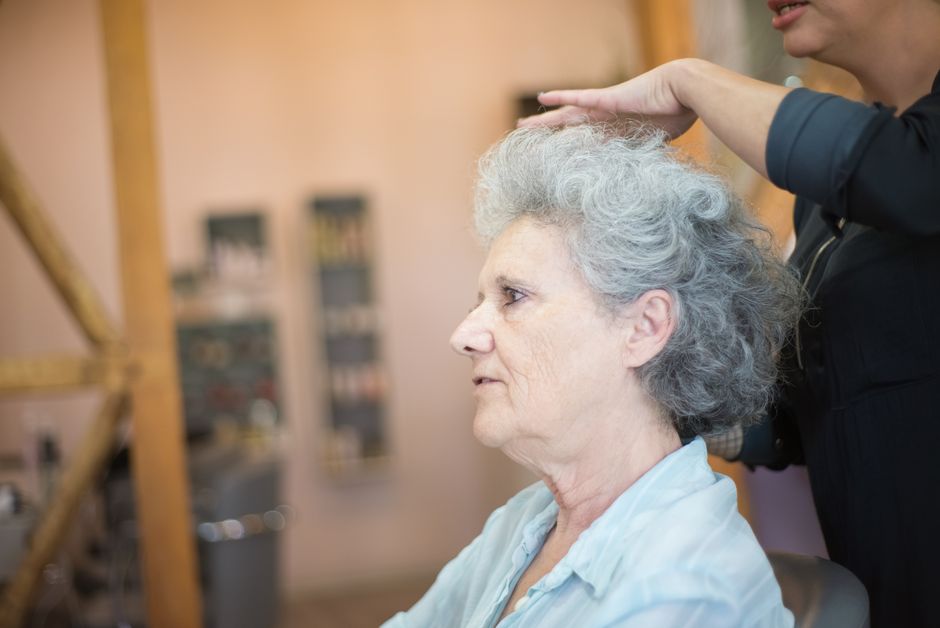
Going grey is one of the most visible signs of aging we have. It happens to almost everyone, yet few people know the actual biological reason behind it. The short answer is that your hair follicles stop producing melanin, the pigment that gives hair its color. This is a natural part of the hair growth cycle, but the timing and speed of it are influenced by your genetics, your age, and sometimes your health.
What Actually Causes Hair to Lose Its Color?
Every hair on your head grows from a follicle, a tiny sac in your skin. Inside that follicle are pigment-producing cells called melanocytes. These cells inject melanin into the hair shaft as it grows. Melanin comes in two main types: eumelanin, which makes hair brown or black, and pheomelanin, which makes hair red or blonde. The mix of these two pigments creates your natural hair color.
As you age, the melanocytes in your hair follicles gradually slow down and eventually stop working. They do not suddenly die off. Instead, they become less active over time. When the melanocytes stop producing pigment, the new hair that grows in is colorless. That colorless hair appears grey, white, or silver because it reflects light differently than pigmented hair does.
This process is not caused by stress or by pulling out a single grey hair. It is primarily a biological timeline that your body follows.
Why Does Grey Hair Happen at Different Ages?
The age at which you start going grey is largely determined by your genetics. If your parents went grey in their thirties, you are likely to follow a similar pattern. Research consistently shows that ethnicity also plays a role. People of European descent often notice grey hair in their mid-thirties. People of Asian descent typically start in their late thirties. People of African descent usually start in their mid-forties.
These are averages, not rules. Many people grey earlier or later than these ranges for no medical reason at all. Premature greying is generally defined as grey hair before age 20 in white people and before age 30 in Black people. If you grey early and have no other symptoms, it is usually just your genetic code at work.
Your hair does not turn grey overnight. The change happens over years as individual follicles lose pigment at different rates. That is why you get a mix of colored and grey hairs rather than a sudden uniform change.
Does Stress Really Turn Hair Grey?
The idea that stress turns hair grey is one of the oldest health myths. The evidence is more complicated than the myth suggests. Acute stress does not make your hair fall out white in a single night. That story has been told for centuries, but no biological mechanism supports it.
However, research does indicate a connection between chronic stress and greying. Studies on mice have shown that stress hormones can damage melanocyte stem cells in hair follicles. When those stem cells are damaged, the follicle loses its ability to produce pigment. Some research suggests the same mechanism may apply in humans, but the evidence is not conclusive.
There is also a reversible component that researchers are still studying. Some recent findings suggest that when stress is removed, hair can regain pigment in some cases. This is early research and has not been confirmed in large human trials. The honest position is that stress may contribute to greying over time, but it is not the primary cause. Your genetics and age matter far more.
Can Vitamin Deficiencies or Health Conditions Cause Grey Hair?
Yes, but these cases are less common than natural aging. Certain health conditions can speed up greying or cause it to happen prematurely. Vitamin B12 deficiency is one of the most well-documented causes. B12 is needed for healthy red blood cells and nerve function. When levels are low, it can affect melanin production. Pernicious anemia, an autoimmune condition that blocks B12 absorption, is also linked to premature greying.
Thyroid disorders, particularly hypothyroidism, have been associated with early greying. Autoimmune conditions that attack the skin, such as vitiligo and alopecia areata, can cause loss of pigment in affected areas. These conditions are diagnosable by a doctor and often have other symptoms beyond greying.
Nutritional deficiencies in copper, iron, and certain B vitamins have been suggested as contributors to greying. However, the evidence is limited. No large human trials have confirmed that taking these supplements restores hair color. If you have a confirmed deficiency, treating it is good for your overall health. But do not expect supplements to reverse grey hair if you are deficient for no reason or if your greying is genetic.
Can You Reverse Grey Hair Once It Starts?
For the vast majority of people, no. Grey hair caused by aging and genetics is permanent. Once the melanocytes in a follicle stop producing pigment, they generally do not restart. There is no clinically proven treatment that restores natural color to fully grey hair.
Some research has looked at medications used for other conditions that might affect pigmentation. These studies are small and inconclusive. No medication is approved for reversing grey hair. The evidence here is genuinely limited, and any product claiming to reverse grey hair should be viewed with skepticism.
Some people report that their hair color returns after treating a medical condition like a thyroid disorder or a B12 deficiency. This can happen in specific cases where the deficiency was the cause of the greying. It is not a general solution for age-related greying.
The only reliable way to change grey hair color is with hair dye. This is a cosmetic choice, not a medical treatment. If you choose to dye your hair, follow the product instructions carefully and consider patch testing to check for allergic reactions.
Is It True That Plucking One Grey Hair Makes More Grow?
No. This is a myth with no biological basis. Plucking a grey hair removes that single hair from its follicle. It does not affect the other follicles around it. You cannot spread greying by plucking.
Plucking can, however, damage the follicle. Repeated plucking can lead to infection, scarring, or even permanent hair loss in that spot. If you want to remove a grey hair, cutting it close to the scalp is a safer option than pulling it out. The grey hair will grow back, but it will not cause new grey hairs to appear.
Does Smoking or Diet Affect When You Go Grey?
Smoking has been linked to earlier greying in several observational studies. The exact mechanism is not fully understood, but smoking is known to cause oxidative stress throughout the body. Oxidative stress damages cells, including the melanocytes in hair follicles. Some research suggests this damage accelerates the greying process.
Diet plays a smaller role than many people believe. A balanced diet supports healthy hair growth, but no specific food or supplement has been proven to delay greying. Antioxidant-rich foods are good for your overall health, and it is reasonable to assume they support healthy cell function. But there is no clinical evidence that any particular diet prevents or reverses grey hair.
The most honest answer is that your lifestyle choices matter less than your genetics. You can eat perfectly, never smoke, and still go grey at the same age your parents did. This is normal and not a sign of poor health.
When Should You See a Doctor About Grey Hair?
Most greying requires no medical attention. It is a normal part of aging. However, sudden or patchy greying can sometimes signal an underlying condition.
See a doctor if you notice grey hair appearing very rapidly over a short period, if you have bald patches with grey or white hair, or if greying comes with other symptoms like fatigue, weakness, or unexplained weight changes. These could point to a thyroid issue, an autoimmune condition, or a nutritional deficiency.
A simple blood test can check your thyroid function, vitamin B12 levels, and other markers. If a deficiency or condition is found, treating it may slow or stop further greying. If no condition is found, your greying is almost certainly genetic. In that case, no medical intervention is needed or available.
Frequently Asked Questions
Can grey hair turn back to its original color?
In most cases, no. Age-related greying is permanent because the pigment-producing cells in the follicle have stopped working. In rare cases of greying caused by a treatable medical condition, color may return after the condition is managed.
At what age does grey hair normally start?
It varies by ethnicity and genetics, but most white people notice grey hair in their mid-thirties, Asian people in their late thirties, and Black people in their mid-forties. Starting earlier than these ranges is considered premature greying.
Does stress cause grey hair?
Chronic stress may contribute to greying by damaging pigment-producing cells, but it is not the primary cause. Genetics and age are far stronger factors, and the evidence that stress alone turns hair grey in humans is not conclusive.
Can vitamins or supplements stop grey hair?
No evidence confirms that supplements prevent or reverse grey hair in people without a diagnosed deficiency. If you have a confirmed B12 or iron deficiency, treating it is important for your health, but it will not reverse genetic greying.
