
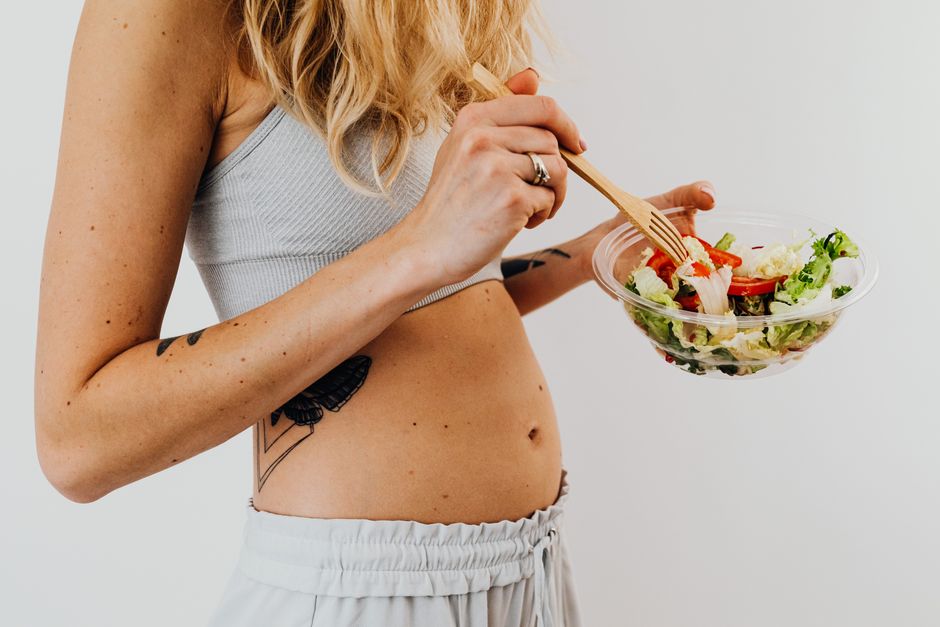
Period bloating is caused by normal hormone shifts, not by something you did wrong. In the days before a period, levels of the hormones estrogen and progesterone change in ways that make the body hold on to more water and salt. Progesterone also slows the movement of the digestive tract, so gas and stool pass more slowly. The result is a swollen, tight, heavy feeling in the belly that usually fades within a few days after bleeding starts.
Most people notice it in the second half of the menstrual cycle, after ovulation and before the period begins. It is very common and it is temporary. Understanding what is actually happening makes it easier to know what might help and what is just marketing.
Why Do Females Bloat on Their Period?
The bloating is driven by hormones, and the two main players are estrogen and progesterone. Both rise and fall in a predictable pattern across the menstrual cycle.
After ovulation, progesterone rises. Progesterone relaxes smooth muscle, including the muscle in the walls of the intestines. When those muscles move more slowly, digestion slows with them. Gas builds up. Stool moves along more sluggishly. Many people also notice constipation in this phase, which adds to the full, heavy feeling.
At the same time, hormones influence how the kidneys handle sodium and water. Shifts in estrogen and progesterone, along with other hormones involved in the cycle, can cause the body to retain more sodium and, with it, more water. That fluid can collect in the abdomen and elsewhere. Some people notice puffiness in the fingers, ankles, or breasts along with the belly bloat.
One point worth clearing up: period bloating is not the same thing as premenstrual syndrome, though the two overlap. Bloating is one possible symptom of PMS. PMS is a broader pattern that can include mood changes, breast tenderness, headaches, and fatigue. Bloating can also happen without PMS at all.
When Does Period Bloating Usually Start and Stop?
For most people, bloating begins in the days after ovulation and builds in the week before the period. It often peaks right before bleeding starts.
Once the period begins, hormone levels fall quickly. The water retention tends to ease and the digestive slowdown reverses. Many people feel noticeably less bloated within the first few days of their period, though the exact timing varies from person to person and from cycle to cycle.
The pattern is not identical for everyone. Some people barely notice bloating. Others feel it strongly every cycle. Both can be normal. What matters more is whether the pattern is consistent with your own cycles or has changed in a way that concerns you.
What Makes Period Bloating Worse?
Several everyday factors can make the normal hormonal bloat feel more intense. None of these are the root cause, but they can add to it.
- High-salt foods. Sodium encourages the body to hold water. Salty meals in the premenstrual week can worsen the heavy feeling.
- Constipation. Since the digestive tract is already slower, anything that adds to constipation makes bloating more uncomfortable.
- Carbonated drinks and gas-producing foods. These can add to the gas that is already building because of slower digestion.
- Large, heavy meals. A slower gut handles big meals less comfortably than smaller ones.
- Stress and poor sleep. Both can affect digestion and how symptoms feel, though the link to bloating specifically is not well measured.
Cutting salt and staying hydrated may reduce the water-retention part of bloating. Drinking enough water sounds backwards when you feel puffy, but the body tends to hold onto fluid when it senses it is not getting enough. The evidence that drinking more water directly reduces menstrual bloating is limited, so treat it as reasonable general advice rather than a proven fix.
Does Period Bloating Mean Something Is Wrong?
In most cases, no. Cyclical bloating that follows a predictable pattern and eases after the period starts is a normal part of the menstrual cycle.
There are times when bloating deserves a medical conversation. Bloating that is new, persistent, or not tied to the cycle is different from cyclical bloating and should be checked. So should bloating that comes with severe pain, a major change in bowel habits that lasts, unexplained weight loss, or a feeling of fullness that does not go away.
Some conditions can cause bloating that people mistake for period bloating. These include irritable bowel syndrome, which often involves bloating and changes in bowel habits, and endometriosis, a condition where tissue similar to the uterine lining grows outside the uterus. Endometriosis is associated with pelvic pain, and some people with it report bloating, but bloating alone is not a reliable sign of it. If bloating is severe, unusual for you, or paired with pain, it is worth raising with a clinician rather than assuming it is hormonal.
What Actually Helps With Period Bloating?
The evidence for specific remedies is uneven. Some approaches have reasonable support, others are widely tried but not well studied, and some are mostly marketing.
What has some support:
- Reducing salt in the premenstrual week may ease water retention, based on how sodium affects fluid balance.
- Regular movement such as walking can help move gas through the gut and support normal digestion. The effect on bloating specifically is modest but the general benefits are well established.
- Treating constipation if you have it, since a backed-up gut worsens bloating. Fiber and fluids help, but increase fiber gradually to avoid extra gas at first.
- Some hormonal contraceptives can reduce cyclical symptoms for some people by changing the hormone pattern. This is a decision to make with a clinician, not a universal fix.
What is commonly tried but not well proven:
Many supplements marketed for premenstrual bloating, including certain herbal products and diuretics sold as “water pills,” have limited or no high-quality human evidence behind them. Diuretics in particular can cause problems with fluid and electrolyte balance and should not be used for routine period bloating without medical guidance. Some clinicians recommend them in specific situations, but that is not the same as a proven over-the-counter solution.
No large human trials have confirmed that most “bloat support” supplements work. If a product promises to “balance hormones” or “detox,” that is a claim without established evidence behind it.
How Is Period Bloating Different From Other Kinds of Bloating?
The key difference is timing. Period bloating follows the menstrual cycle and tends to resolve on its own after bleeding begins.
Other kinds of bloating do not follow that pattern. Bloating from irritable bowel syndrome often relates to meals, stress, or bowel habits rather than the cycle. Bloating from food intolerance tends to appear after specific foods. Persistent bloating that does not come and go with your cycle is a different question and deserves its own evaluation.
Tracking your symptoms for a couple of cycles can help you and a clinician see the pattern clearly. Note when bloating starts, when it eases, and what else is happening at the same time. That record is often more useful than any single symptom in isolation.
Is Period Bloating Preventable?
You cannot prevent the hormonal shifts that drive it, so some bloating is expected. What you can do is reduce how uncomfortable it feels.
Limiting salty foods in the premenstrual week, staying active, managing constipation, and eating smaller meals when your gut feels slow are reasonable steps. They will not eliminate bloating, but they can take the edge off. If symptoms are severe enough to disrupt your life each month, that is a reason to talk to a clinician about options rather than to keep pushing through.
Frequently Asked Questions
How long does period bloating last?
It usually builds in the week before the period and eases within the first few days after bleeding starts. The exact timing varies from person to person and cycle to cycle.
Is period bloating a sign of pregnancy?
Bloating can happen in early pregnancy, but on its own it is not a reliable sign. If you might be pregnant, a pregnancy test is the way to know.
Does drinking water help with period bloating?
Staying hydrated is reasonable general advice, and the body can hold more fluid when it is short on water. The evidence that drinking more water directly reduces menstrual bloating is limited.
When should I worry about period bloating?
Get it checked if bloating is new, persistent, not tied to your cycle, or comes with severe pain, lasting bowel changes, or unexplained weight loss. Cyclical bloating that eases after your period is usually normal.
