
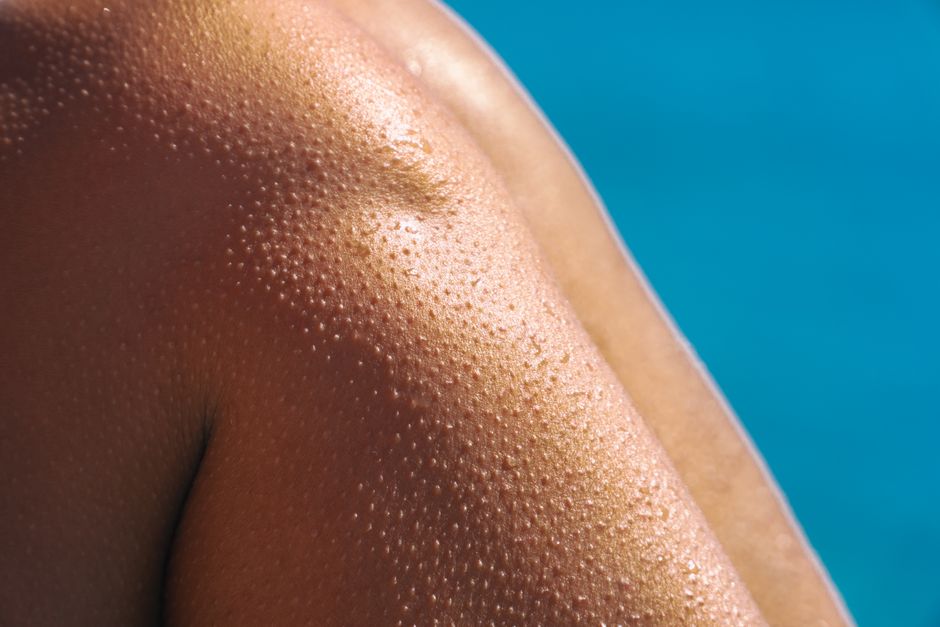
Bumps hurt because your body has nerve endings packed into every layer of skin and tissue. When a bump forms from an injury, infection, or growth, it pushes against these nerves and stretches the surrounding tissue. The pressure triggers pain signals straight to your brain. Inflammation also releases chemicals that make those nerves more sensitive. So the bump itself and your body’s reaction to it both cause the pain.
Why Do Bumps Hurt More at Night?
Many people notice bumps hurt worse when they try to sleep. This is not in your head. Your body’s natural cortisol levels drop at night. Cortisol is your main anti-inflammatory hormone. Lower levels mean less natural pain control.
Your brain also has fewer distractions at night. During the day you move around, work, and talk to people. Your brain filters out some pain signals. In a quiet dark room your brain focuses more on the sensation. The same bump that felt like a dull ache at noon can feel sharp and throbbing at midnight.
Blood flow changes when you lie down too. Lying flat increases blood pressure in your head and neck. If your bump is in those areas the extra pressure can make it hurt more. Propping yourself up with an extra pillow sometimes helps.
What Types of Bumps Hurt the Most?
Not all bumps are the same. Some barely hurt. Others make you wince when you touch them. The difference comes down to what is inside the bump and where it sits on your body.
Bumps that form under tight skin hurt more. Your fingertips, scalp, and face have less room for swelling. A small bump on your forehead can hurt more than a larger bump on your thigh. The skin stretches less in some places.
Bumps filled with pus or fluid also hurt more. An infected cyst or a boil puts pressure on nerves from the inside. The infection adds heat and redness which makes nerve endings even more sensitive. Research published in the Journal of Pain found that inflamed tissue lowers your pain threshold by up to 30 percent in the affected area.
Hard bumps hurt differently than soft ones. A hard lump like a bone spur or calcified cyst presses on nerves directly. A soft bump like a fatty lipoma usually does not hurt unless it grows large enough to push against something else.
| Bump Type | Common Cause | Pain Level |
|---|---|---|
| Infected cyst | Bacteria trapped under skin | High |
| Lipoma | Fatty growth | Low to none |
| Bone spur | Calcium growth on bone | Moderate to high |
| Bruise | Blood under skin from injury | Low to moderate |
| Boil | Infected hair follicle | High |
| Ganglion cyst | Fluid from joint or tendon | Low unless pressing nerve |
When Should You Worry About a Painful Bump?
Most painful bumps are harmless and go away on their own. But some signs mean you should see a doctor. The American Academy of Dermatology says to get checked if a bump grows quickly, feels rock hard, or does not move when you push on it.
Pain that wakes you up at night is another red flag. So is a bump that bleeds, oozes, or changes color. If the skin over the bump turns dark red or black that can mean tissue damage underneath.
Fever with a painful bump usually means infection. The CDC reports that skin infections cause over 14 million doctor visits each year in the US. If the area around the bump feels hot and you have a temperature above 100.4°F do not wait. See a doctor the same day.
Bumps in certain locations deserve more attention. A painful lump in your armpit, groin, or neck could mean a swollen lymph node fighting an infection. Most lymph node bumps shrink within two weeks. If yours stays longer or keeps growing let a doctor look at it.
One more thing to watch for: multiple bumps appearing at once. A single bump is usually nothing. Several new bumps in different places could signal something systemic. Your doctor can run simple blood tests to check.





What Actually Helps a Painful Bump?
For a simple bump from an injury, ice works best. Apply it for 15 minutes on and 15 minutes off. Ice numbs the area and reduces swelling. Do not put ice directly on skin. Wrap it in a thin towel first.
Warm compresses help bumps that are infected. Heat draws blood to the area and helps the body fight bacteria. It also softens the skin so pus can drain naturally. Use a warm washcloth for 10 minutes three times a day. Never try to pop or cut an infected bump yourself. That pushes bacteria deeper and makes things worse.
Over-the-counter pain relievers can help too. Ibuprofen (Advil, Motrin) reduces inflammation at the source. Acetaminophen (Tylenol) blocks pain signals in the brain but does not lower swelling. Choose based on what bothers you more — the pain or the puffiness.
Elevation works for bumps on your arms or legs. Prop the area above heart level. Gravity helps fluid drain away from the bump. This is especially useful for bumps from sprains or strains.
If the bump is a cyst or lipoma that keeps hurting, a doctor can remove it. This is a minor procedure done in the office. The area gets numbed. The bump gets cut out. Most people go back to normal activities the same day.
Why Do Bumps Hurt Even After They Heal?
Sometimes the bump goes away but the pain stays. This happens because nerves take longer to heal than skin does. A study in the journal Pain Medicine found that nerve recovery can take six to twelve months after soft tissue injury.
Scar tissue can also trap nerves. When your body repairs damaged tissue it sometimes lays down collagen in a disorganized way. This scar tissue can pinch nearby nerves. The result is a sharp pain when you press on the area even though the original bump is gone.
Some people develop something called allodynia. That is a fancy word for skin that hurts from things that should not hurt. A light touch feels painful. A shirt brushing against the area makes you flinch. Allodynia happens when your nerves become overly sensitive after an injury. It usually fades with time but can last months.
If a healed area still hurts after three months talk to a doctor. Physical therapy sometimes helps retrain the nerves. Desensitization exercises — gently rubbing different textures on the skin — can also reduce the sensitivity over time.
Common Misconceptions About Painful Bumps
One myth is that you should massage a painful bump to break it up. Do not do this. Massaging an infected bump can spread bacteria into your bloodstream. Massaging a cyst can rupture it and cause severe inflammation. Leave it alone unless a doctor tells you otherwise.
Another myth is that all hard lumps are cancer. Most hard lumps are benign. A 2022 study in JAMA Dermatology looked at over 2,000 skin lumps removed in clinics. Only 4 percent were cancerous. Hardness alone is not a reliable sign. The shape, growth rate, and whether it moves matter more.
Some people think that if a bump does not hurt it is safe to ignore. Painless bumps can still be serious. Some melanomas — the deadliest skin cancer — do not hurt at all. Any new bump that lasts more than a few weeks deserves a look regardless of pain level.
There is also a widespread belief that popping a bump makes it heal faster. This is false for almost every type of bump. Popping introduces bacteria from your fingers and the air. It damages the skin barrier. It often turns a small problem into a bigger infection. Let your body handle it or let a doctor handle it.
Frequently Asked Questions
Why do bumps hurt when you press on them?
Pressing on a bump increases the pressure on nerve endings in that area. Your nerves send stronger pain signals when more force is applied.
Can a painful bump be nothing serious?
Yes, most painful bumps are harmless and come from minor injuries, clogged glands, or small infections. The pain alone does not mean something dangerous is happening.
How long should a painful bump last before seeing a doctor?
See a doctor if the bump lasts more than two weeks, grows quickly, or comes with fever, redness, or drainage. Pain that gets worse over time also needs evaluation.
Does ice or heat work better for a painful bump?
Ice works better for bumps from injury because it reduces swelling and numbs the area. Heat works better for infected bumps because it helps drain pus and fights bacteria.
