
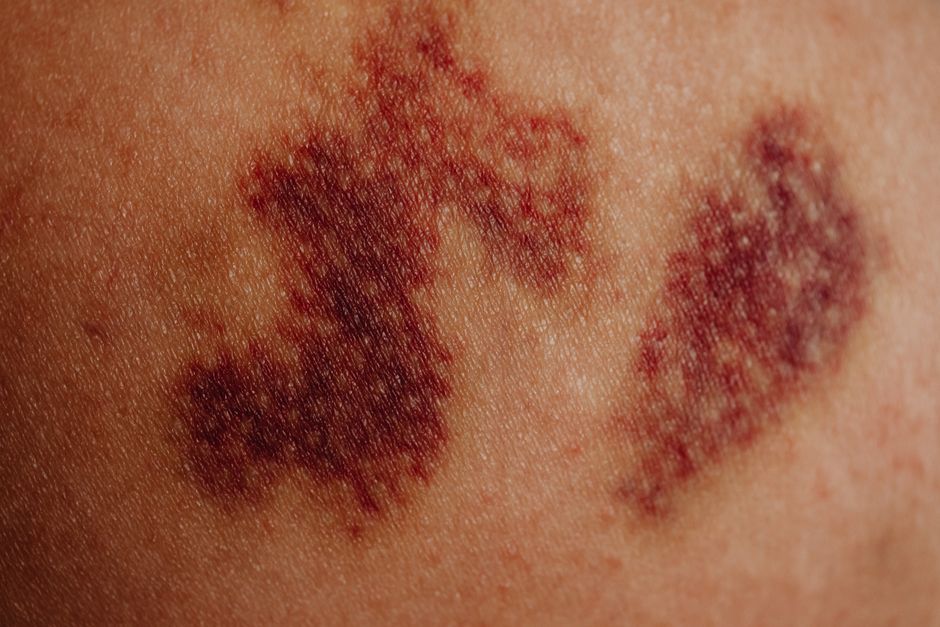
Bruises itch as they heal because of histamine. As your body breaks down trapped blood and repairs damaged tissue, immune cells release this chemical, which triggers itch signals in nearby nerve endings. The itch is usually a normal sign of healing, and most bruises fade on their own within about two weeks.
That short answer covers most cases. But the timing, intensity, and location of the itch can tell you whether you are seeing ordinary healing or something that needs a closer look. This guide explains the mechanism, what you can safely do about it, and when an itchy bruise deserves medical attention.
Why Do Bruises Itch As They Heal?
The itch comes from the cleanup process your body runs after an injury.
A bruise is bleeding under the skin. Small blood vessels break, and blood leaks into the tissue. Your body then has to clear that blood away and repair the damage. That work involves immune cells, and those cells release histamine and other signaling molecules.
Histamine does two things relevant here. It increases blood flow to the area, which helps healing. It also binds to nerve endings in the skin and makes them fire. Your brain reads that firing as itch. This is the same basic mechanism behind mosquito bite itching, though the cause is different.
There is a second contributor. As swelling goes down and skin stretches back into place, the surface can feel dry and tight. Mild itch often follows. New skin forming over a healing area can also itch, which is common in wounds and likely applies to bruising to some degree, though the evidence specific to bruises is thin.
Why the itch often peaks mid-healing
Early on, the area may be tender or painful rather than itchy. Pain and itch travel different nerve pathways, and pain tends to dominate in the first day or two. As inflammation settles and cleanup ramps up, the balance shifts. That is why many people notice itching a few days in, when the bruise is turning green or yellow.
What the Color Changes Mean
Bruise color tracks the breakdown of hemoglobin, the oxygen-carrying protein in red blood cells. This sequence is well established.
- Red or purple, first day or two: fresh blood under the skin.
- Blue or dark purple: oxygen leaving the trapped blood.
- Green: hemoglobin breaking down into biliverdin.
- Yellow or brown: further breakdown into bilirubin, then iron-containing compounds.
These stages overlap, and the timeline varies by person and by bruise size. A large bruise on a leg can take longer than a small one on an arm.
Is an Itchy Bruise a Good Sign?
Usually yes. Itch during healing generally means the repair process is active. Most itchy bruises are not a cause for concern.
But itch alone does not confirm that healing is on track. It is one signal among several. A bruise that is shrinking, changing color on a normal schedule, and becoming less tender is behaving as expected. Itch on top of that picture is reassuring.
Itch on a bruise that is getting bigger, harder, or more painful is a different story. That combination points away from normal healing and toward something that should be checked.





How Do You Stop a Bruise From Itching?
Most home measures aim to calm the skin and reduce irritation. None of them speed healing in a proven way. They make the wait more comfortable.
Cold packs in the first day or two. Cold reduces blood flow and swelling. Apply a cold pack wrapped in cloth for short periods, never directly on bare skin. This is standard first aid for minor injuries.
Moisturizer. Dry, tight skin itches more. A plain, fragrance-free moisturizer can reduce surface irritation. This is comfort care, not treatment of the bruise itself.
Don’t scratch. Scratching damages skin and can introduce infection, especially if the surface is already broken. Pressing or tapping the area, or applying cool cloth, is safer than scratching.
Over-the-counter anti-itch creams. Hydrocortisone and similar products are widely sold for itchy skin. Whether they help a bruise itch specifically has not been studied well. Some clinicians suggest them for short-term relief; the evidence for this exact use is limited.
Avoid heat early on. Heat increases blood flow and can make swelling and bruising worse in the first day or two. Warm compresses are sometimes suggested later in healing, but the evidence for benefit is not strong.
What about anti-itch medications by mouth?
Antihistamines are used for allergic itching. Bruise itch is not primarily an allergic process, so antihistamines are unlikely to help much. No good evidence supports their routine use for this. Talk to a pharmacist or clinician before using any medication for a symptom like this, especially if you take other drugs or have health conditions.
What Makes Bruises Happen More Easily?
Some people bruise more than others, and that affects how often you deal with itchy healing bruises.
Age is a major factor. Skin and blood vessels thin with age, and the cushioning layer of fat under the skin shrinks. Both make bruising easier.
Medications matter. Blood thinners, including aspirin and anticoagulants, increase bruising. So can some antidepressants and corticosteroids. If you bruise much more than usual after starting a medication, that is worth raising with your prescriber.
Nutritional status can play a role. Severe vitamin C deficiency causes easy bruising, but this is rare in people eating a varied diet. Mild deficiency causing noticeable bruising is not well established.
Some people simply bruise easily with no underlying problem. A family pattern of easy bruising is common and usually not concerning on its own.
When Should You See a Doctor About a Bruise?
Most bruises need no medical care. Some patterns do warrant a check.
- Bruises that appear without any injury or bump.
- Bruises that keep growing or become hard and very painful.
- Bruising along with bleeding gums, nosebleeds that are hard to stop, or blood in stool or urine.
- Bruises that have not faded after about two weeks, or that remain large and dark.
- Signs of infection: spreading redness, warmth, pus, fever, or worsening pain.
- A bruise that is extremely itchy, spreading, or accompanied by a rash.
These signs do not mean something serious is present. They mean a clinician should look. Easy bruising can have many causes, and a physical exam plus basic blood tests usually sorts out whether anything needs attention.
One practical note: a bruise that feels hard and swollen weeks later may be a collection of blood called a hematoma. These sometimes need drainage. That is a clinical decision, not something to manage at home.
Can You Prevent the Itch?
Not reliably. The itch comes from the healing process itself, and there is no proven way to switch that off.
What you can do is reduce the chance of a bruise getting worse and keep the skin comfortable. Protect the area from further bumps. Keep skin moisturized. Avoid scratching. These steps lower irritation but do not stop histamine release.
If you bruise often, the more useful question is why. Reviewing medications with a clinician and mentioning frequent bruising at checkups is reasonable. Preventing bruises in the first place is more achievable than preventing the itch that follows.
The Bottom Line
An itchy bruise is usually a sign that your body is cleaning up and repairing tissue. Histamine from immune cells is the main driver, and the itch often shows up mid-healing as pain fades.
Comfort measures like cold packs early on, moisturizer, and not scratching can help you ride it out. The bruise should fade within about two weeks. If it does not, or if it comes with other warning signs, get it checked. Itch by itself is rarely the problem. The pattern around it is what matters.
Frequently Asked Questions
Why do bruises itch when they heal?
Immune cells clearing trapped blood release histamine, which triggers itch signals in skin nerves. The itch is a side effect of the normal repair process.
How long does an itchy bruise last?
Most bruises fade within about two weeks, and the itch usually settles as the bruise does. Larger bruises or ones on the legs can take longer.
Is it bad if a bruise itches a lot?
Intense itch is not automatically a problem, but itch with spreading redness, warmth, swelling, or a rash should be checked. Those signs point to something other than routine healing.
Should I put hydrocortisone on an itchy bruise?
Some clinicians suggest short-term hydrocortisone for itchy skin, but it has not been well studied for bruise itch specifically. Plain moisturizer and avoiding scratching are safer first steps.
