
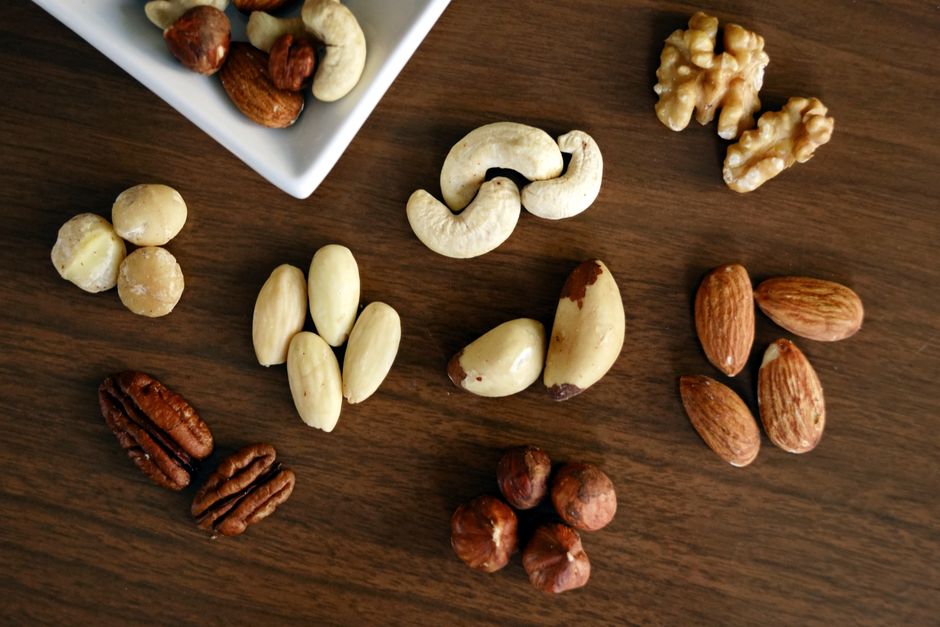
Brazil nuts have a flavor that is hard to mistake. Some people describe it as earthy, while others say it tastes like dirt, rancid oil, or even mold. The truth is that all three descriptions can be accurate, but they point to very different things. A fresh Brazil nut naturally contains compounds that taste earthy and mineral-like. But rancidity and mold are signs of spoilage, and they come with real health concerns. Knowing the difference between a naturally earthy nut and a spoiled one matters for both taste and safety.
Why Do Brazil Nuts Taste Like Dirt Rancidity Or Mold?
Brazil nuts naturally taste earthy because of their high oil content and the minerals they absorb from the soil in the Amazon rainforest. The flavor is not a defect. But rancidity happens when those same oils oxidize after exposure to air, light, or heat. Mold is a separate issue caused by fungal growth, usually from moisture during storage. So the “dirt” taste is often natural, while rancid and moldy flavors signal spoilage.
The nut’s natural earthiness comes from selenium and other trace minerals. Brazil nuts grow on trees that pull minerals from the soil, and those minerals concentrate in the nut. This gives the nut a distinct mineral, almost metallic, undertone that some people genuinely dislike. If you have only ever tasted rancid Brazil nuts, you might assume the natural flavor is the spoiled flavor. It is not.
What Does Rancidity Actually Do To The Flavor?
Rancidity changes the chemical structure of the fats in the nut. Brazil nuts are roughly 65 to 70 percent fat by weight. Most of that fat is unsaturated, which means it is prone to oxidation. When unsaturated fats react with oxygen, they break down into smaller compounds called aldehydes and ketones. These compounds have sharp, bitter, and sometimes soapy flavors.
Your nose picks up these compounds at very low concentrations. That is why a rancid nut can taste and smell noticeably off even when the nut looks perfectly fine on the outside. The color may not change much until rancidity is advanced. By the time a nut tastes strongly bitter or smells like paint thinner or old cooking oil, the oxidation is well underway.
Rancid nuts are not toxic in the way that moldy nuts can be. Eating a few rancid nuts will not make you sick. But the flavor is unpleasant, and the nutritional quality of the fats declines as they oxidize. Some research suggests that regularly consuming oxidized fats contributes to oxidative stress in the body, though occasional exposure from a stale nut is not a major health concern.
How To Tell If The Taste Is Mold
Mold is a different problem entirely. Mold grows when nuts are stored in humid conditions. The fungus produces visible fuzzy patches in some cases, but not always. Mold can grow inside the nut without any obvious surface sign, especially if the nut was already cracked or damaged before packaging.
Moldy nuts often taste musty, sour, or distinctly like a damp basement. The flavor is different from rancidity. Rancidity tastes bitter and sharp. Mold tastes stale and damp. If you bite into a Brazil nut and the flavor reminds you of wet cardboard or old soil, mold is a real possibility.
Some molds produce mycotoxins. These are chemical compounds made by fungi that can be harmful to humans. The most studied mycotoxin in nuts is aflatoxin, produced by certain Aspergillus species. Aflatoxin is a known carcinogen, and regulatory agencies set strict limits on how much can be present in commercial nut products. Brazil nuts are tested in many countries because they are prone to aflatoxin contamination when grown or stored improperly.
Eating one moldy nut is very unlikely to cause immediate illness in a healthy adult. But regularly consuming moldy nuts increases your exposure to mycotoxins, and that is not advisable. If a nut tastes moldy, spit it out. Do not try to salvage the rest of the batch by washing or roasting them. Mycotoxins survive heat.





Why Do Brazil Nuts Spoil Faster Than Other Nuts?
Brazil nuts spoil faster than most nuts because of their fat profile and their natural moisture content. They contain a higher proportion of polyunsaturated fats than many other tree nuts. Polyunsaturated fats have more double bonds in their chemical structure, which gives oxygen more places to attack. This makes them oxidize more quickly than monounsaturated fats like those in macadamias or almonds.
Brazil nuts also have a relatively short shelf life compared to other nuts. Under ideal conditions — cool, dry, and dark — they can last several months. But in warm or humid conditions, the clock moves much faster. Heat accelerates oxidation. Moisture accelerates mold growth. Both can happen at the same time.
Shelled Brazil nuts spoil faster than unshelled ones. The shell acts as a barrier against oxygen and moisture. Once removed, the nut is exposed. If you buy shelled Brazil nuts, treat them like a perishable item. Store them in an airtight container in the refrigerator or freezer, and buy them from a source with good turnover.
Does The Selenium Content Affect The Taste?
Brazil nuts are famous for their selenium content. A single nut can contain more than the recommended daily allowance for an adult. Selenium is a mineral, and minerals have taste. The selenium in Brazil nuts contributes to the metallic, mineral-like flavor that some people describe as “dirt.”
This is not a sign of spoilage. It is a sign of the nut’s natural composition. Brazil nuts grow in soil that is rich in selenium, and the tree concentrates it in the seed. The selenium content varies by region and even by individual tree. This means the flavor intensity can vary from batch to batch.
The selenium content also means you should not eat large quantities of Brazil nuts regularly. Chronic selenium toxicity is a real condition. Symptoms include hair loss, nail brittleness, and in severe cases, neurological damage. The tolerable upper intake level for selenium in adults is 400 micrograms per day. One Brazil nut can contain anywhere from 68 to 91 micrograms, though levels vary widely. Eating a few nuts occasionally is fine. Eating a handful every day may push you toward the upper limit.
How To Store Brazil Nuts To Keep Them Fresh
Storage is the single most important factor in preventing both rancidity and mold. Heat, light, and oxygen drive rancidity. Moisture drives mold. Your storage strategy needs to address all four.
- Keep Brazil nuts in an airtight container.
- Store them in the refrigerator or freezer, not on the counter.
- Buy them in small quantities so they do not sit in your pantry for months.
- Check the sell-by date and buy from stores with high turnover.
- If you buy in bulk, portion them out and freeze what you will not eat within a few weeks.
Roasted Brazil nuts spoil faster than raw ones. The roasting process damages the cell structure of the nut, which makes the oils more accessible to oxygen. If you want maximum shelf life, buy raw and roast them yourself in small batches if you prefer the flavor.
Can You Salvage Rancid Or Moldy Brazil Nuts?
No. Once a nut is rancid, the oxidation cannot be reversed. The flavor will not improve with toasting, and masking it with other ingredients does not change the fact that the fats are degraded. If a batch tastes rancid, discard it.
Moldy nuts are a firmer no. Washing them does not remove mold that has penetrated the nut. Roasting may kill the mold itself, but it does not destroy mycotoxins. The safest choice is to throw away the entire batch. If you see mold on one nut in a bag, inspect the others closely. Mold spores spread easily, and the nuts may have been in contact with each other. When in doubt, discard the whole bag.
Some people try to salvage nuts by soaking or blanching them. This does not help. Neither does adding salt, spices, or baking them into recipes. The spoilage compounds remain.
Frequently Asked Questions
Is it safe to eat Brazil nuts that taste like dirt?
Yes, if the taste is earthy and mineral-like, it is the natural flavor of the nut. But if the taste is sharp, bitter, or musty, it may be rancid or moldy, and you should not eat it.
How long do Brazil nuts last before going bad?
Shelled Brazil nuts last about 3 to 6 months in the refrigerator and up to a year in the freezer. Unshelled nuts last longer, typically 6 to 12 months in a cool, dry place.
Can you eat Brazil nuts every day?
Eating one or two nuts occasionally is fine, but daily consumption can lead to excessive selenium intake. The upper limit for adults is 400 micrograms per day, and a single nut can contain a significant portion of that.
