
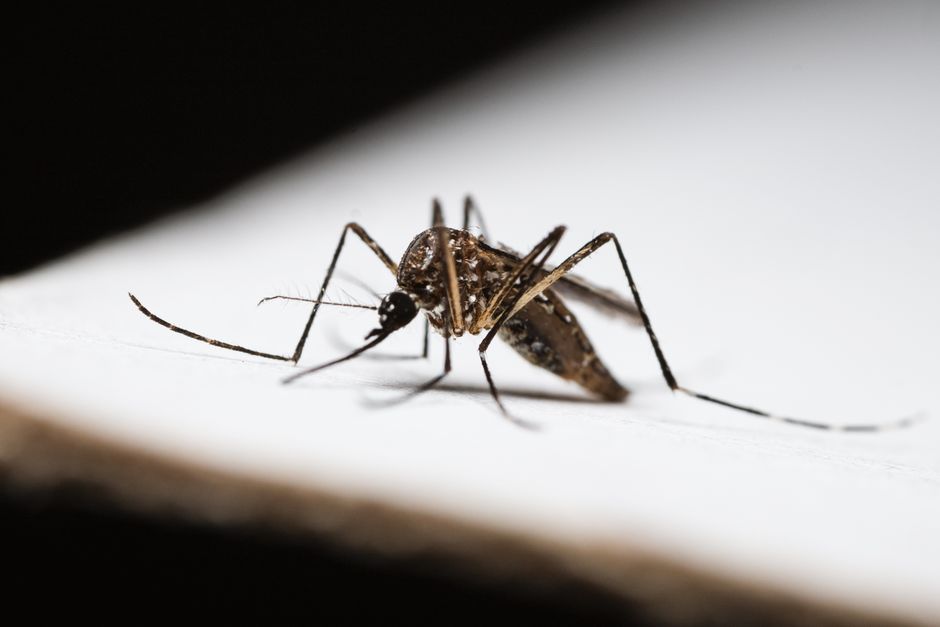
Bed bugs do not bite in threes. The “breakfast, lunch, and dinner” pattern you have heard about is a popular story, not a biological rule. Bed bugs feed roughly every five to ten days when a host is available, and a single bug may leave several bites in a line or cluster simply because it probes the skin more than once during one feeding. What looks like three deliberate bites is usually one insect moving a short distance between attempts to find a blood vessel.
That distinction matters. People count three bites, assume three bugs, and treat the wrong problem. The pattern is real enough to notice. The explanation behind it is different from the myth.
Why Do Bed Bugs Bite In Threes The Real Reason?
The real reason is anatomy and behavior, not a meal schedule. A bed bug feeds by inserting a slender mouthpart called a proboscis into the skin and searching for a small blood vessel. That search is not always successful on the first try. The bug may withdraw, walk a few millimeters, and probe again.
Each probe can leave a small puncture. Because the insect often moves in a fairly straight line while feeding, the marks can appear in a row. Three is a common count, but two, four, and five are just as normal. The number depends on how many attempts it took to find a vessel and how long the bug stayed.
There is a second reason bites cluster. Bed bugs tend to feed on exposed skin while you sleep, and they return to the same general area. The face, neck, arms, and hands are common sites because they are uncovered. A cluster on your forearm may reflect where your arm rested, not a planned pattern.
What the “breakfast, lunch, dinner” story gets wrong
The three-meal idea suggests a single bug bites at three separate times of night. There is no evidence for a timed feeding schedule like that. A bed bug typically takes one blood meal and then retreats to a hiding place to digest it. The feeding itself usually lasts several minutes.
The myth probably persists because three bites in a row is a striking thing to see. People look for a pattern, find one, and the tidy explanation spreads. It is a case of a memorable story outrunning a plainer biological fact.
Why Do Bed Bug Bites Sometimes Appear in a Line?
The line happens because of how the bug moves while feeding. It does not fly or hover. It walks across the skin, and its probing follows a path. When a probe fails, the insect shifts slightly and tries again nearby.
The result is a series of small red marks. Some people describe this as a “line” or “cluster.” Dermatologists sometimes call it the breakfast, lunch, dinner pattern, but that label describes the appearance, not the cause. The cause is repeated probing during a single feeding event.
How the bites look varies a lot between people. Some develop small red bumps. Others get larger welts or a raised rash. A few people show almost no reaction at all, which is one reason infestations can go unnoticed for a while.
Do Bed Bugs Always Bite Three Times?
No. There is no fixed number. Some people report single bites. Others report long lines of many marks. The count reflects how many times the bug probed and how your skin responded, not a built-in rule.
It is also worth separating two things people often blend together. The puncture is where the mouthpart entered. The reaction is your immune response to proteins in the bug’s saliva. A single puncture can produce a reaction that spreads, and a small reaction can make several punctures hard to tell apart.
This is why bite counting is a weak way to judge an infestation. The marks are an unreliable guide. Two people sleeping in the same bed can show very different reactions to the same bugs.
Does the Bite Pattern Tell You How Many Bed Bugs You Have?
No, and this is one of the most common mistakes. The number of bites does not reliably indicate the number of insects. A single bug can leave multiple marks. Several bugs can leave marks that overlap and look like one cluster.
Estimating an infestation from bites is guesswork. The more dependable signs are physical evidence of the insects themselves. Look for:
- Small rusty or reddish stains on sheets or mattress seams
- Dark spots about the size of a period, which are bed bug droppings
- Pale yellow skins shed as the bugs grow
- Tiny white eggs and eggshells tucked into crevices
- Live bugs, which are about the size and shape of an apple seed
These signs are far more useful than counting bites. A pest professional can confirm an infestation and identify where the bugs are hiding.
Why Do Bed Bugs Bite Some People and Not Others?
Bed bugs feed on anyone. They are not picky about blood type or cleanliness. What differs is how strongly each person’s skin reacts to the saliva.
Some people develop itchy welts within hours. Others notice nothing for days, and some never react at all. The immune response builds over repeated exposure, so a person’s reaction can change over time. Someone who has lived with an infestation for a while may react more strongly, or in some cases less.
This variation is why bed bugs are so often missed. A person with no visible reaction can carry an infestation into a home without knowing it. A person with strong reactions may be the first to raise the alarm.
What Should You Do If You Find Bites in a Row?
Treat the bites as a clue, not a diagnosis. Many skin conditions look similar, including flea bites, scabies, and allergic reactions. A row of three marks does not confirm bed bugs on its own.
Check your sleeping area for the physical signs listed above. If you find them, contact a licensed pest control professional. Bed bugs are difficult to eliminate without proper treatment, and do-it-yourself methods often fail.
For the bites themselves, washing the area with soap and water and resisting the urge to scratch is the usual advice. Scratching can break the skin and raise the risk of infection. Over-the-counter anti-itch creams are commonly used. If bites become infected, swollen, or you develop signs of an allergic reaction, see a healthcare provider.
One point worth being clear about: bed bugs are not known to transmit disease to humans. That is a genuine relief compared with other biting pests. The harm they cause is mostly the itching, lost sleep, and stress of an infestation, which should not be dismissed as trivial.
How Do You Prevent Bed Bugs From Spreading?
Prevention comes down to not bringing them home. Bed bugs travel on luggage, clothing, furniture, and secondhand items. They do not jump or fly, so they spread by hitching a ride.
When you travel, inspect the bed and headboard before unpacking. Keep luggage off the floor and away from the bed. After returning, wash and dry clothing on high heat, and check bags carefully.
Be cautious with used furniture and mattresses. Inspect seams, corners, and crevices before bringing anything inside. If you suspect an infestation, act promptly. Bed bugs multiply, and a small problem becomes a larger one over time.
There is no evidence that any repellent, essential oil, or home remedy reliably prevents bed bugs. Products marketed for this purpose have not been shown to work in studies. Physical inspection and professional treatment remain the dependable approaches.
Frequently Asked Questions
Why do bed bugs bite in threes?
They do not bite in threes by design. A bed bug often probes the skin several times during one feeding to find a blood vessel, and each probe can leave a mark, which is why bites sometimes appear in a row of about three.
Do bed bugs bite three times in one night?
No timed three-meal schedule exists. A bed bug usually takes one blood meal and then retreats, and multiple marks in a row come from repeated probing during that single feeding rather than three separate visits.
What do bed bug bites look like?
They often appear as small red bumps or welts, sometimes in a line or cluster, usually on exposed skin like the face, neck, arms, and hands. Reactions vary widely, and some people show no visible marks at all.
Can you tell how many bed bugs you have from bites?
No. Bite counts are an unreliable guide because one bug can leave several marks. Confirming an infestation depends on finding physical signs such as droppings, shed skins, eggs, or live bugs.
